Walking hand in hand with John Muir

It’s no secret that I love books. Reading is travelling in the mind. Diving into another world, or places that we haven’t yet had chance to explore.

Recently I’ve been lucky enough to have been working on a project about Darwin for the Field Studies Council. I thoroughly enjoyed learning about Darwin’s life, but was also surprised to discover that after his epic voyage on the Beagle he rarely travelled and stayed within his home for much of the rest of his life. (Mind you – five years at sea might have felt like enough travelling for one life time!)

Reading about Darwin inspired me to learn more about another naturalist, John Muir (1838 – 1914). Much less known in the UK John Muir started his life in Dunbar, Scotland. His Father was strict and John Muir had a harsh upbringing. To escape he often wandered into the hills and found solace in the natural world.

When John Muir was 11 his father moved the family to America to pursue a new life and the preach for the Disciples of Christ, a strict religious order. Muir left home at a young age of to pursue work for himself (he was a brilliant inventor and engineer), Muir also continued his pursuit of knowledge of botany and the natural world and in 1867 decided to walk 1000 miles to the Gulf of Mexico.

Muir often slept wild, meeting strange folk along the way as well as discovering for himself what we now know as some of the greatest national parks such as Yosemite.

Muir published eight books over his life time recording his findings and thoughts. He is now known as one of the greatest environmental philosophers and the person who first put forward the idea of National Parks.

Muir recognised our disconnect from nature and worked hard to protect the world and find balance. I love his words about life and death that reflect that humans are often divorced from the life cycle and the natural world. We often see death as a medical failing. There is much comfort in John Muir’s words which also make me more determined to appreciate each day that I have.

‘Let children walk with Nature, let them see the beautiful blendings and communions of death and life, their joyous inseparable unity, as taught in woods and meadows, plains and mountains and streams of our blessed star, and they will learn that death is stingless indeed, and as beautiful as life, and that the grave has no victory, for it never fights. All is divine harmony.’ John Muir
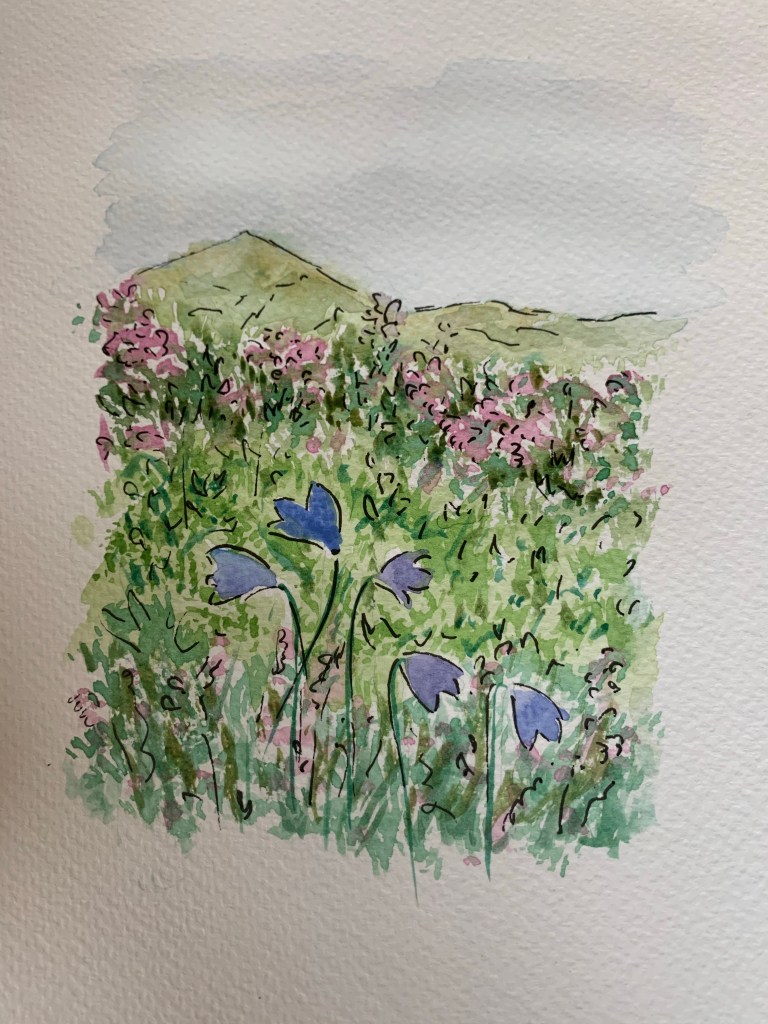
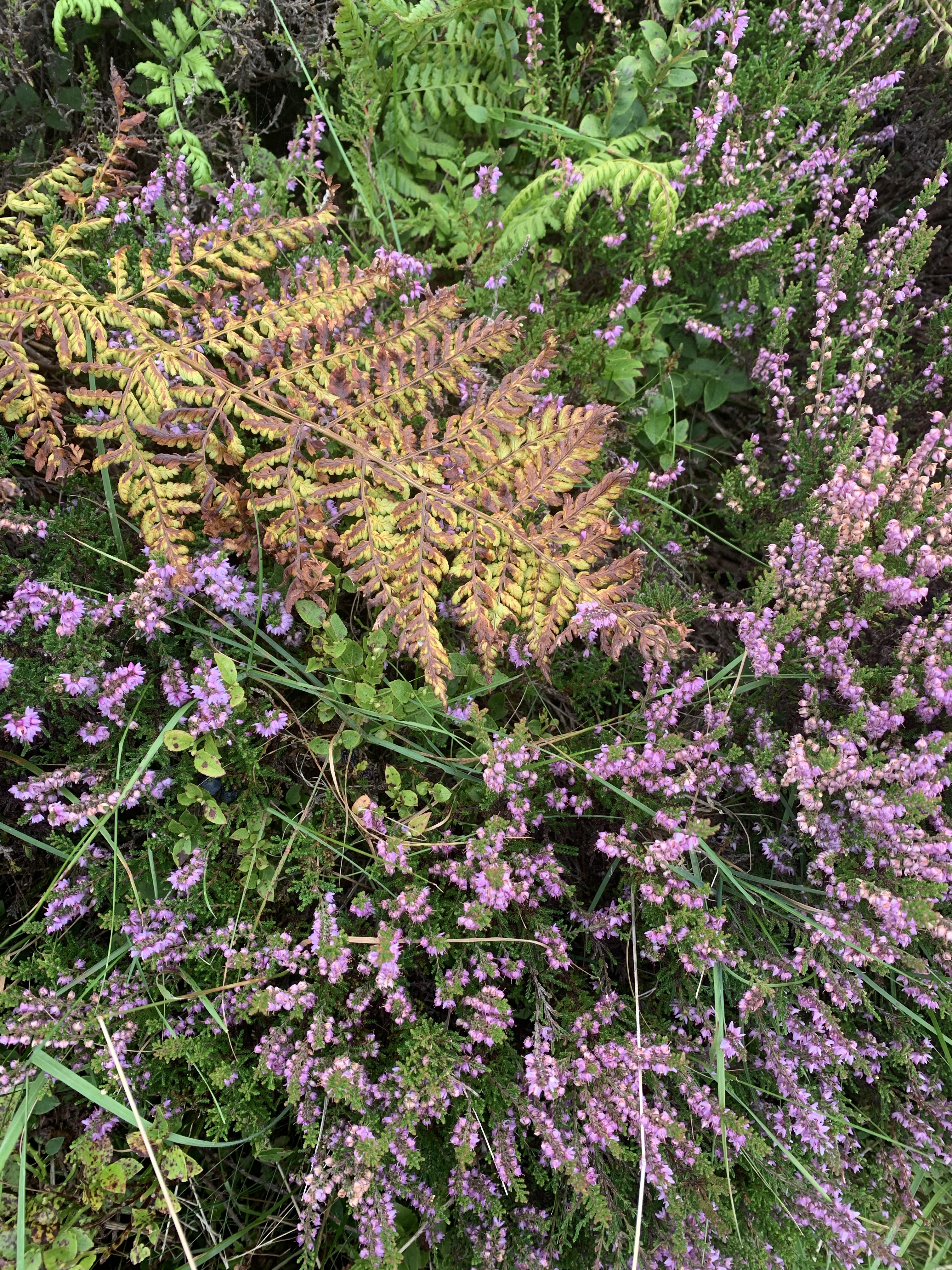
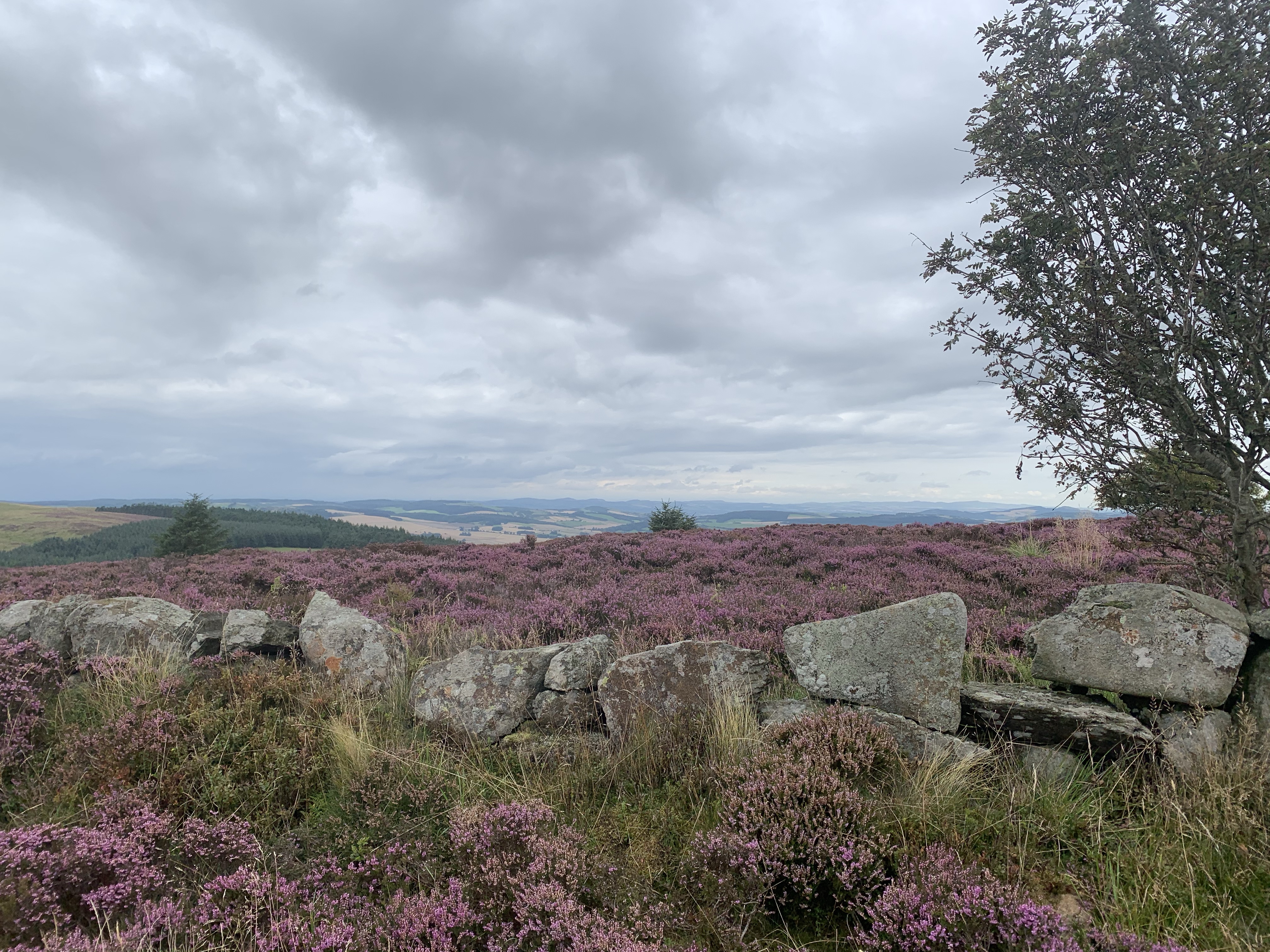
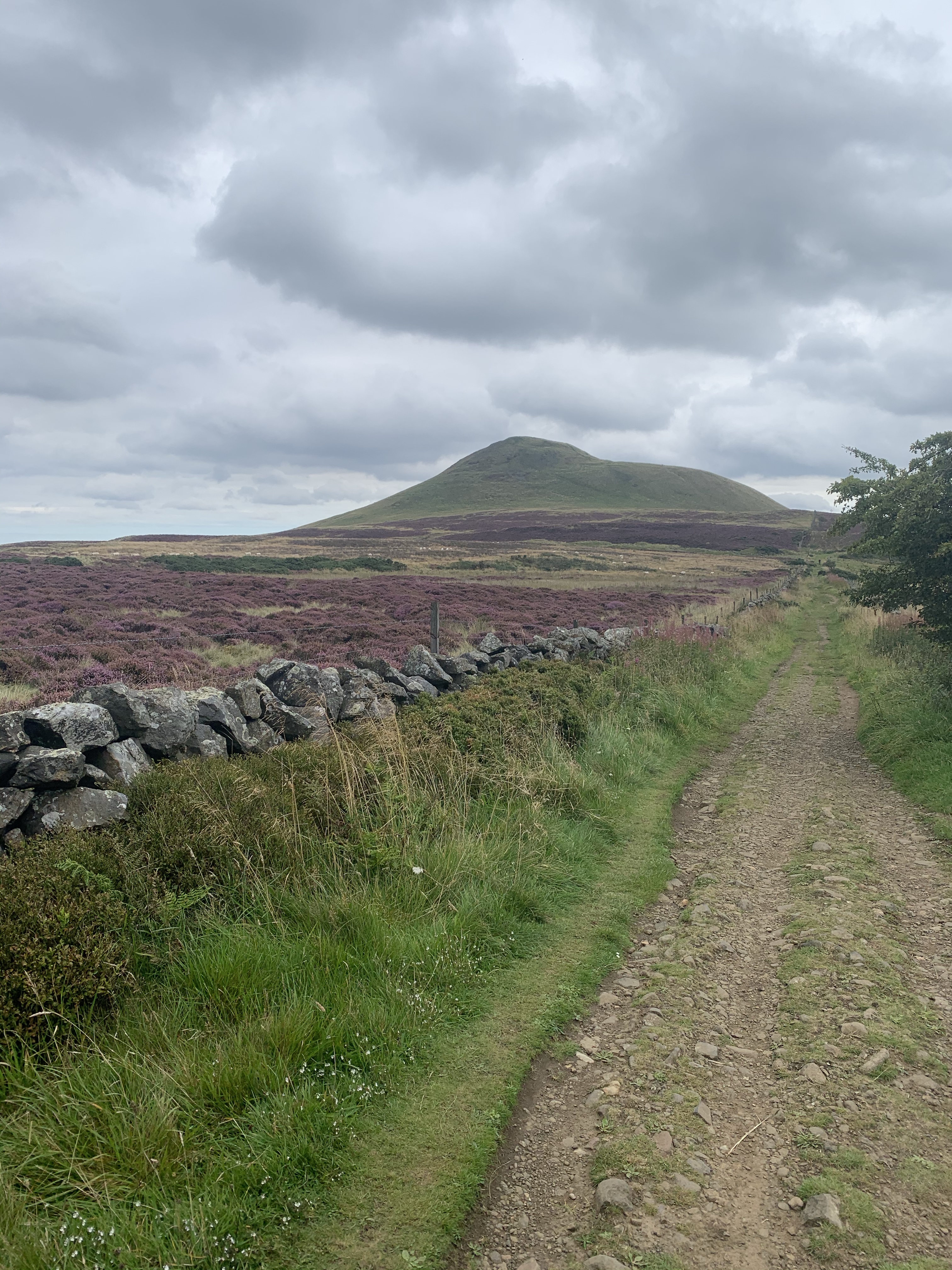
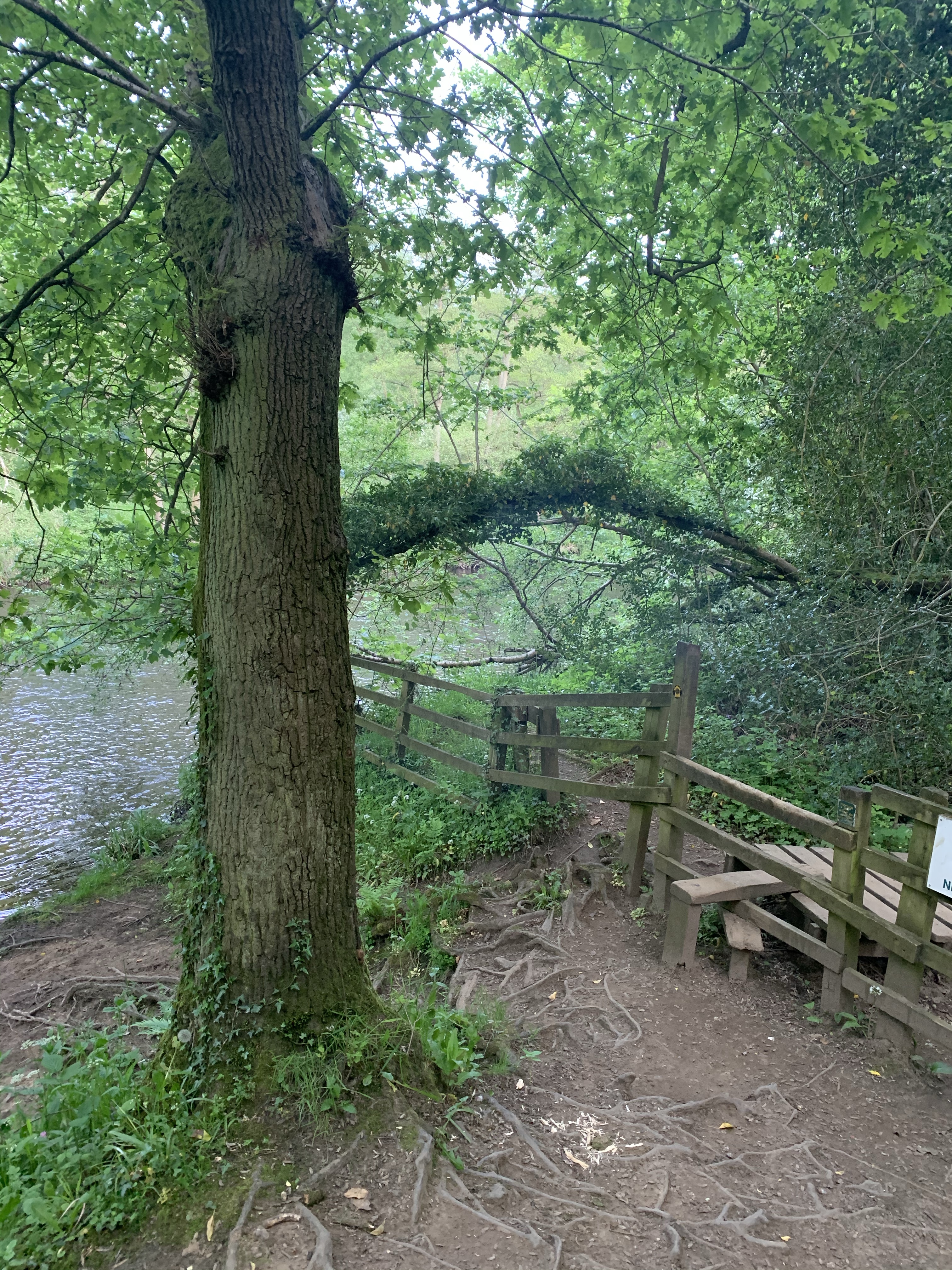
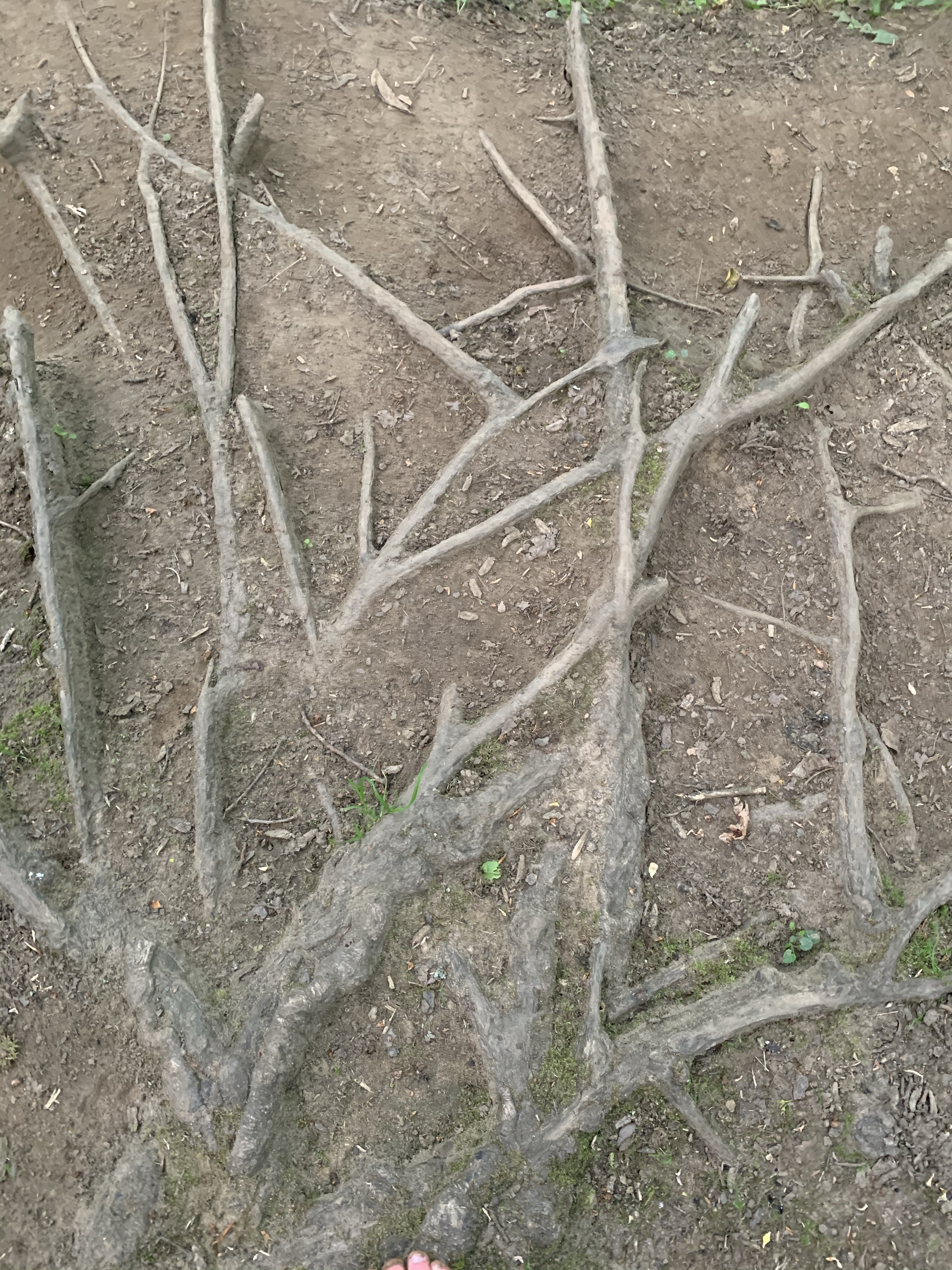
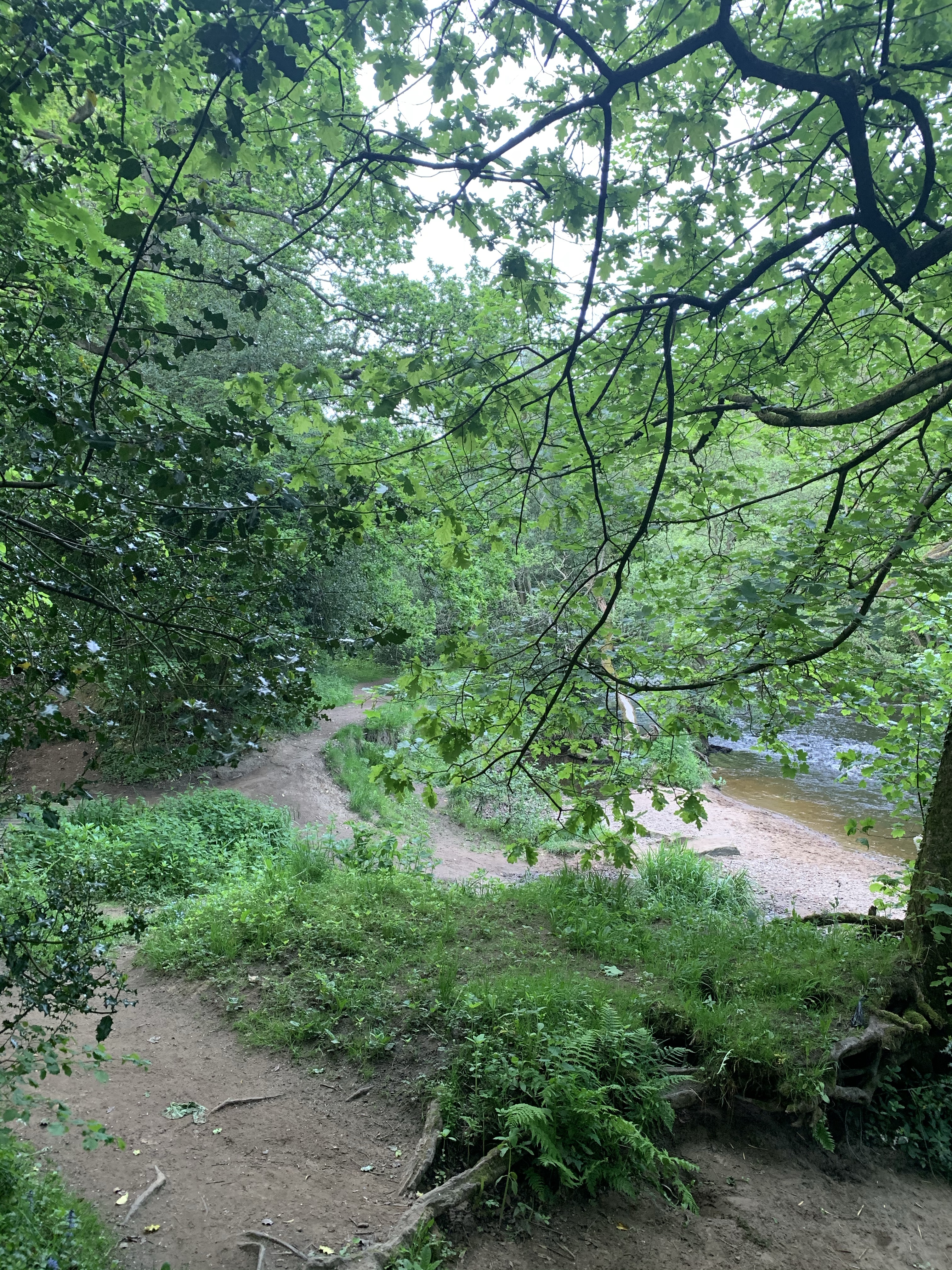
The pictures are from the Scottish Hills as a nod to John Muir’s birth place. I highly recommend a visit to John Muir Country Park if you are in the East Lothian area. My favourite beach is Ravensheugh Beach – also a place that the artist William Turner made some beautiful paintings and somewhere I will be visiting as soon as possible.

Recommended Reading for your own adventures:

On the Trail of John Muir – Cherry Good.

The Eight Wilderness Discovery Books – John Muir. Diadem Books.
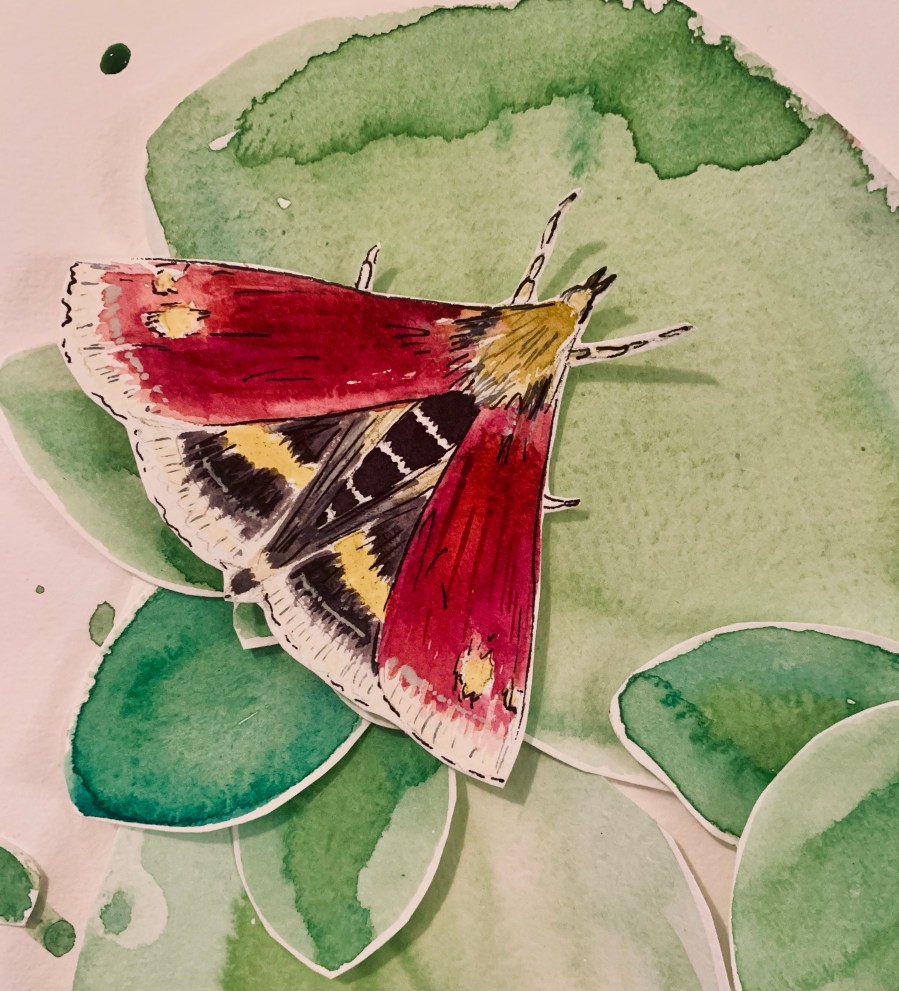
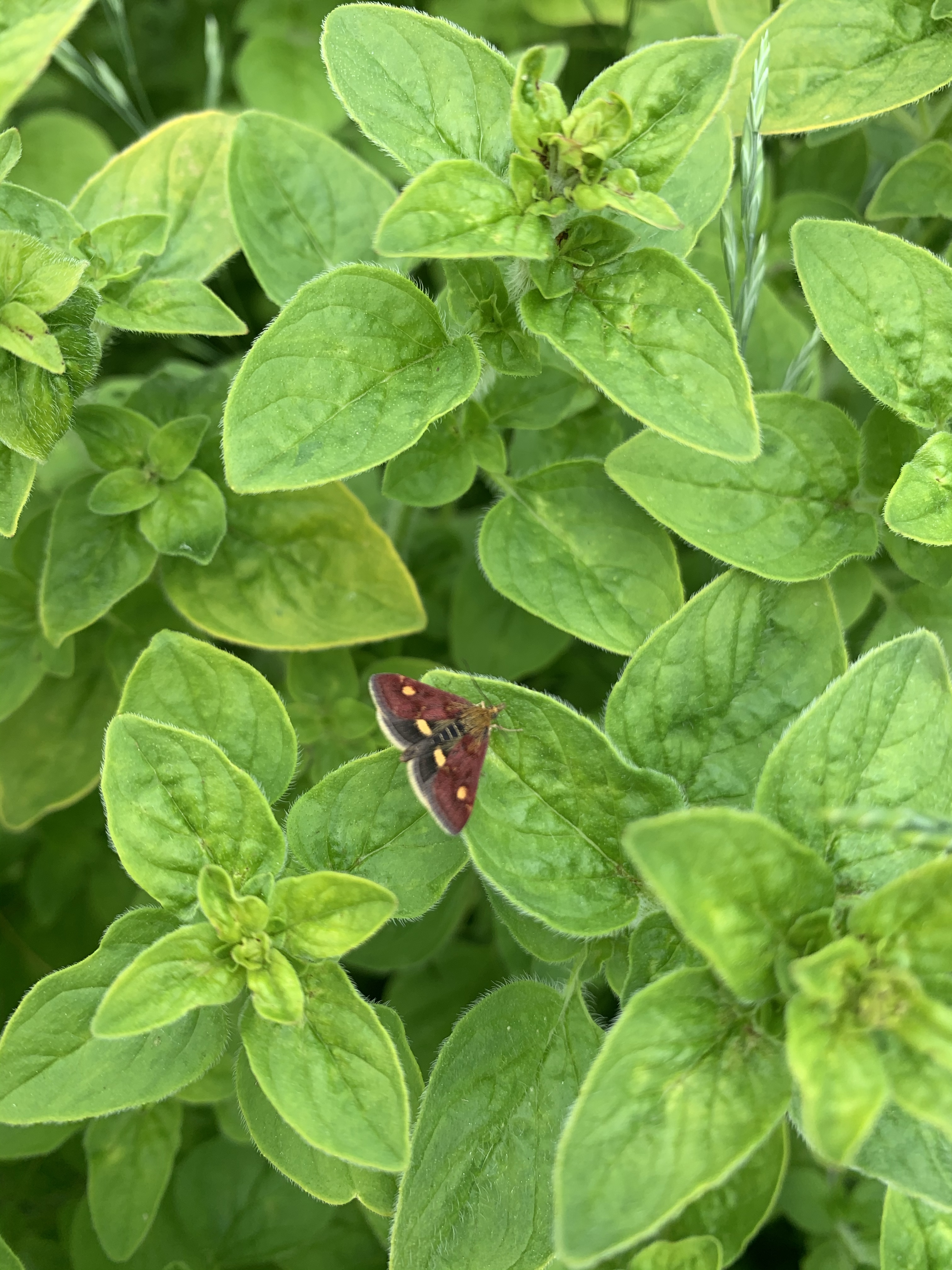
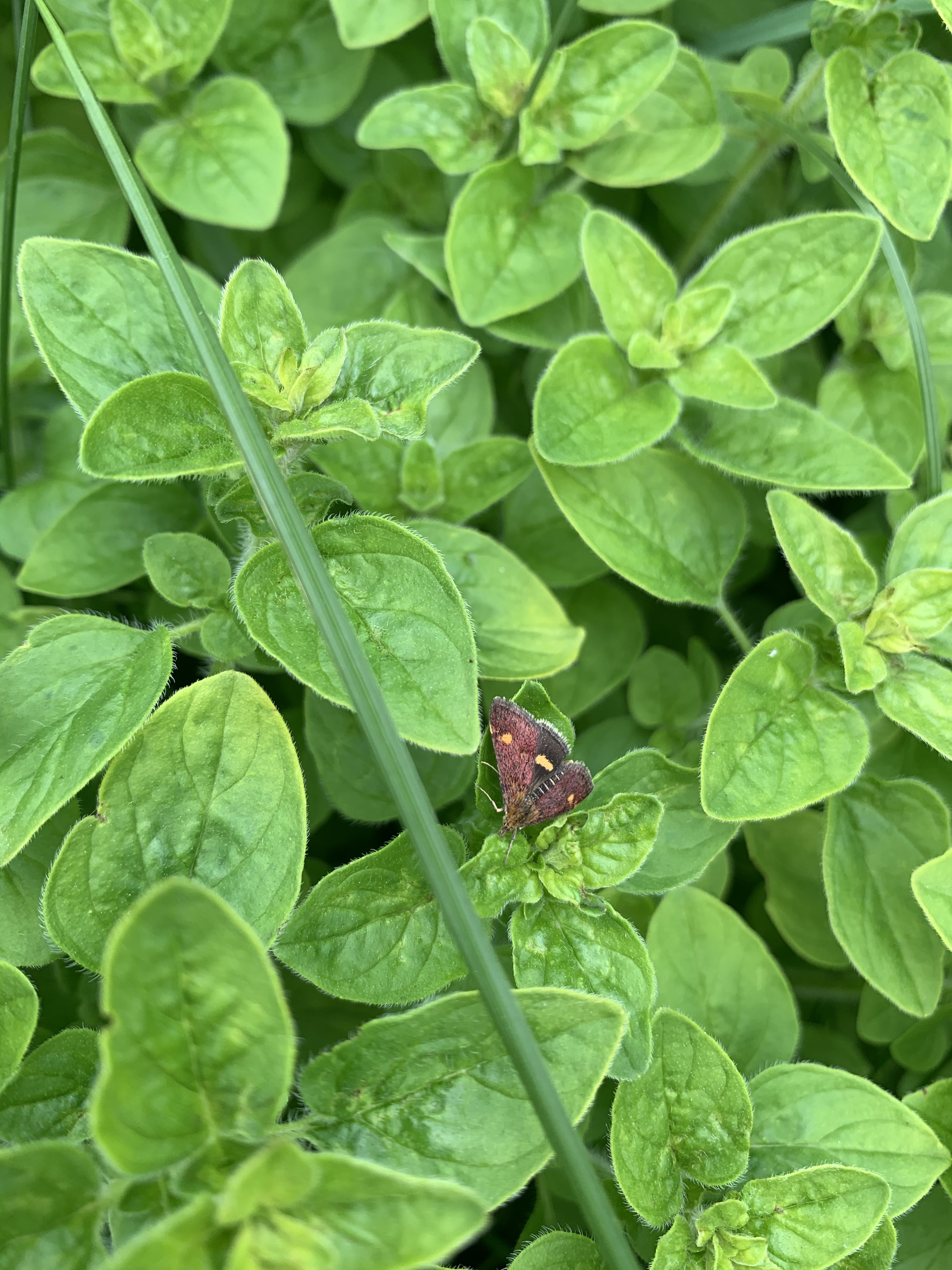
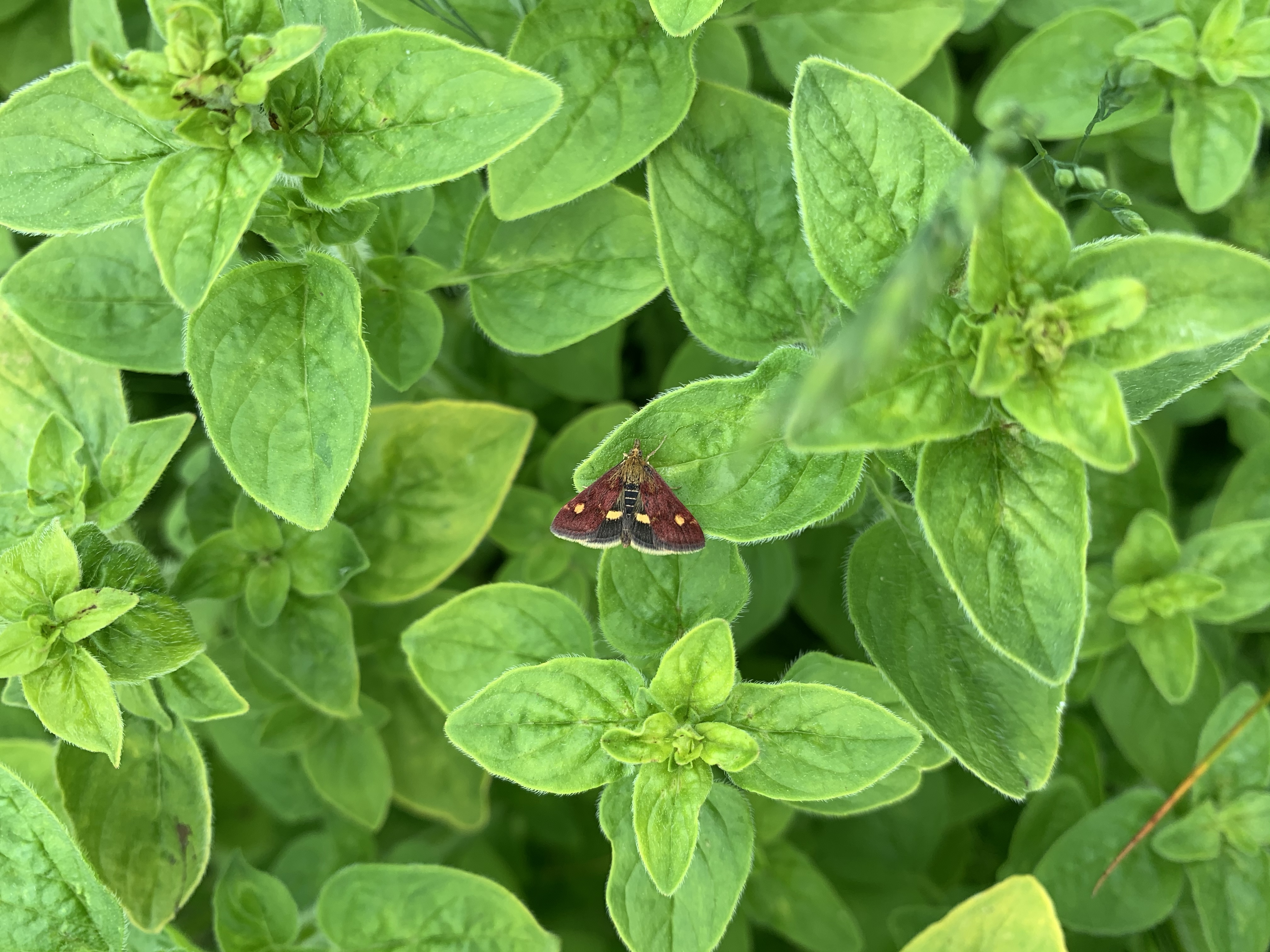
Find of the week… The Mint Moth

I was actually looking for frogs (for the children to inspect), when I stumbled over two of these stunning moths resting on the oregano in the allotment herb border.

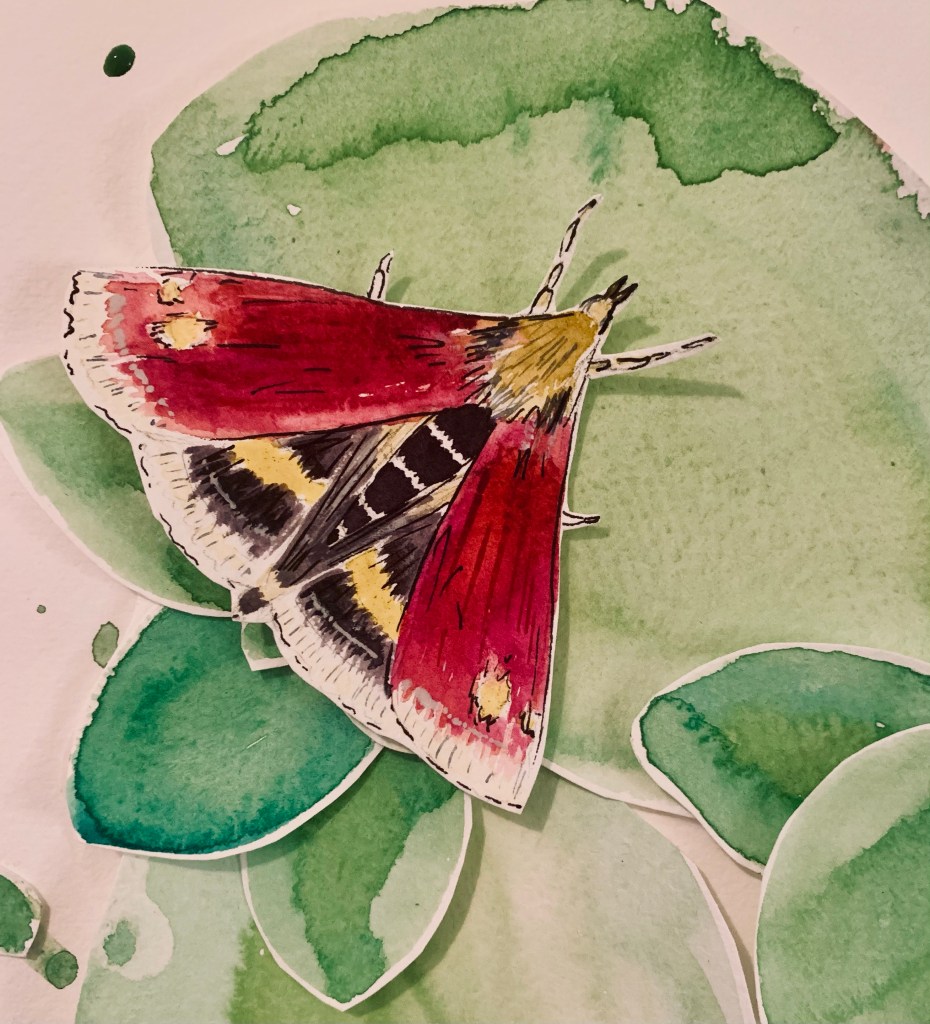
About the size of a five pence piece , they are absolutely beautiful. Wings the colour of red velvet cake with lemon yellow splashes. The tips of the wings fading to light feathers.

I love the contrast of colours against the gem green of the plant. Just beautiful ❤️

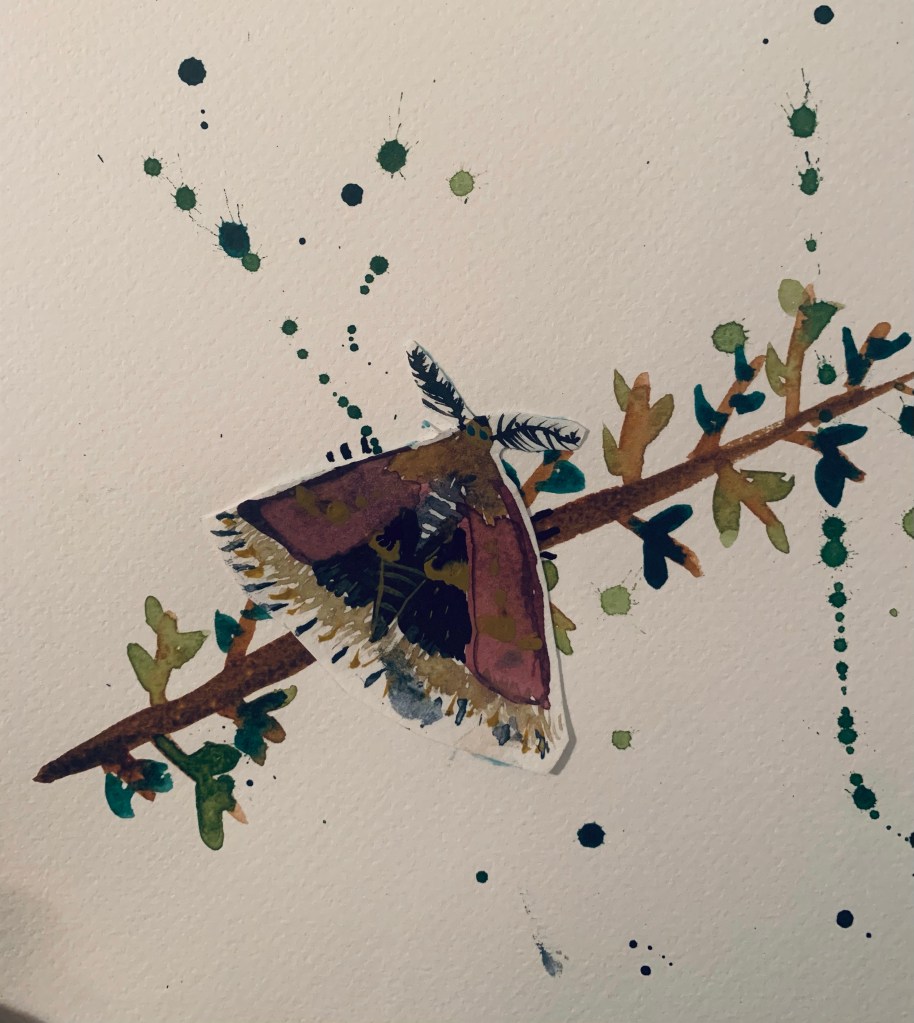
My daughter and I made moth inspired paintings after seeing them. It really helped me to appreciate the fine markings, I especially love the zebra stripes running across the main body.

Moths and butterflies are definitely the fashionistas of the natural world. Always such amazing patterns and colours.

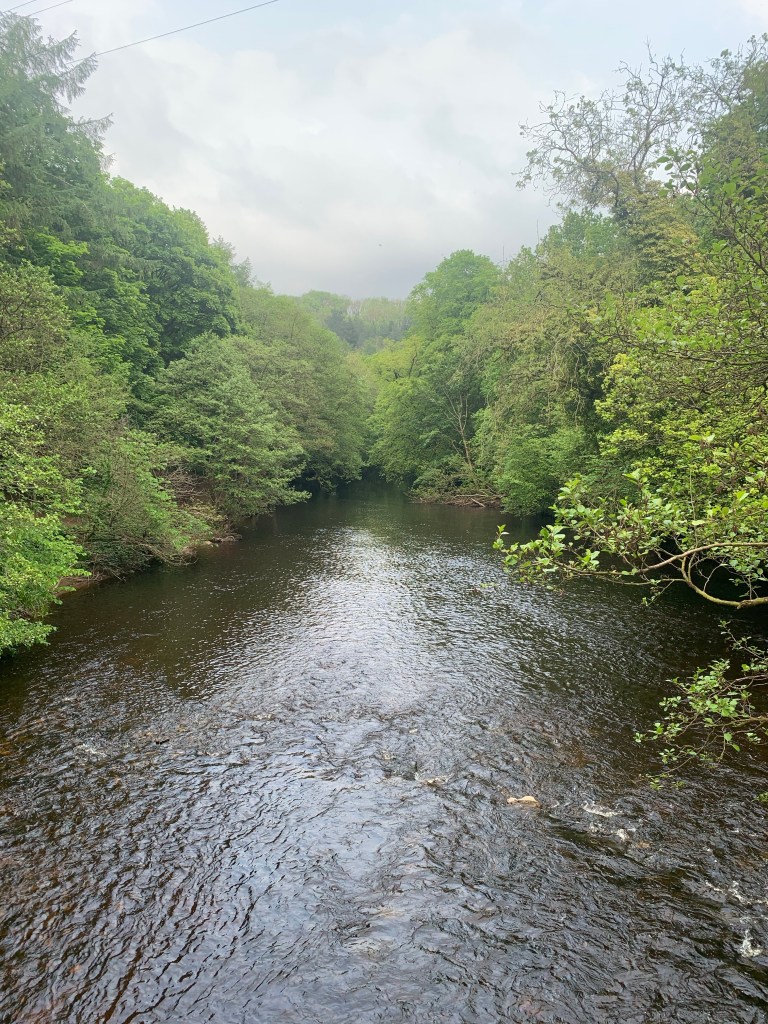
The River Nidd Gorge…

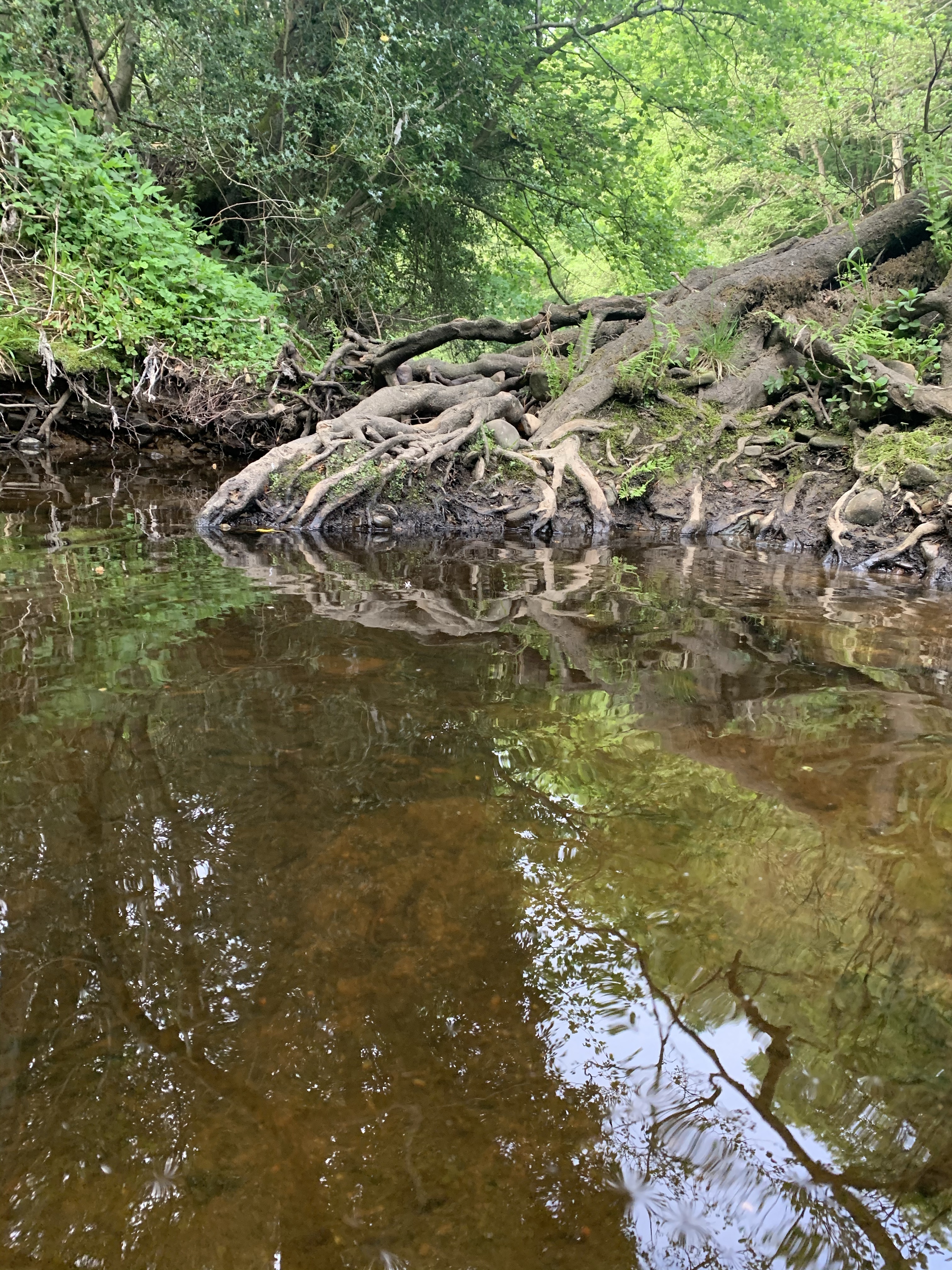
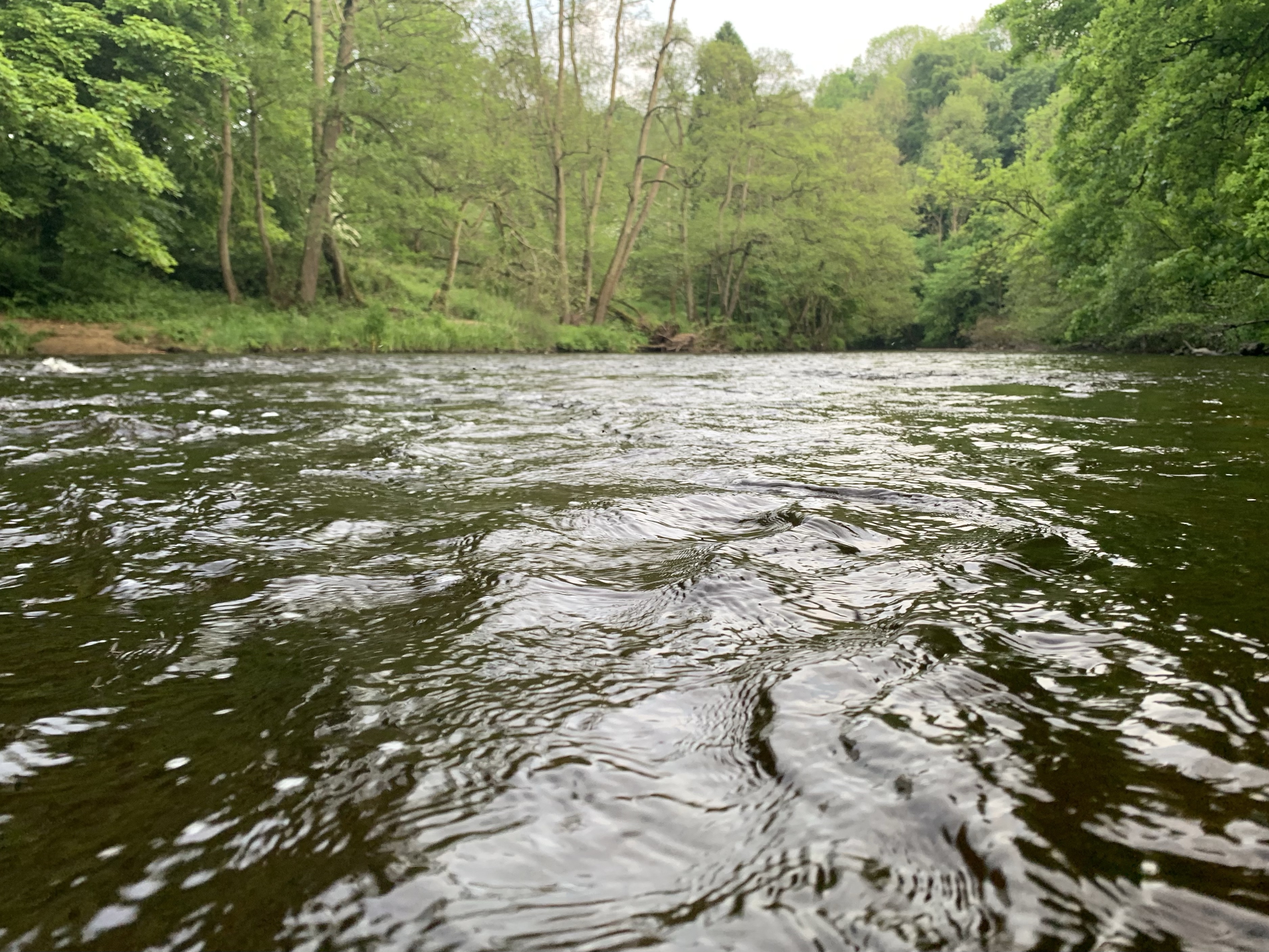
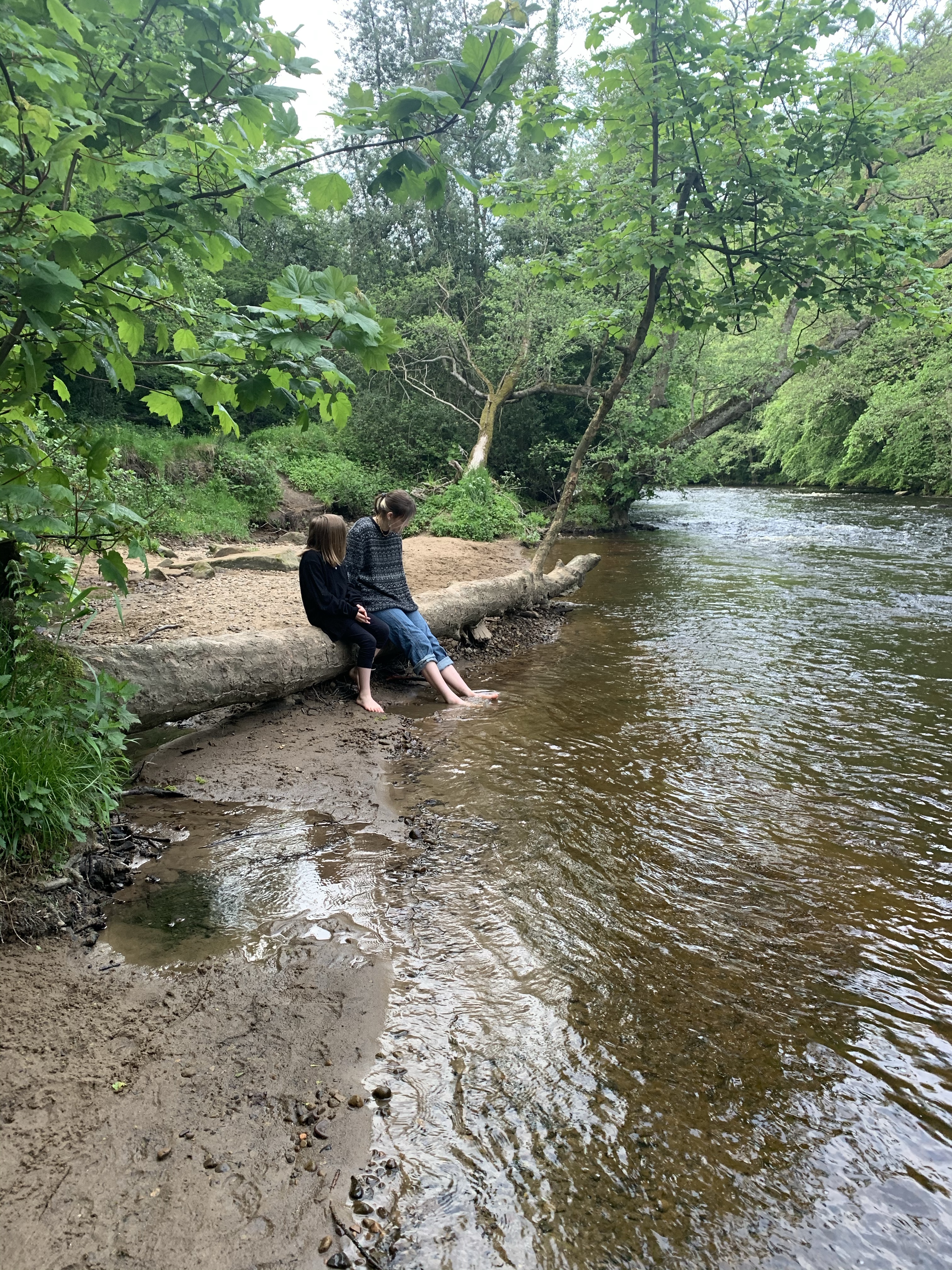
This weeks adventure from Base Camp was to The River Nidd Gorge. Shallow enough for river swimming and quiet enough to hear nothing but bird song and rushing water.

We like to go in the early evening when the day walkers are returning home. I love the way the evening light filters through the trees. This week it was misty when we arrived adding an ethereal feel to the valley.

For more info about the Nidd Gorge click here.

Find of the week… Song Thrush / Mistle Thrush / Blackbird?

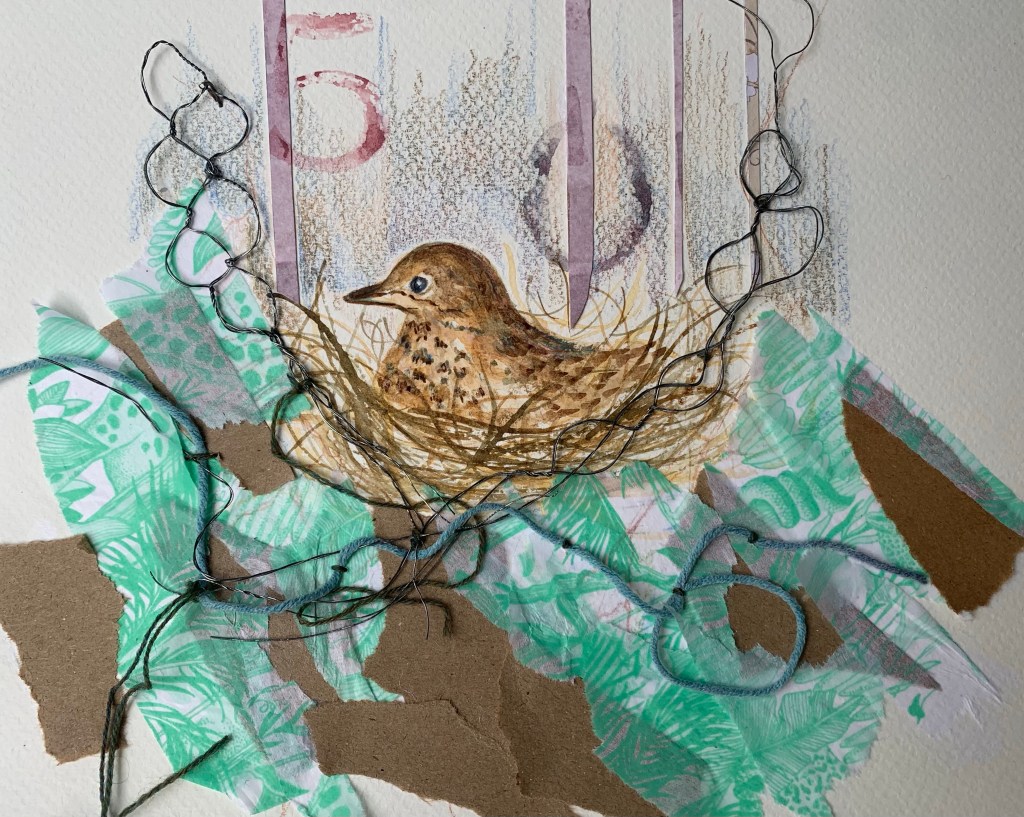
This week we found a nest in the lean to against our shed. On peeking in I thought at it was a Mistle Thrush, but on further investigation I think we may have a blackbirds nest (also a type of thrush).. This got me researching the difference between the – Blackbird, Song Thrush and Mistle Thrush and also discovering that they can cross breed.

Here is a poem I created from my findings!

Mistle Thrush

Mistle Splashed

Throstle

Sound Spilling

In undulating notes

And stops.

Storm Cock

Wing Tipped

Lightning bodied

Warbler.

Fiercly guarding

Jewelled Berries

Throaty Rattle

Hedgrow

Warning.

Is This the Truth of the NHS?

TACTICS 


If we take out the locums,


The bank staff,


The mounting costs,


We CAN hold the front line – only just.


If we hold back on orders,


Ration the needles, the swabs, the linen,


Stretch out supplies,


We CAN hold the front line – only just.


If we cut back on printing,


Buy our own biros,


Cut the funding for training,


We CAN hold the front line – only just.


If we close the services,


Double up the wards,


Use half the staff,


We CAN hold the front line – only just.


If we add a new triage team,


Screen all the entries,


Up-skill the nurses and health care assistants,


We CAN hold the front line – only just.


If we streamline the problem,


Keep our heads down under fire,


Signpost to outreach,


Keep our sights on the end of each shift…


We CAN hold our heads above water – only just.


Written in response to a discussion about the financial crisis of the NHS and ‘changes in the way self-employed people pay tax has led to some NHS Trusts to say they are facing demands for a pay-rise of over 50% for locum doctors.’ World at One – Radio 4 (05.04.17) This programme highlighted how much of the NHS language is the language of war.

This week I attended the NAWE conference (National Association of Writers in Education). I was inspired to hear from writers using their skills within the NHS as a teaching tool to support reflection within the workplace and understanding, in particular compassion towards patients, but also of their own experiences and the pressure born of working in the health system. I was particularly blown away by the writing of Romalyn Ante who’s recent book Antiemetic for Homesickness portrays her experiences working in the UK as a nurse and the distanced relationships between herself and her Filipino family. Personally, speaking as a health care professional, I feel too often our voices are not heard. There is a real need for humanity to be at the centre point of relationships between staff and patients, to build connections as people. Health Professionals are not infallible, we are doing our best under difficult circumstances, we are often as frustrated as the people receiving the services of the limitations on what we can offer.

During my MA in Creative Writing at YSJ University I completed a module on Literary Activism and chose to raise awareness of the pressures that the NHS staff are under by translating my own and colleagues experiences into poetry. The poem at the start of this blog and the collage was part of my final work. The NAWE conference has inspired me to resurrect this and to think about running some workshops for my colleagues in the NHS to support our voices being heard. If you are interested in this work, or have an interesting view on this, please do leave me a message on the comments.

Progress on my PhD this week – the NAWE conference has given me some rocket fuel and a raft of ideas to follow up. Challenges – Not to fall down too may rabbit holes!

Writing: Many notes / 0 typed words. Although I did get an extract sent in to my tutors and now have many exciting words to type up.

Goals for next week: To get typing. 500 words minimum.

*Collaged words scrap booked from old issues of the Nursing Times.