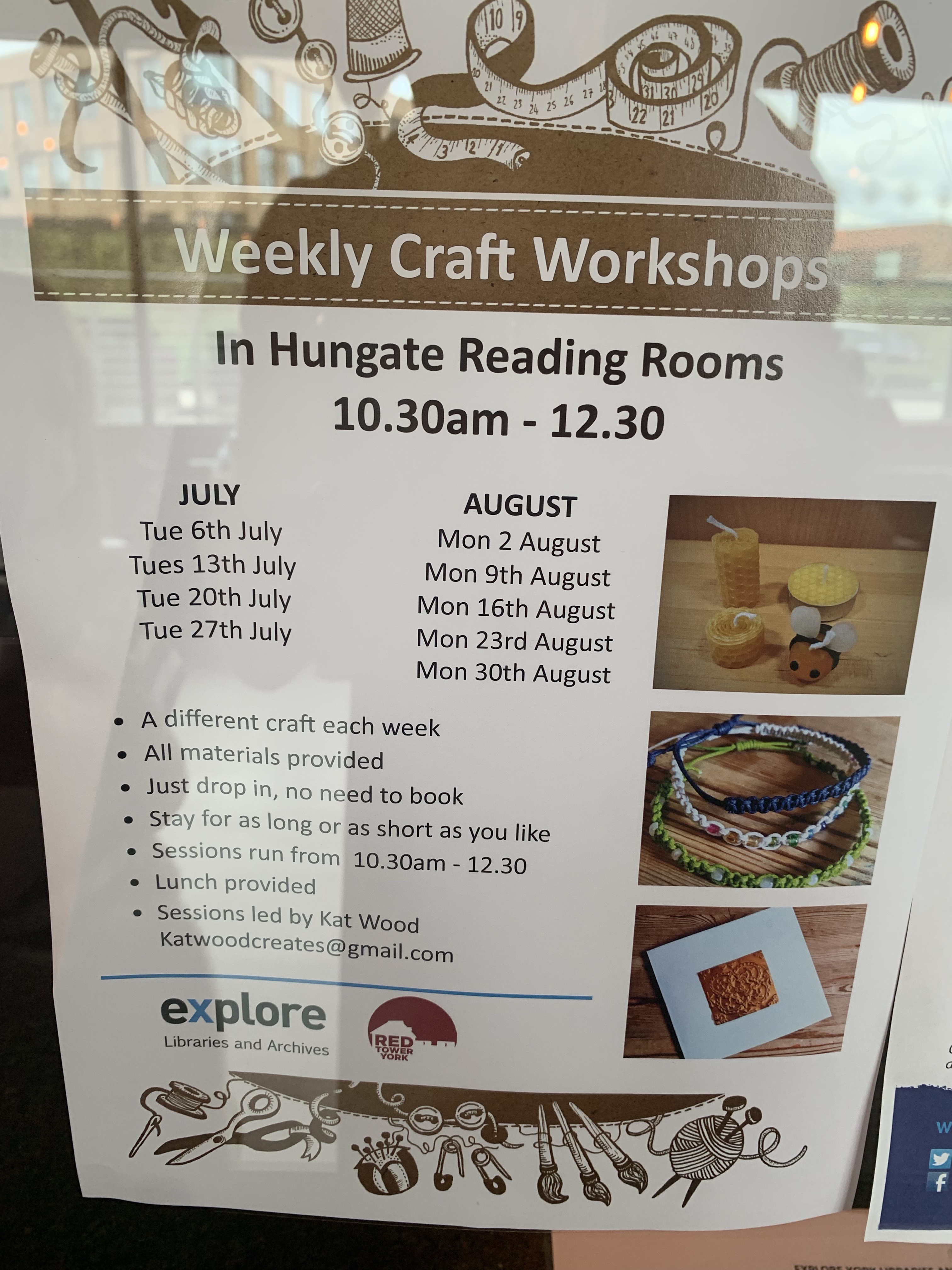
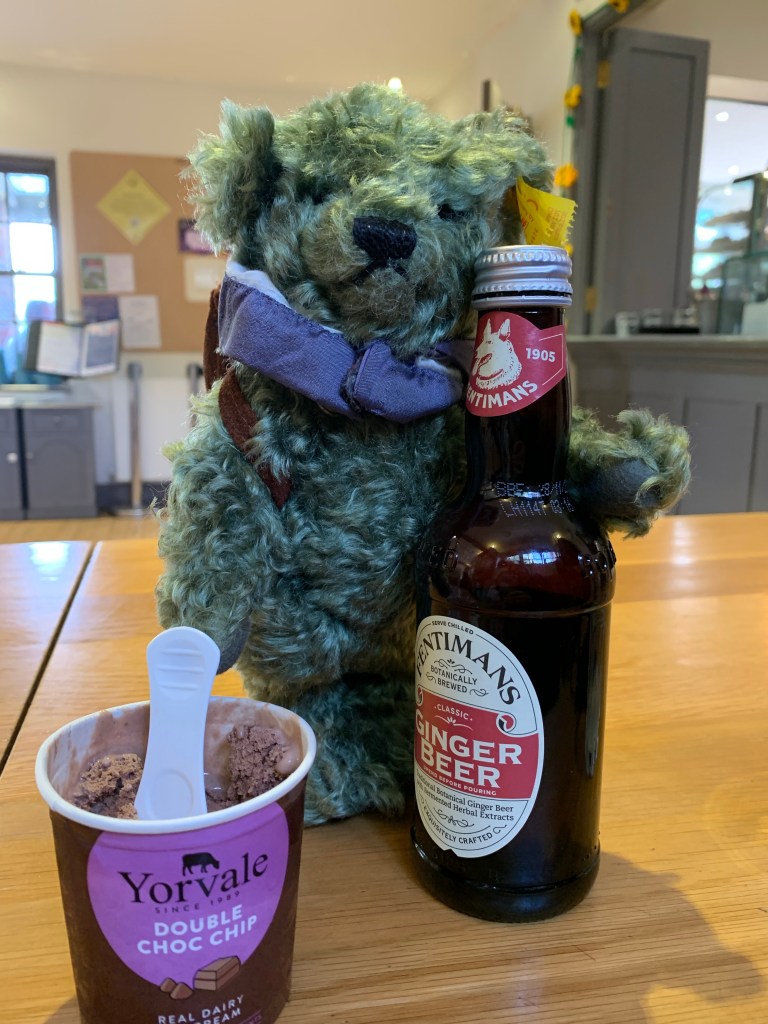
Loving York Library reader cafes this summer. We picked up a leaflet in Rowntree Park Reader Cafe encouraging us to get a stamp from all six reader cafes this summer to win a goodie bag.
It worked! We have two left to go. It’s cost me a small fortune in posh lemonade and hot chocolate – but we made it a teddy bears picnic event and the whole family have got back into reading in a major way. (Result!)
I’ve made some great unexpected finds for my PhD. Nothing better than running your (sanitised) hand along a book shelf and seeing and seeing what speaks to you right?
And we have discovered some great new resources under our noses.
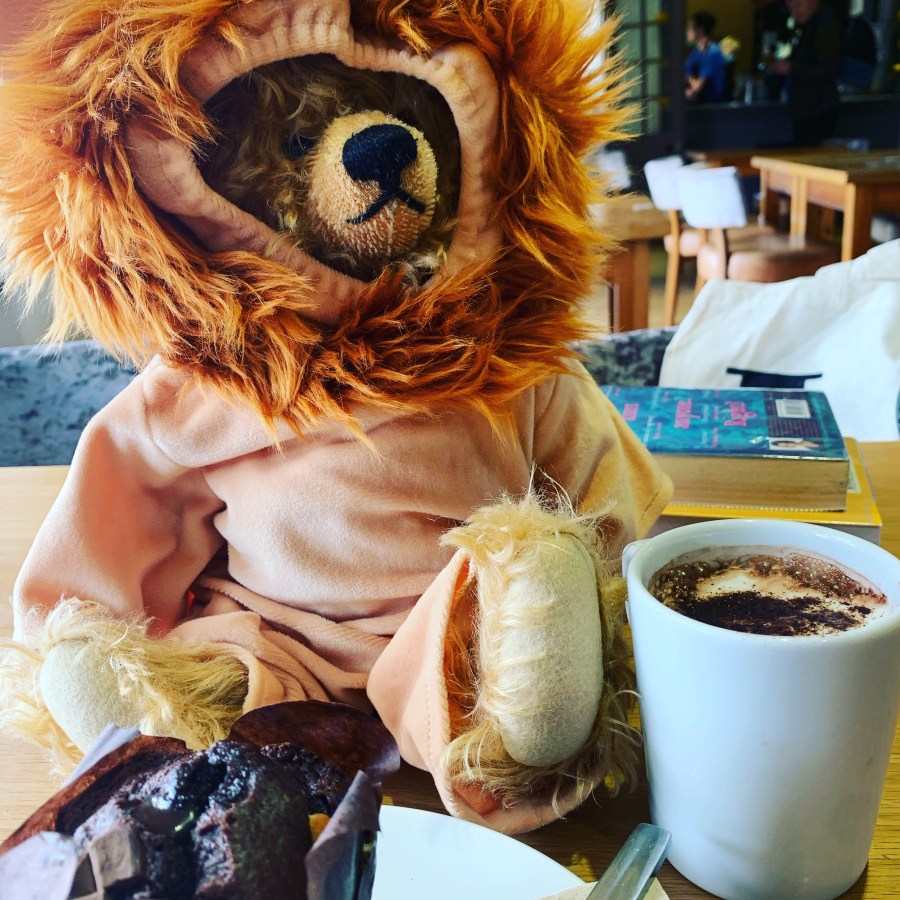
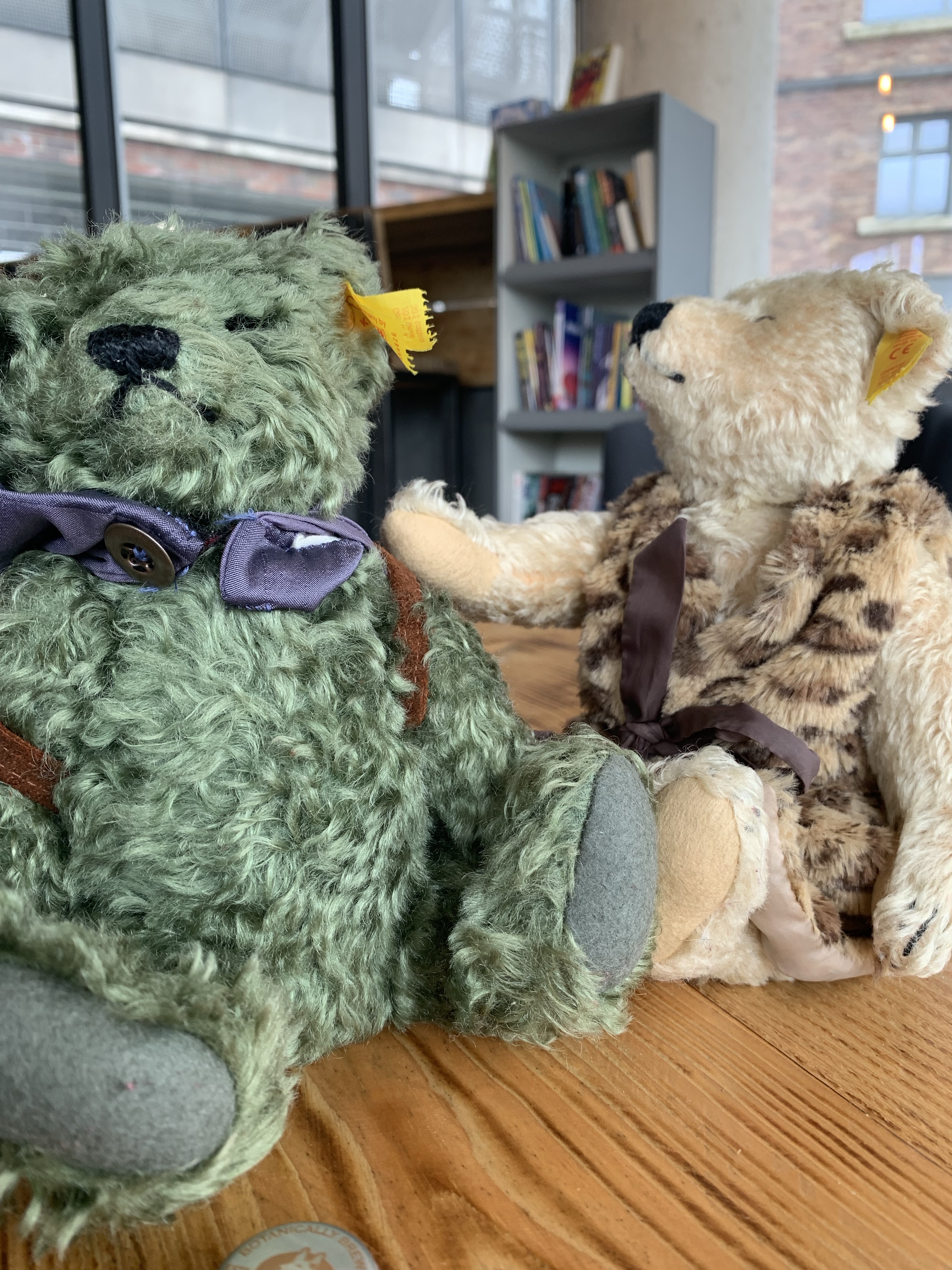
For those of you interested in the bears… they are all rescue bears from charity shops ❤️ Mr Snoots (in the leopard print) only likes to be decent and clothed. Tom Traveller (strange green colour) doesn’t really give a damn. Bez the bear (in his lion onesie) is my replacement bear (top pic) after Mr Snoots surprisingly migrated from my room to my daughters.
In indigenous cultures nature is full of meaning and symbolism. We can learn from this and follow our own intuition using nature as a guide. Using nature for reflection is a useful tool.
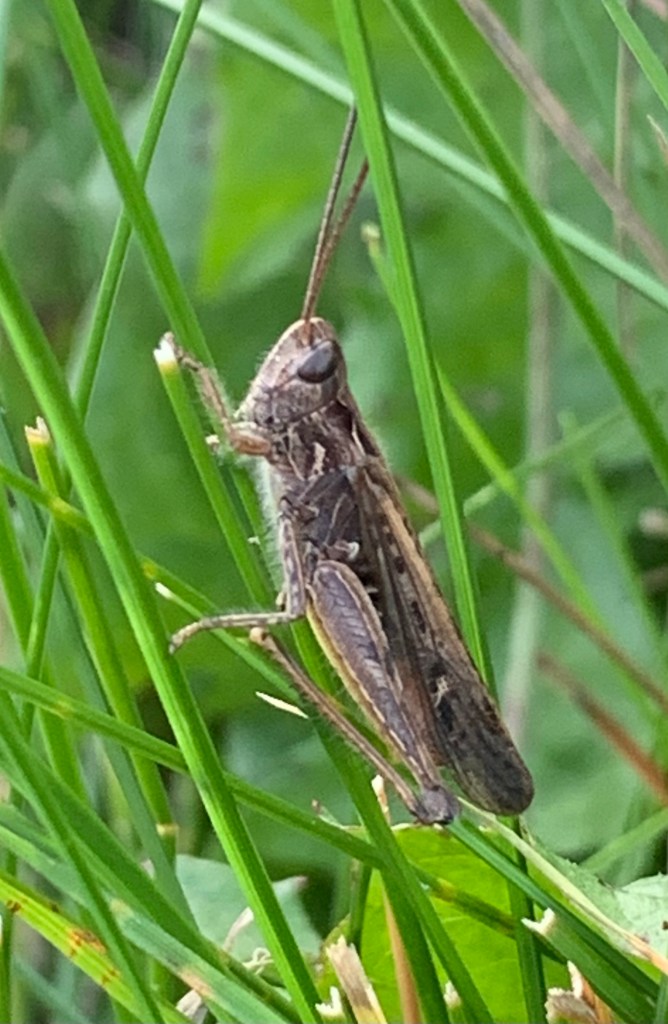
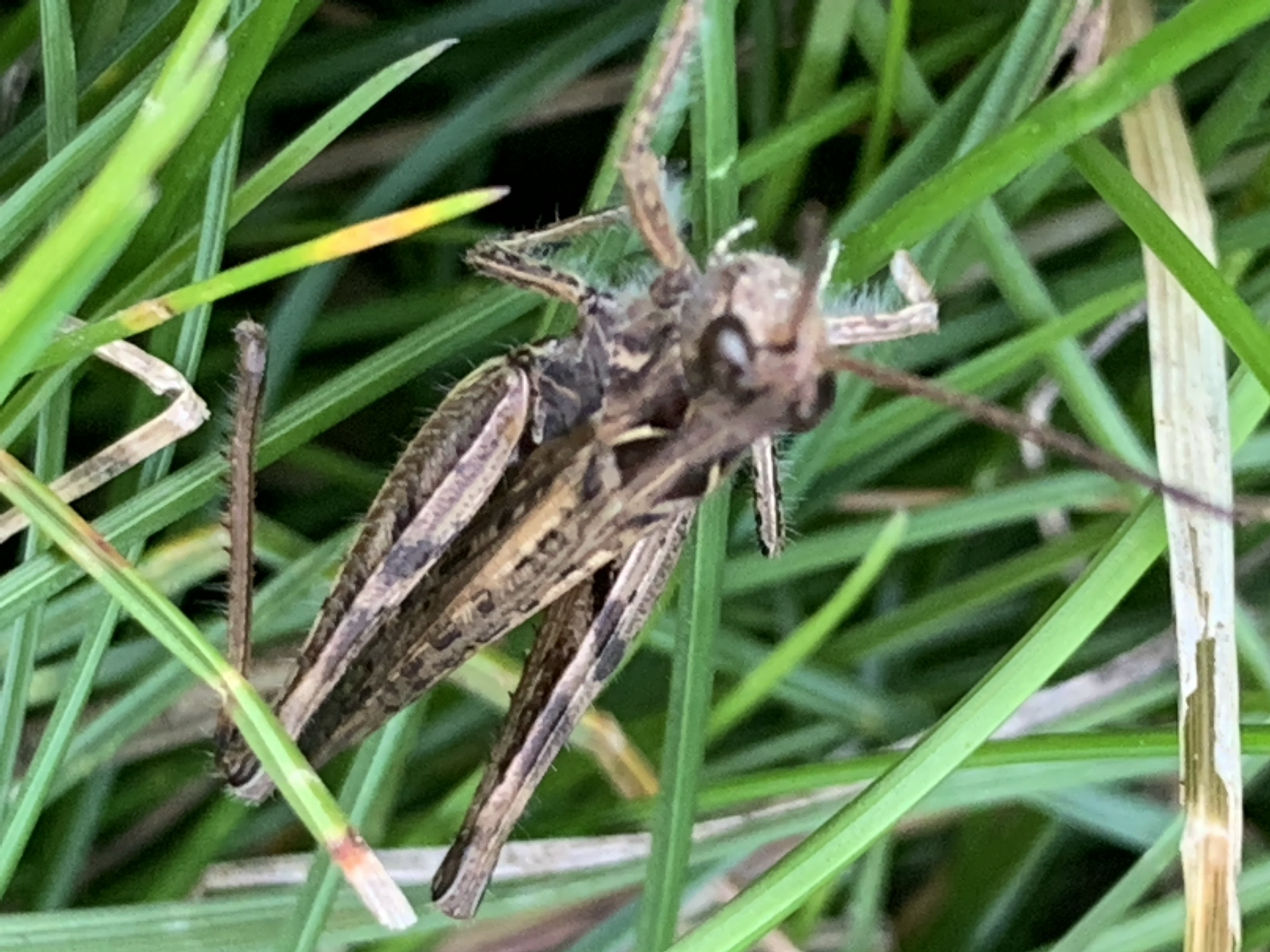
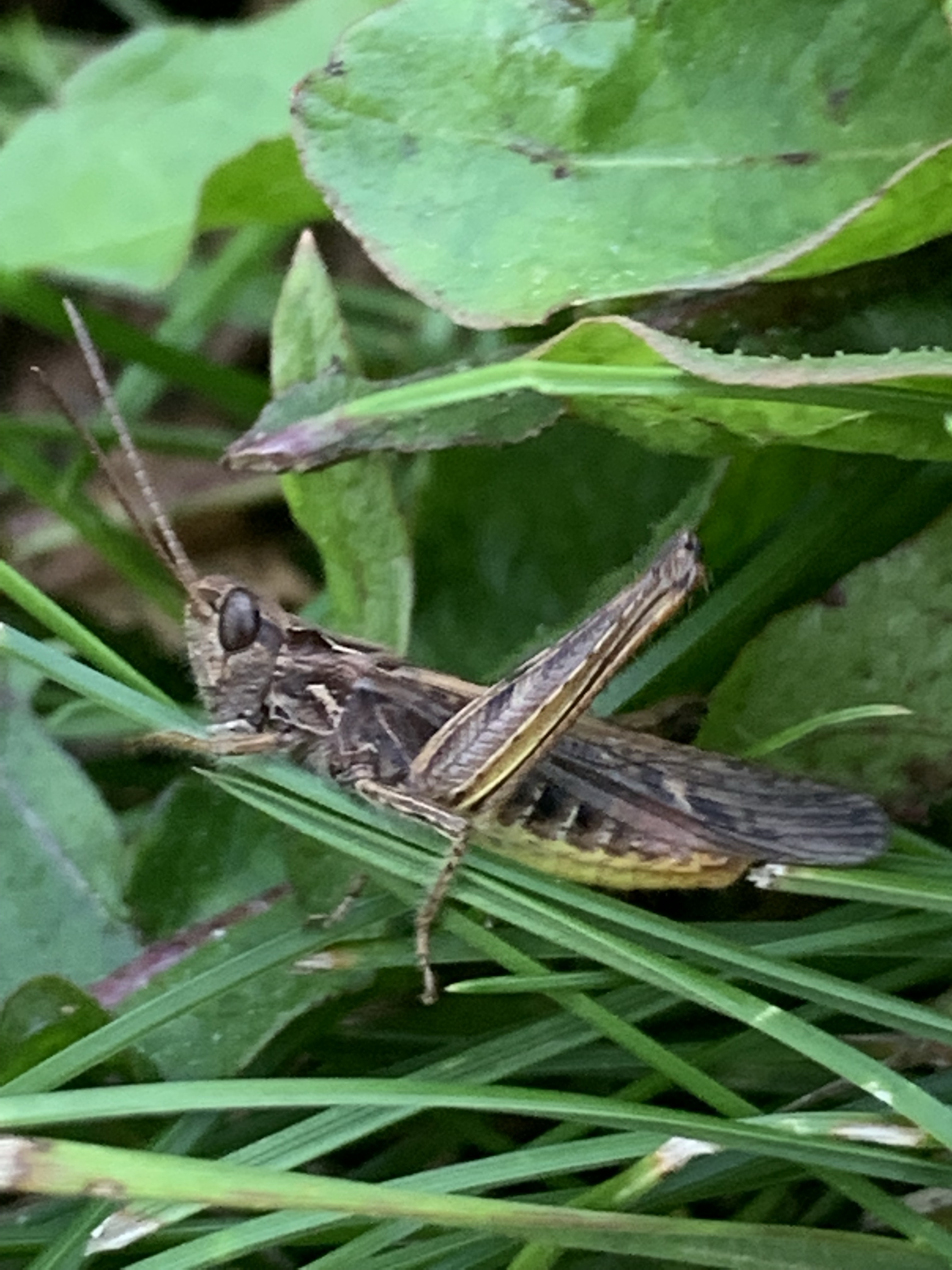
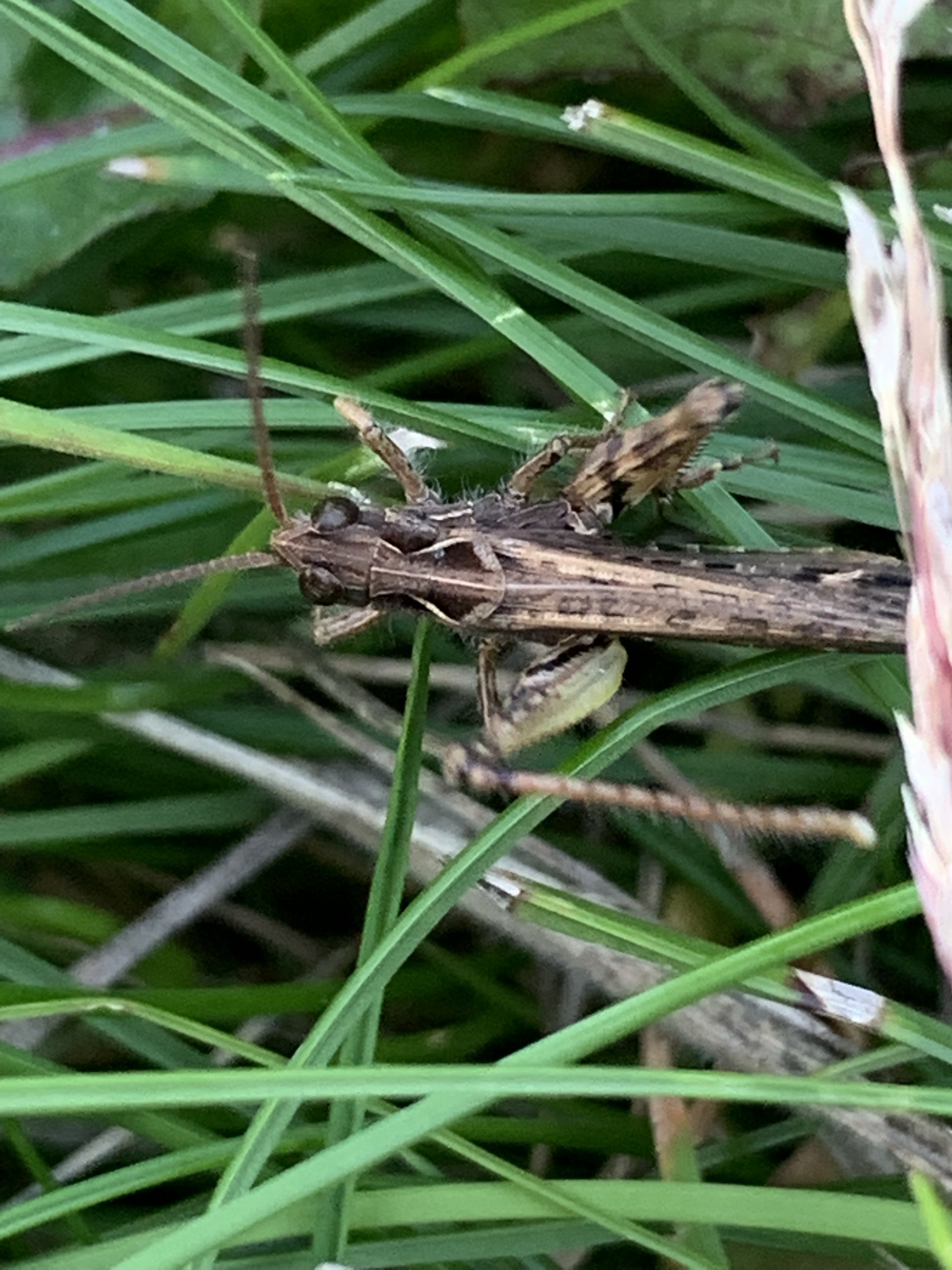
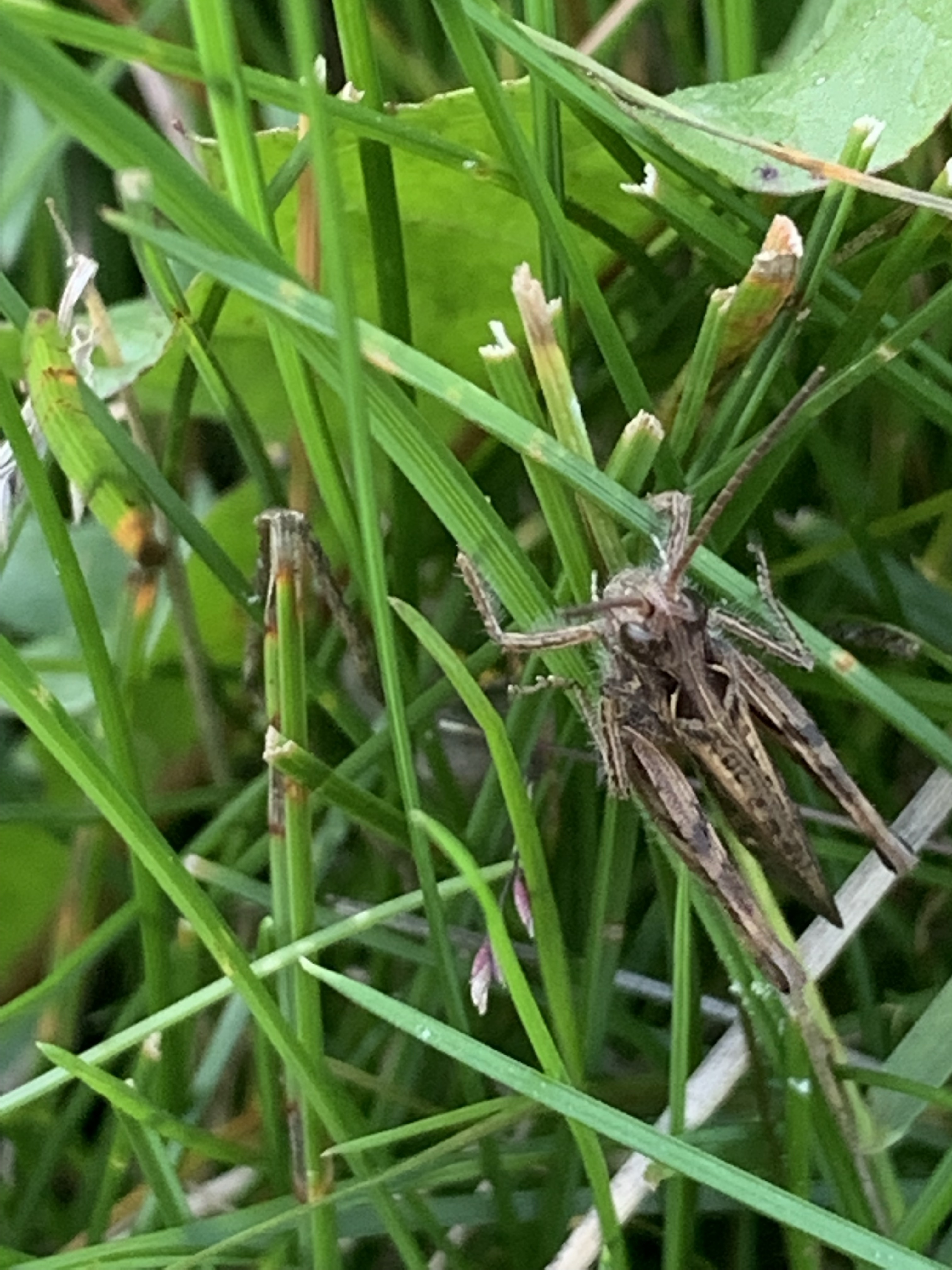
Recently on my allotment we found a very docile grasshopper. We were able to get close up and inspect him / her and the wonderful markings.
As is usual for me, I became intrigued with grasshoppers and crickets (and the differences between them) if you want to know more follow this link. It certainly gave me plenty of inspiration for my field notes.
Whilst researching I also came across a fun page on animal totems and spiritual connections. Apparently if you encounter a cricket you can expect good fortune and you should decide whether to take a leap of faith. It is also representative of finding your true voice.
Having spent some wonderful days delving into books, writing poetry and working on prose for my PhD recently, I will take this as a sign that I am on the right track!
Life at Base Camp is certainly never boring. I am in total admiration at the younger members of our team – being able to adjust last minute to changing plans amidst the chaos of covid.
This week I was meant to be at home working while my Scots’ man took the children back to Scotland for a ‘wee holiday‘ and a catch up with the clan.
On Saturday we got a message to say a close friend of my son’s had tested positive on a flow test for covid, as had his sister and they were waiting on full test results. This meant my son couldn’t risk travelling to Scotland as it seemed likely the tests would come back positive . We decided my daughter and husband should still go on their adventure and my son would stay home and isolate while I worked. A text message arrived today, twenty minutes before my husband and daughter were due to set off, to say the covid test for my son’s friend was actually negative, even though his sister’s had come back positive.
What do you do!?
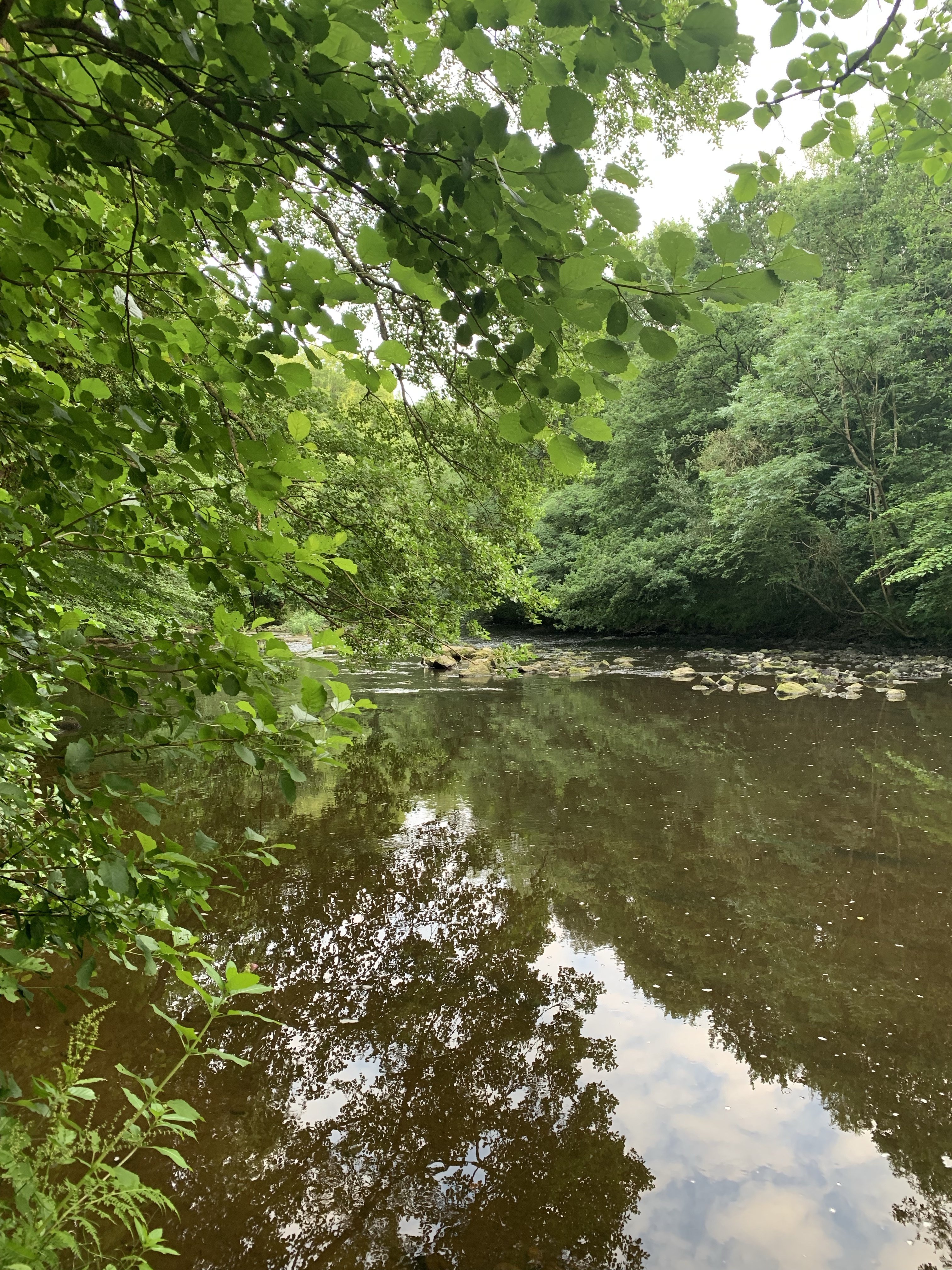
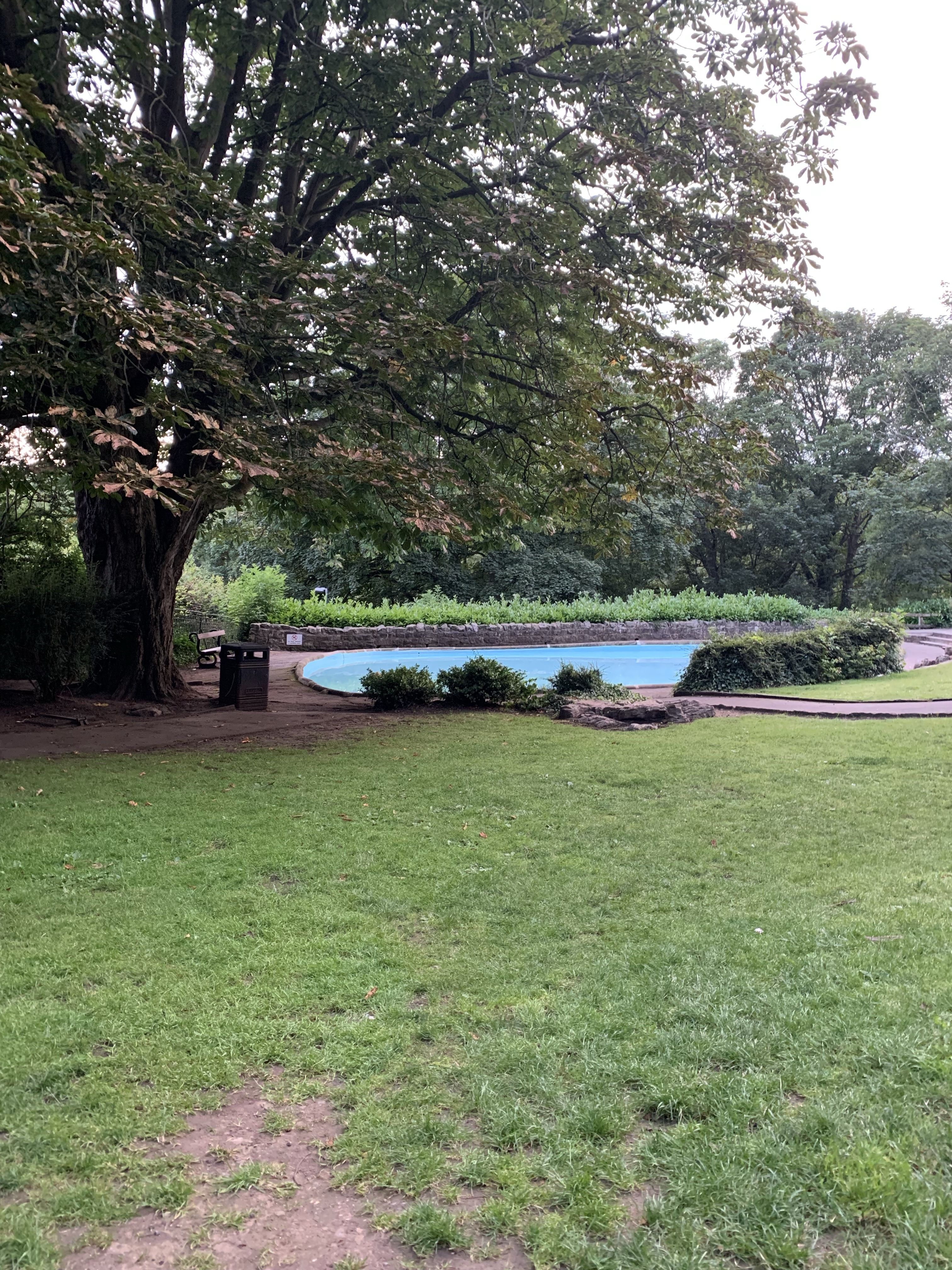
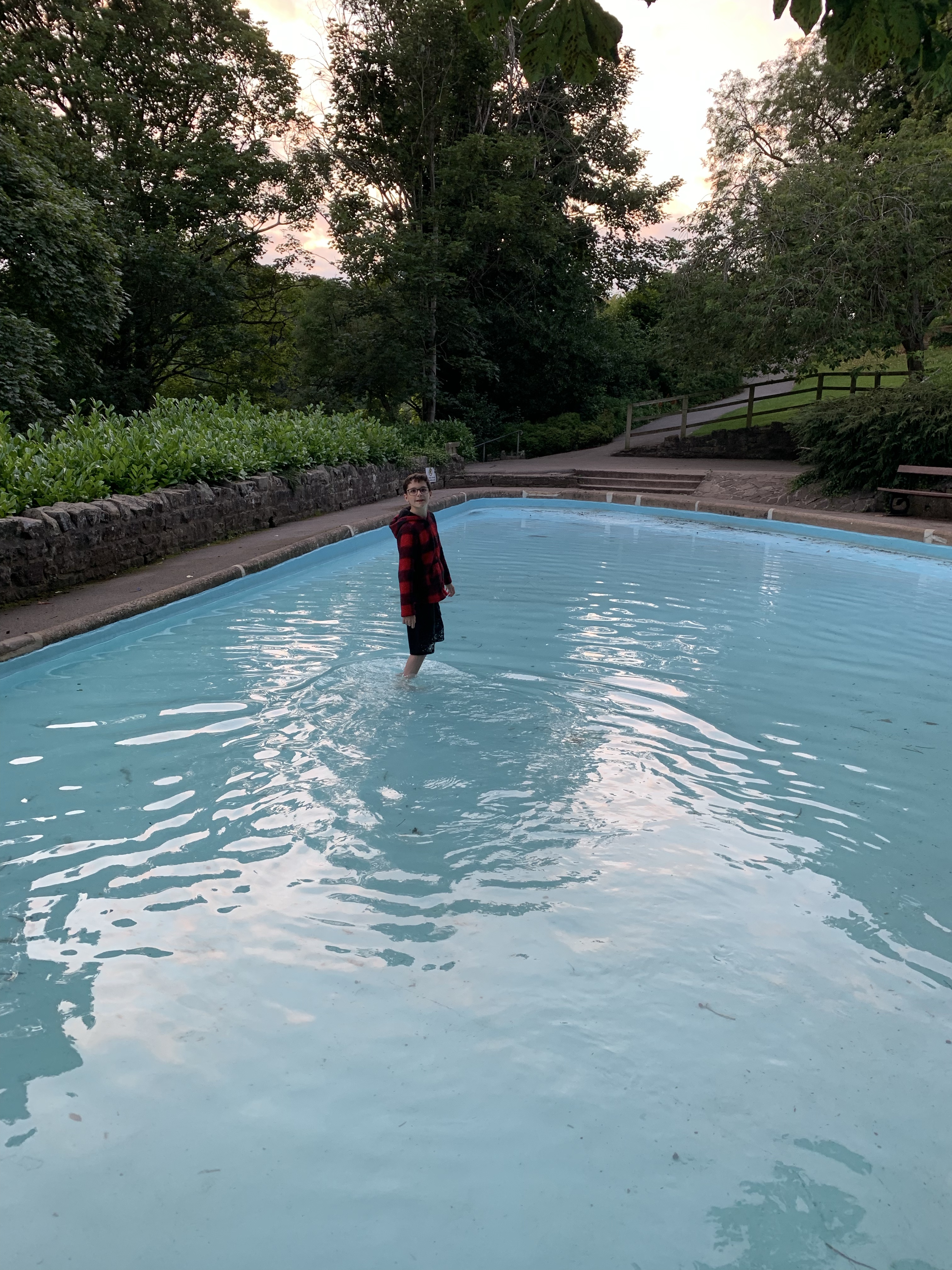
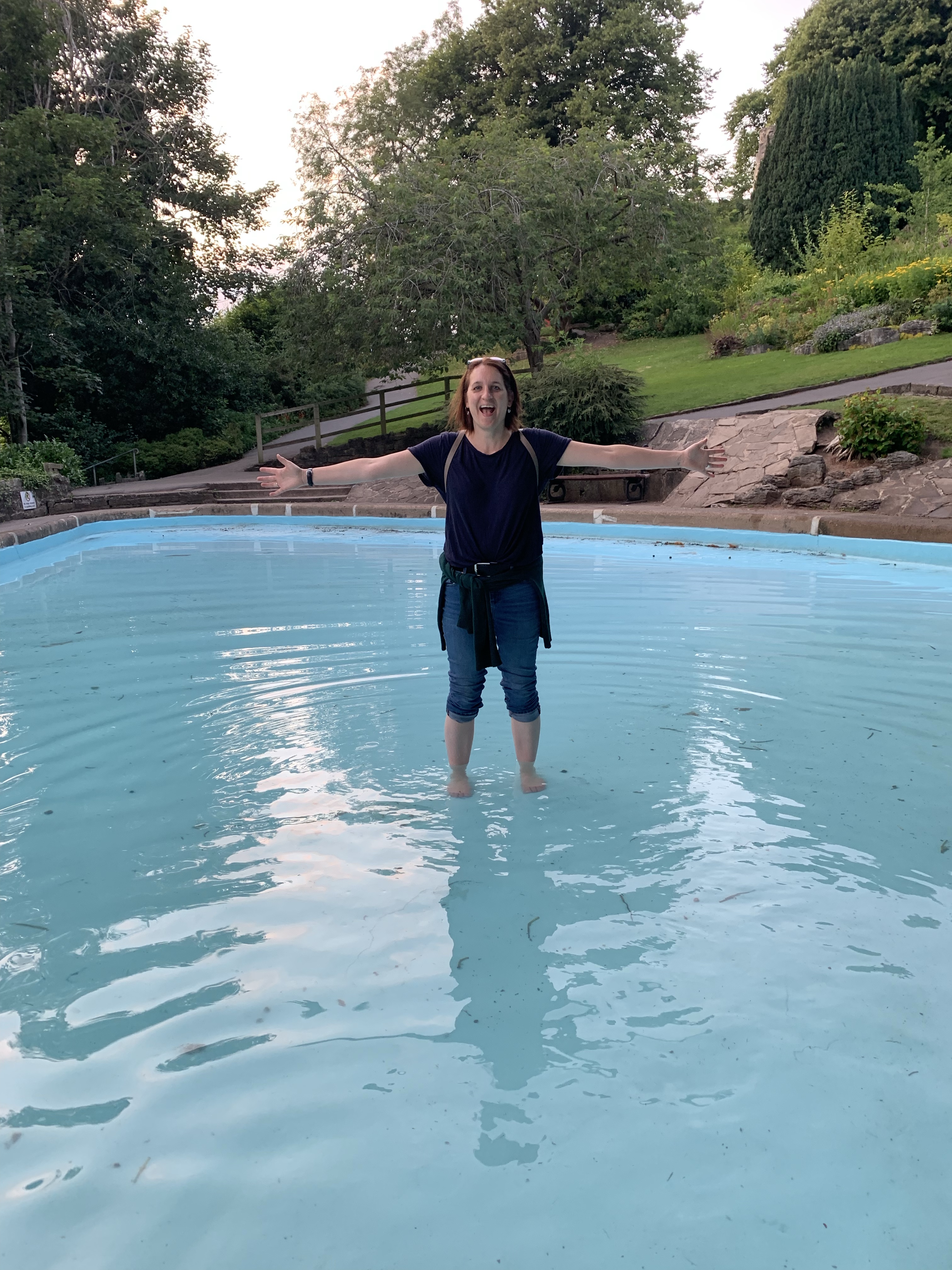
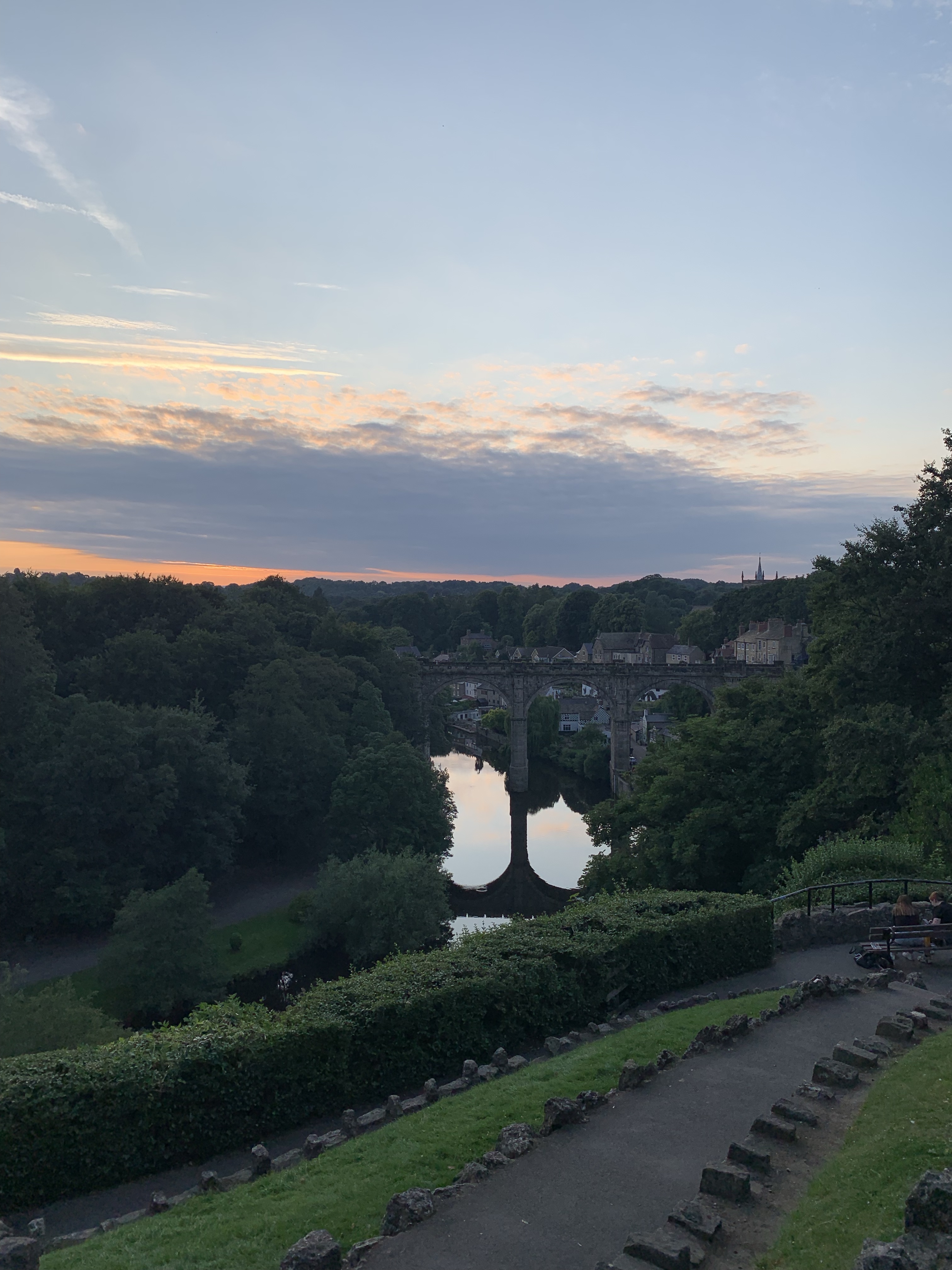
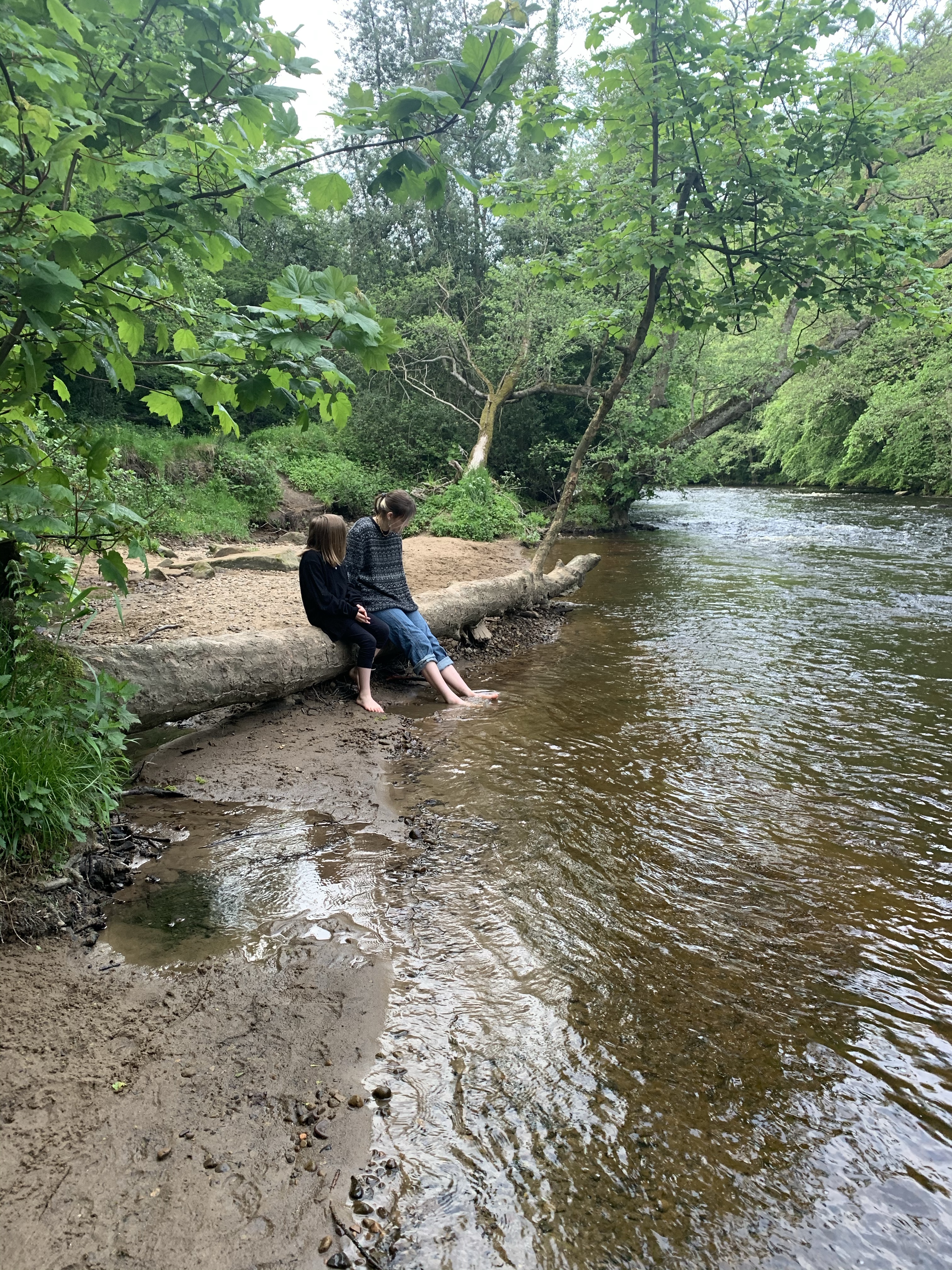
Quick family meeting – can we pack a bag in twenty minutes etc etc. The whole of base camp’s heads were fried! Twenty minutes later we decided to stick to the second plan, as everyone had adjusted to the changes, so we put hubby and daughter on a train. My son (now not in isolation) revised his plans – and organised a week with his friends. So my son and I spent a day chilling in Base Camp then went exploring at the River Nidd and Knaresborough this evening, we even found a paddling pool hidden in the park that runs around the castle.
I’m lucky that we like to go with the flow here,
My Dad has a motto ‘Fear the Worst’ and then anything that happens that is better than the worst is a bonus! I think you call that Stoicism!
Hope that your holiday plans aren’t all topsy turvy too. Although it isn’t the week of catching up with work and research that I was expecting it’s certainly lovely having some gorgeous quality time with my son 🙂
Taken from The Lady of Shalott by Alfred, Lord Tennyson
There’s a line of trees at the edge of the racecourse field in York that catch the wind on the rise of the hill and if you close your eyes, you could be standing by a waterfall or rushing water.
Even in the slightest breeze they quiver and whisper and are totally magical if you stop and take the time to listen and notice the movement of the leaves. They always remind me of the Lady of Shalott poem by Alfred Lord Tennyson. I’m not 100% sure if they are Aspen, but they had me intrigued enough to look up the folklore and mythology related to Aspen trees.
I found this fabulous website Trees for Life and learnt that Aspen were thought to have ‘magical qualities to safeguard the bearer from psychic as well as physical harm.’ A crown of Aspen was thought to allow the wearer to enter the underworld and also to return safely. I recommend visiting their page to read more.
I love how one observation can open up a new world. The Trees for Life Project is based in the Highlands of Scotland and aims to restore the Caledonian Forest. You can donate trees to their project as well as learn about the many wonderful species. I’m already forming a plan for an adventure (but maybe when the midges are less voracious)!
I completed my second set of courses for the Field Studies Council this evening. I’ve hugely enjoyed creating the courses and teaching. Visiting the allotment was the perfect wind down after a lovely online session.
The pond is teaming with tiny frogs, everything is lush and full of life.
Linden blossom and honey suckle scent marked our path. Roses trailed over the plot borders.
I think I will sleep well tonight 🙂
I’m looking forward to running the two courses again in the Autumn term. If you are interested in joining, you can find more out about them here:
Both courses are run virtually. Students download and complete course tasks which are followed up by a 40 minute zoom at the end of each week. They will be running again during September and October 2021.
It’s no secret that I love books. Reading is travelling in the mind. Diving into another world, or places that we haven’t yet had chance to explore.
Recently I’ve been lucky enough to have been working on a project about Darwin for the Field Studies Council. I thoroughly enjoyed learning about Darwin’s life, but was also surprised to discover that after his epic voyage on the Beagle he rarely travelled and stayed within his home for much of the rest of his life. (Mind you – five years at sea might have felt like enough travelling for one life time!)
Reading about Darwin inspired me to learn more about another naturalist, John Muir (1838 – 1914). Much less known in the UK John Muir started his life in Dunbar, Scotland. His Father was strict and John Muir had a harsh upbringing. To escape he often wandered into the hills and found solace in the natural world.
When John Muir was 11 his father moved the family to America to pursue a new life and the preach for the Disciples of Christ, a strict religious order. Muir left home at a young age of to pursue work for himself (he was a brilliant inventor and engineer), Muir also continued his pursuit of knowledge of botany and the natural world and in 1867 decided to walk 1000 miles to the Gulf of Mexico.
Muir often slept wild, meeting strange folk along the way as well as discovering for himself what we now know as some of the greatest national parks such as Yosemite.
Muir published eight books over his life time recording his findings and thoughts. He is now known as one of the greatest environmental philosophers and the person who first put forward the idea of National Parks.
Muir recognised our disconnect from nature and worked hard to protect the world and find balance. I love his words about life and death that reflect that humans are often divorced from the life cycle and the natural world. We often see death as a medical failing. There is much comfort in John Muir’s words which also make me more determined to appreciate each day that I have.
‘Let children walk with Nature, let them see the beautiful blendings and communions of death and life, their joyous inseparable unity, as taught in woods and meadows, plains and mountains and streams of our blessed star, and they will learn that death is stingless indeed, and as beautiful as life, and that the grave has no victory, for it never fights. All is divine harmony.’ John Muir
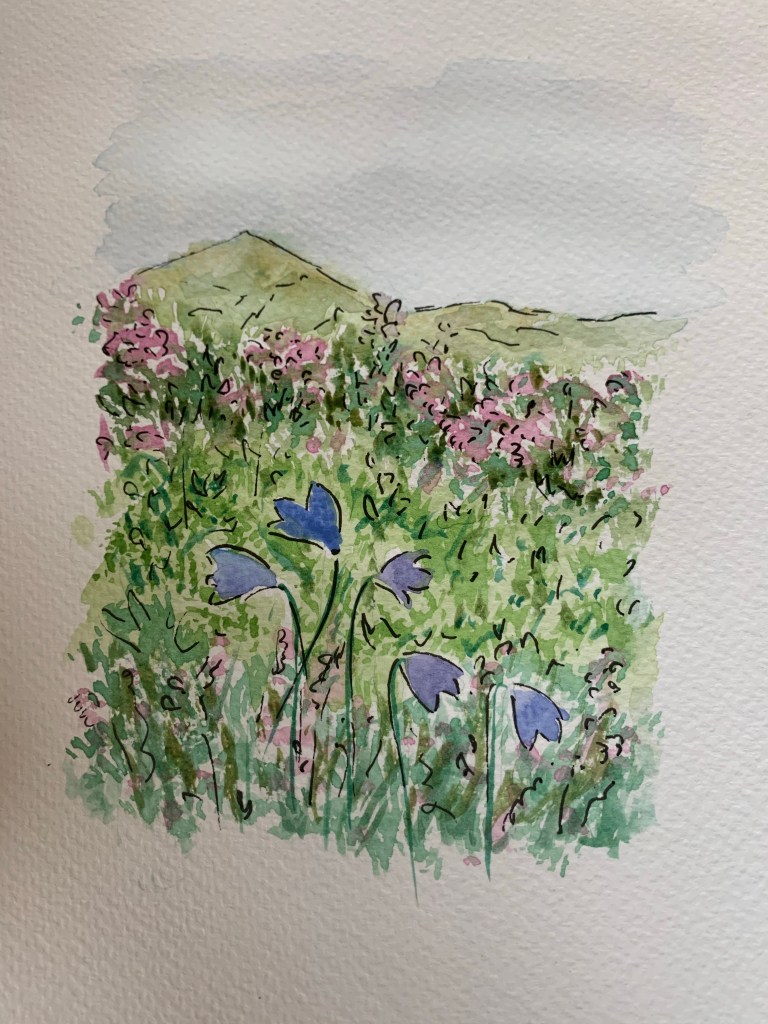
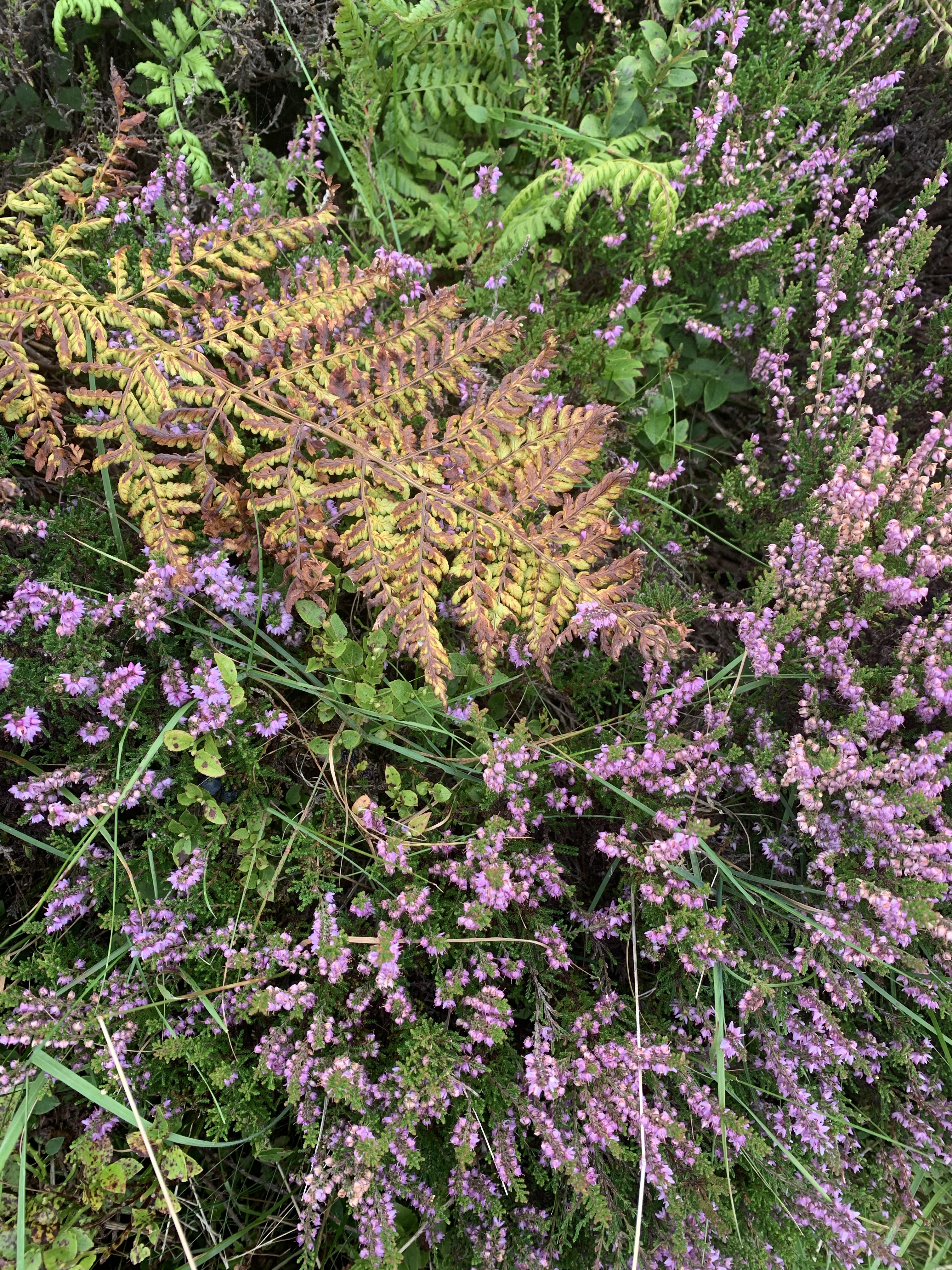
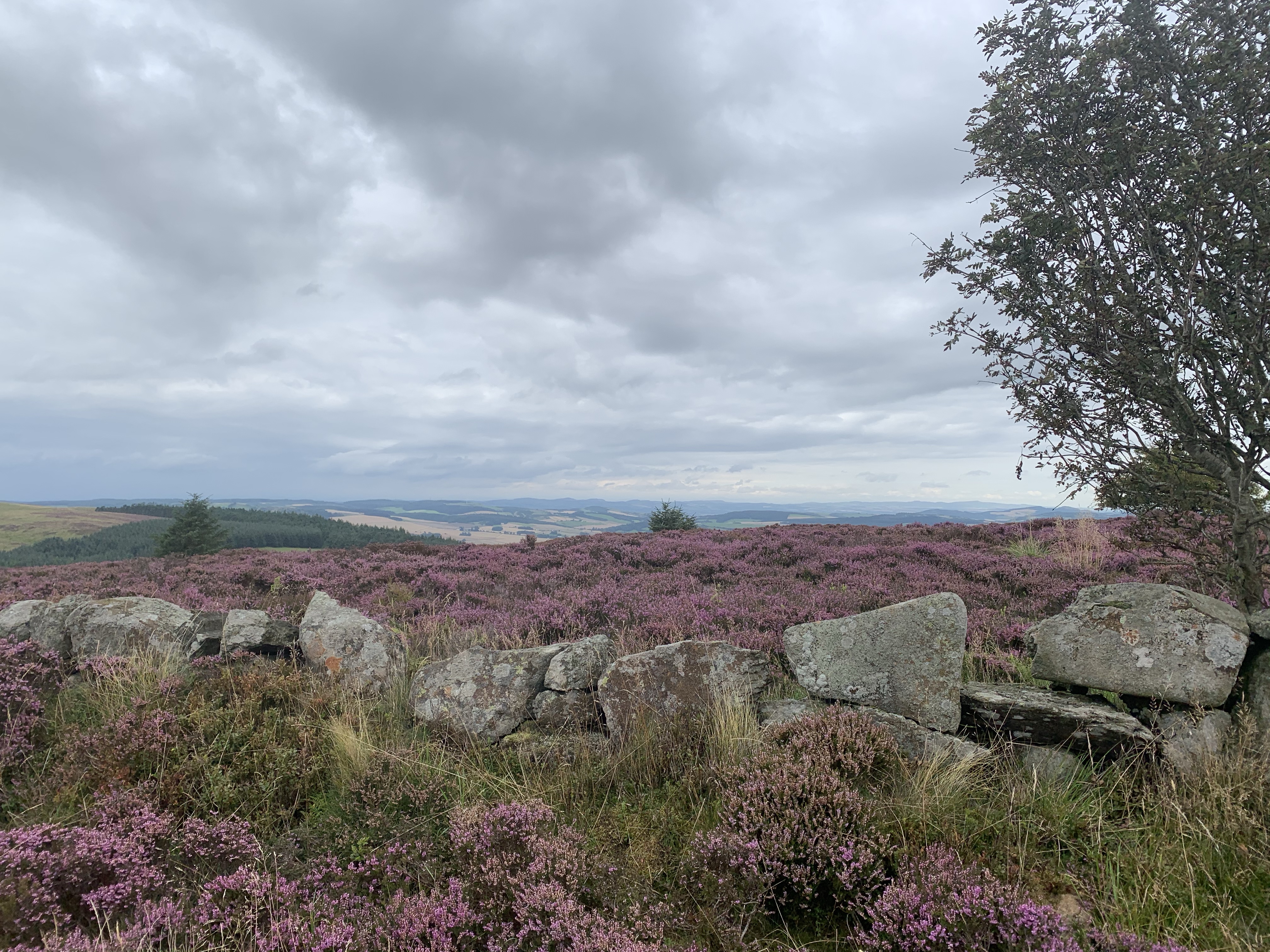
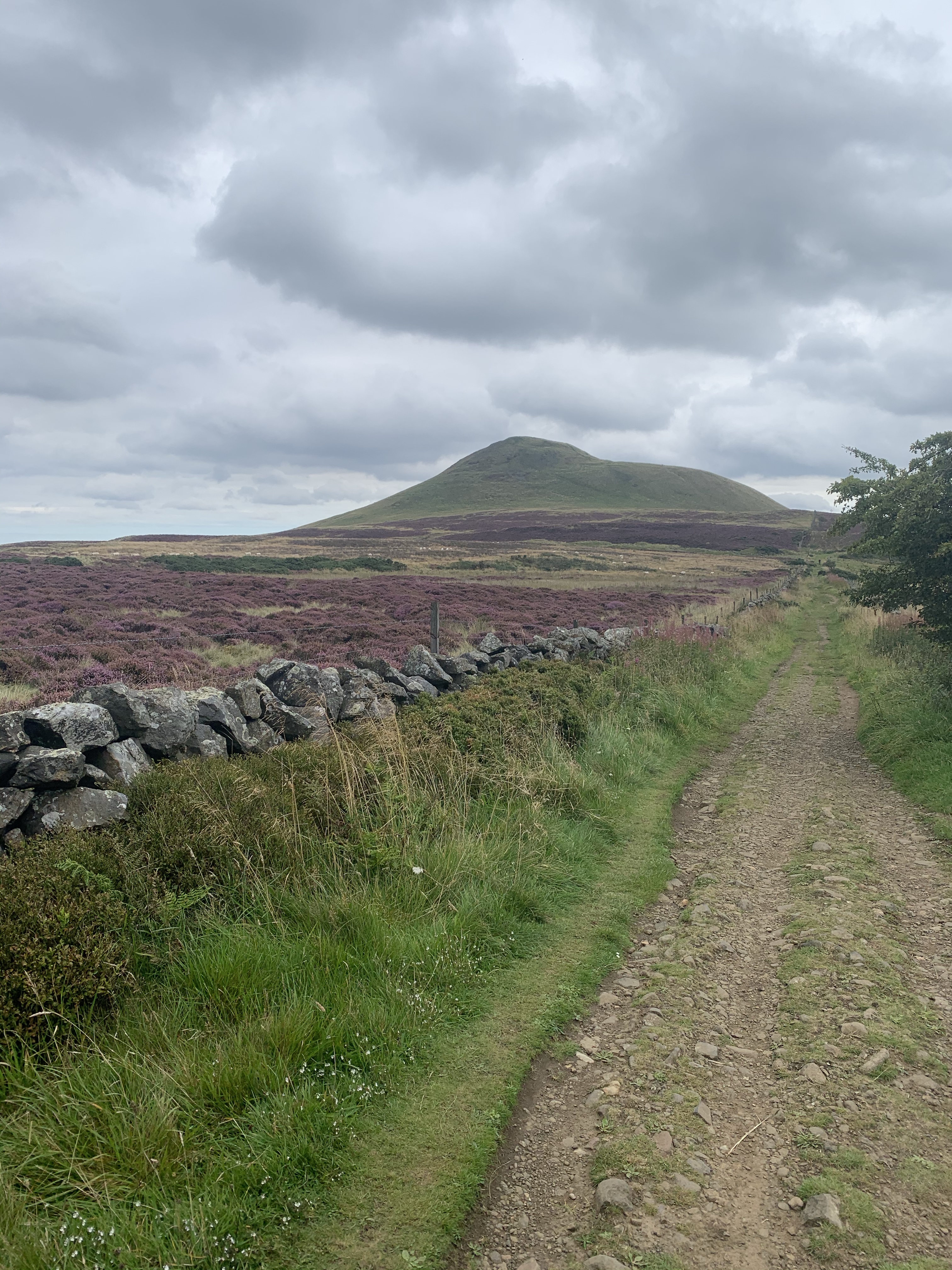
The pictures are from the Scottish Hills as a nod to John Muir’s birth place. I highly recommend a visit to John Muir Country Park if you are in the East Lothian area. My favourite beach is Ravensheugh Beach – also a place that the artist William Turner made some beautiful paintings and somewhere I will be visiting as soon as possible.
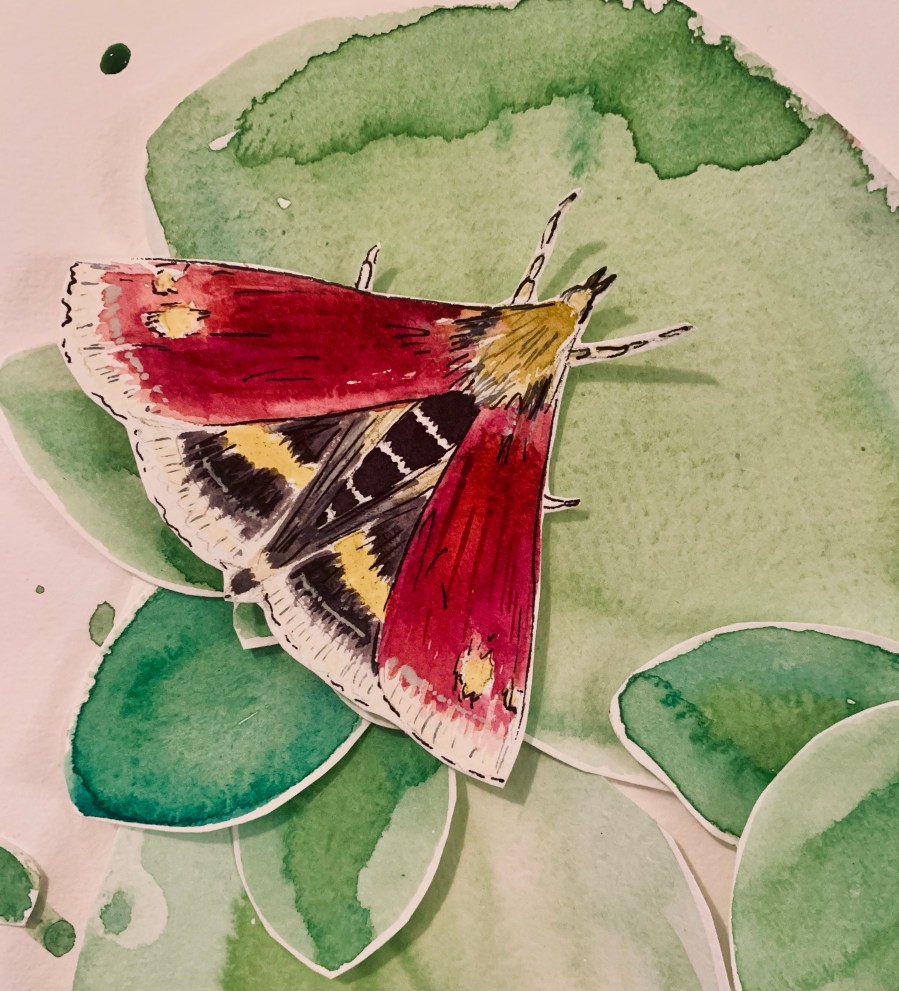
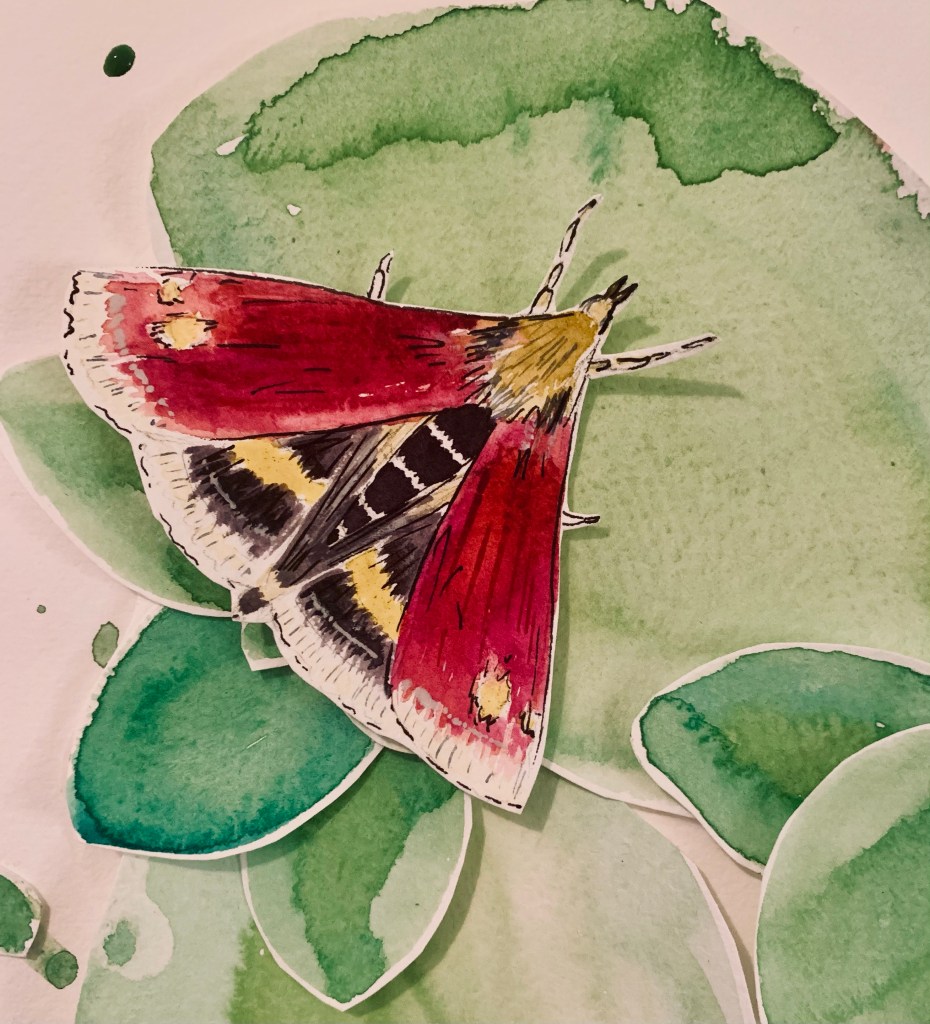
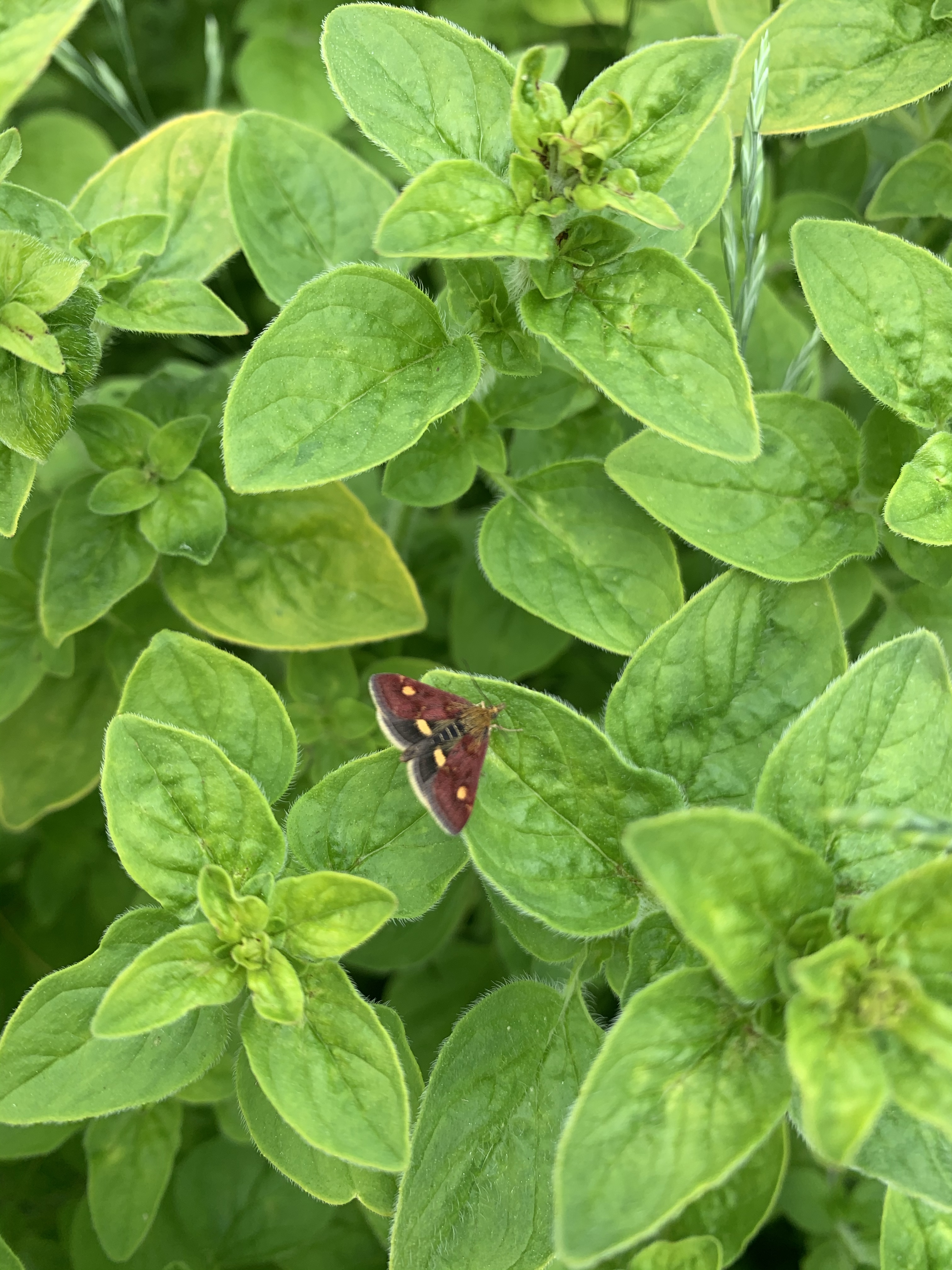
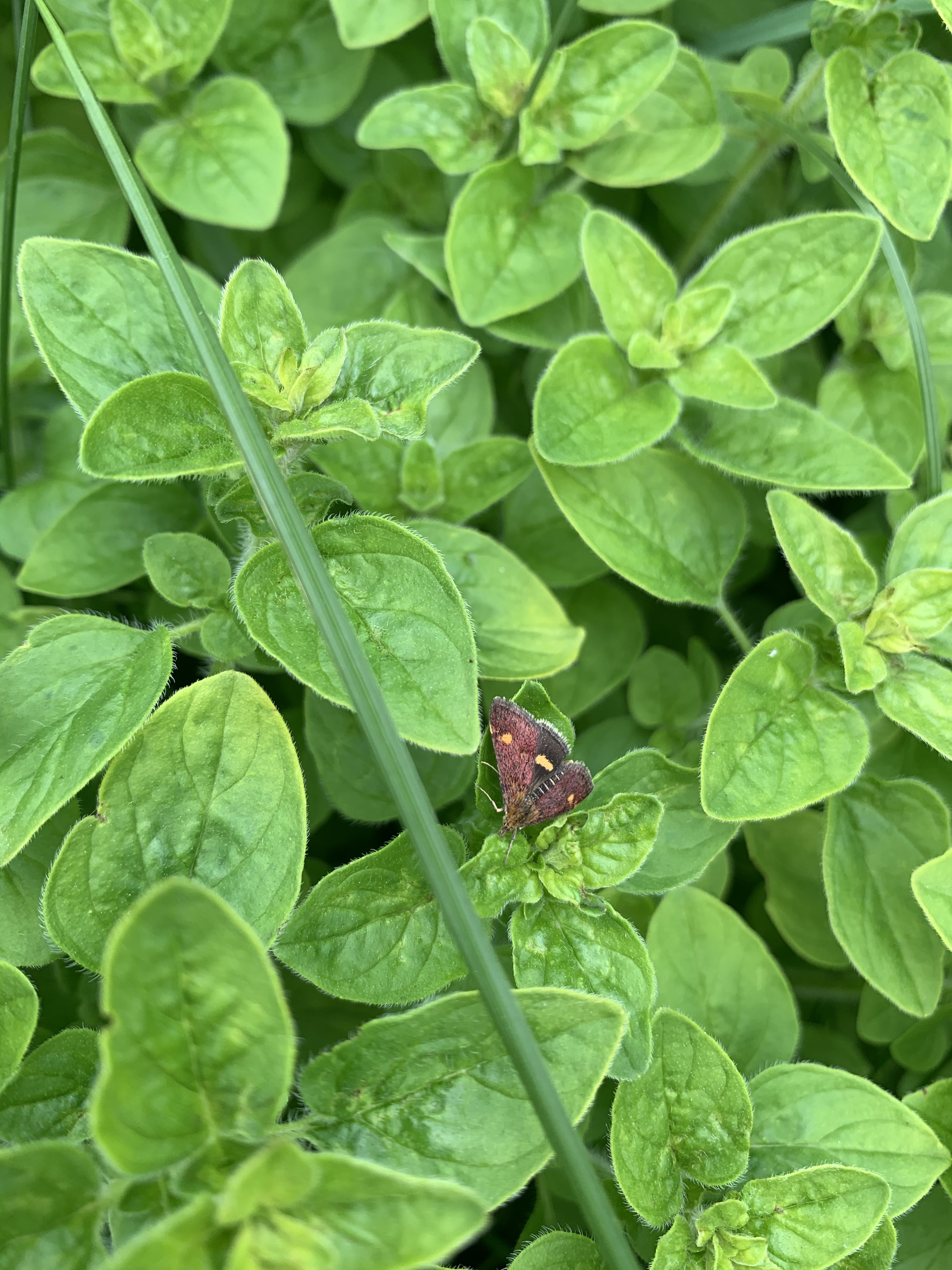
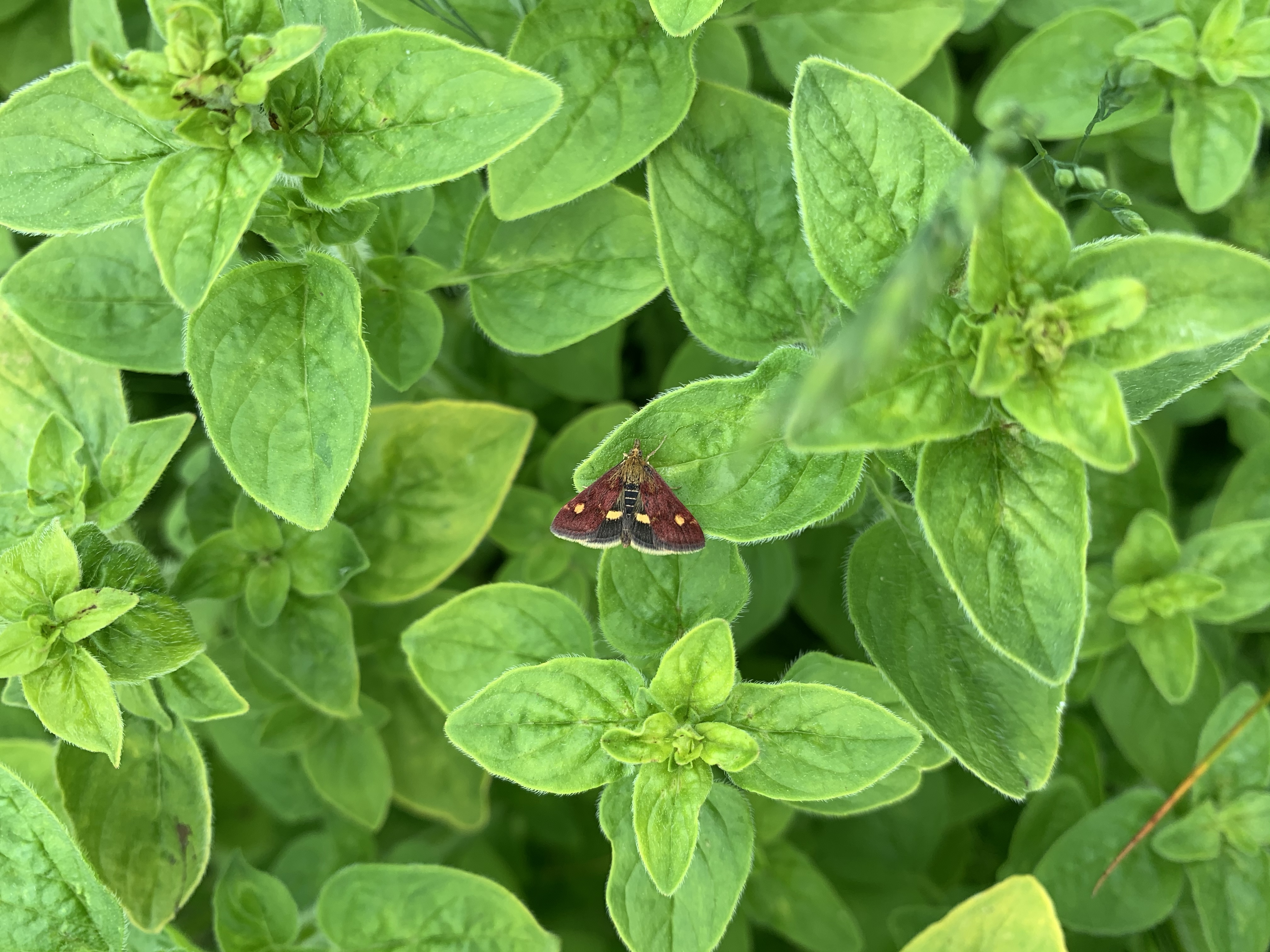
I was actually looking for frogs (for the children to inspect), when I stumbled over two of these stunning moths resting on the oregano in the allotment herb border.
About the size of a five pence piece , they are absolutely beautiful. Wings the colour of red velvet cake with lemon yellow splashes. The tips of the wings fading to light feathers.
I love the contrast of colours against the gem green of the plant. Just beautiful ❤️
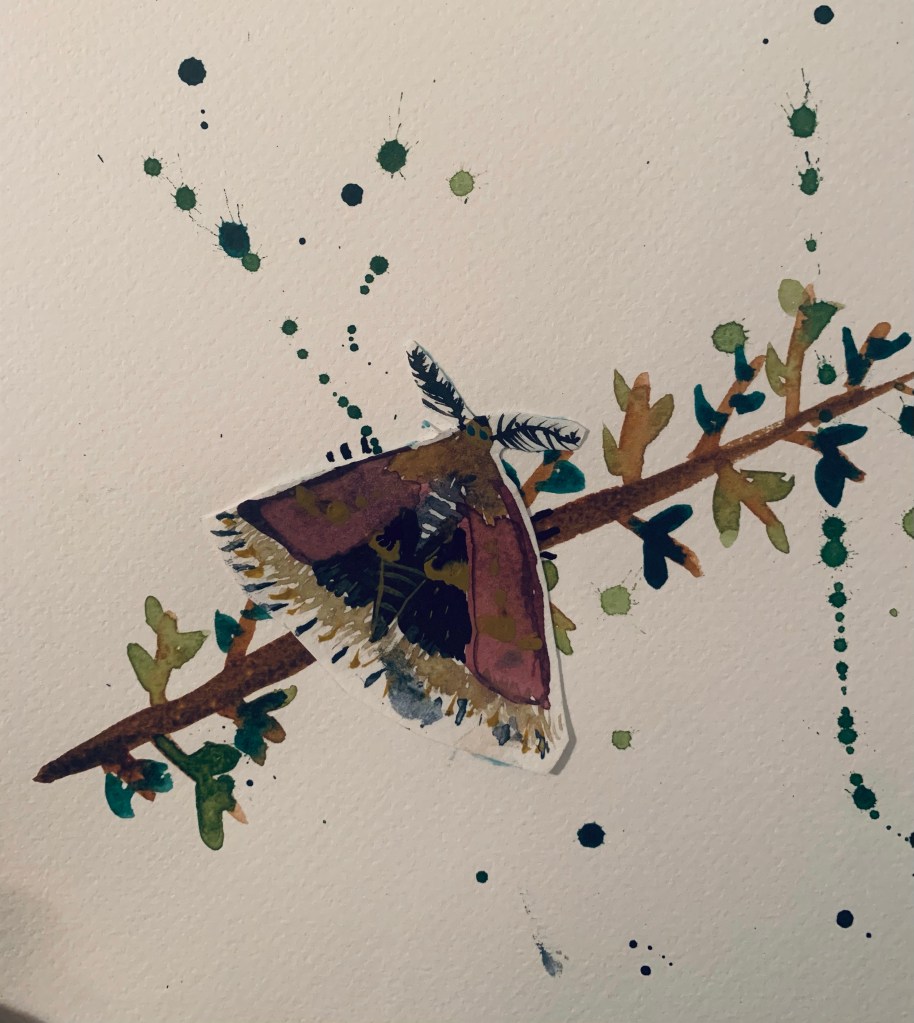
My daughter and I made moth inspired paintings after seeing them. It really helped me to appreciate the fine markings, I especially love the zebra stripes running across the main body.
Moths and butterflies are definitely the fashionistas of the natural world. Always such amazing patterns and colours.
Often blogs give the impression of a rosy, perfect life. We post only the edited things we want people to see. A magazine imprint of our lives.
Sometimes it is important to know that behind the scenes we are all human, we all have challenges and ups and downs.
This week my sister relapsed in mental health and was admitted to hospital. This has been a heart breaking journey, and one where I have had to realise I can support but I can not rescue. Like a traveller on a foreign shore, I am sending her love and support from a distance until a time when I am able to reach her in person and give her the biggest hug.
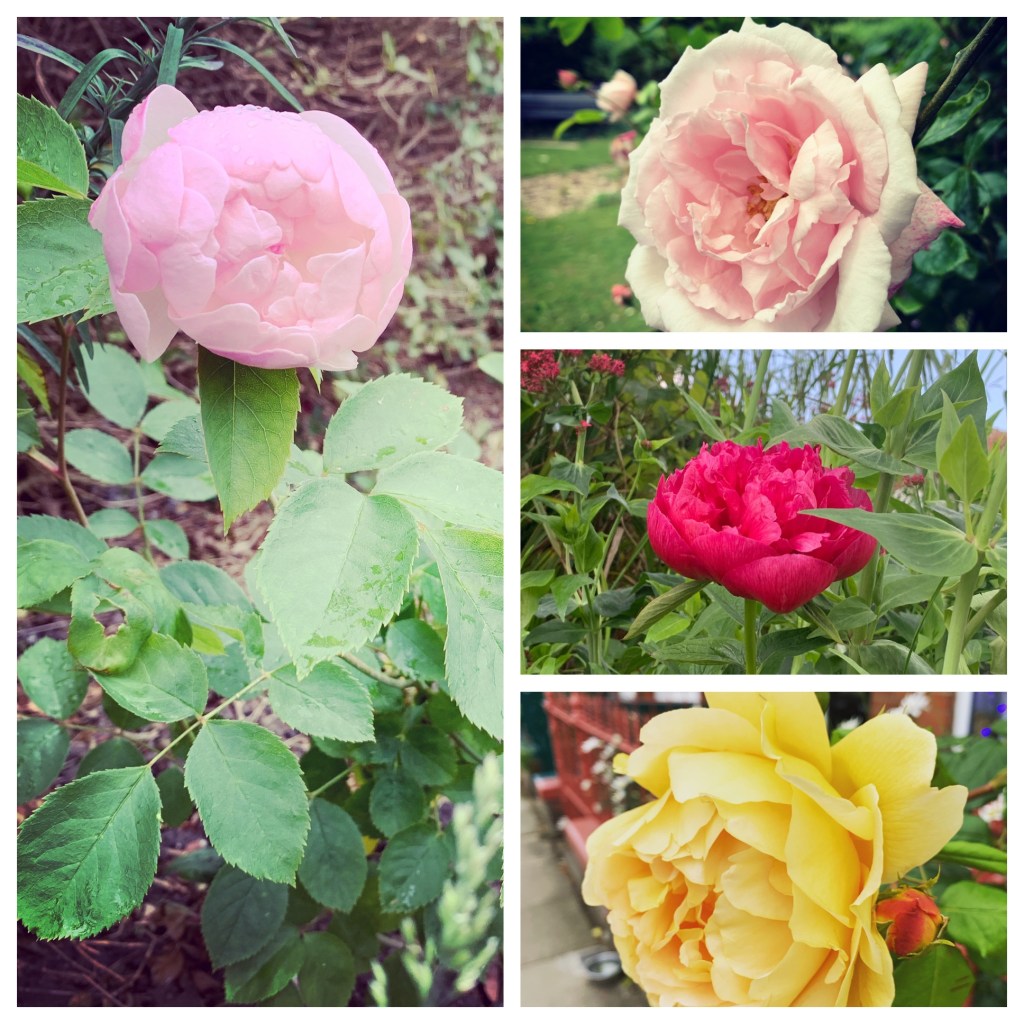
I am posting flowers daily on my social media so that at some point she will know that she is in my thoughts every day. Mental health is hard on so many levels. Devastating for the individual experiencing it, devastating for the family left behind. My heart goes out to anyone reading this with lived experience of mental health and anyone supporting or caring for someone in this situation. A big shout out also to all the health professionals helping in very stretched services.
For any other siblings in a similar situation: Rethink run a fantastic Sibling Network you can find here.
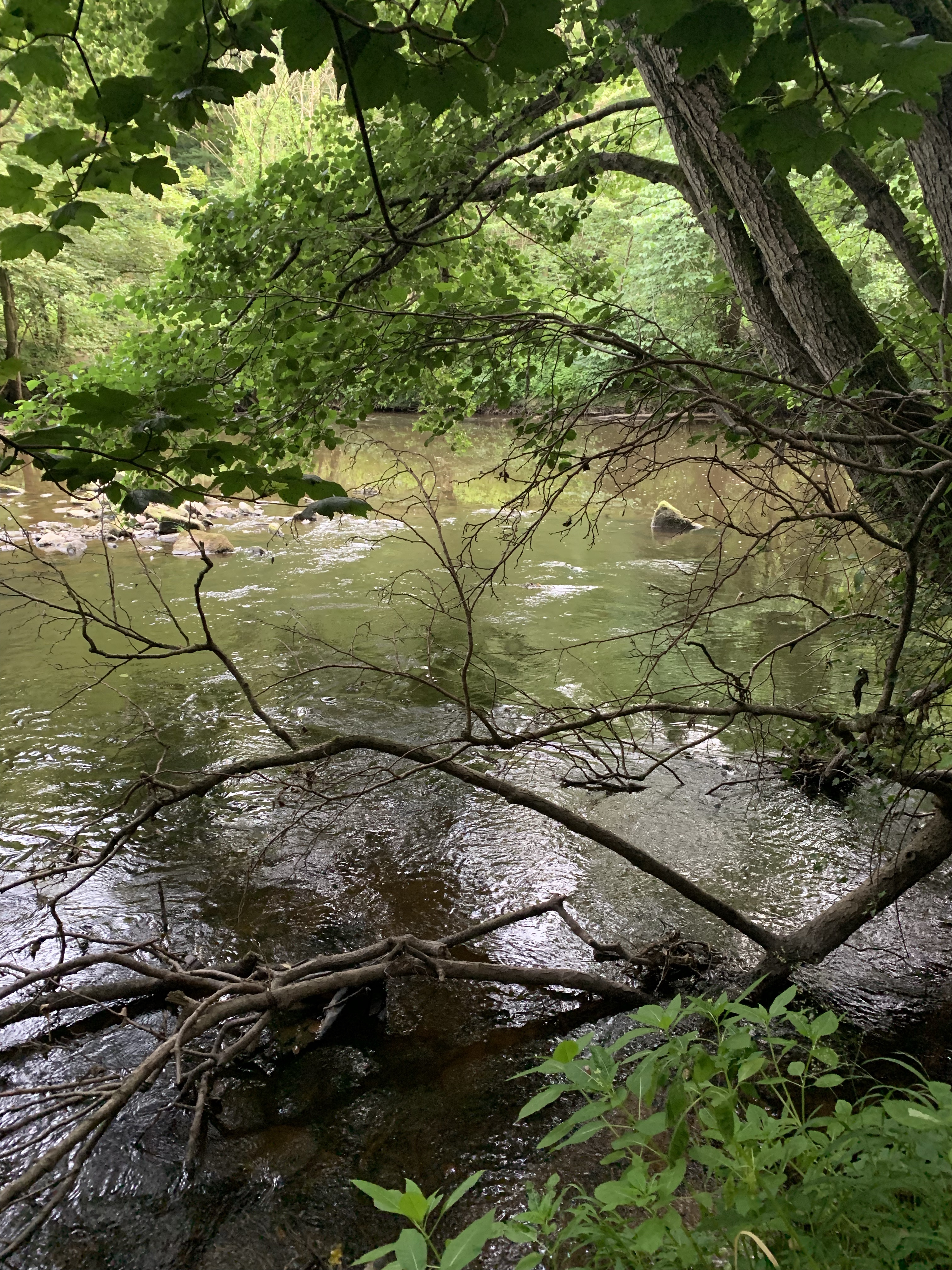
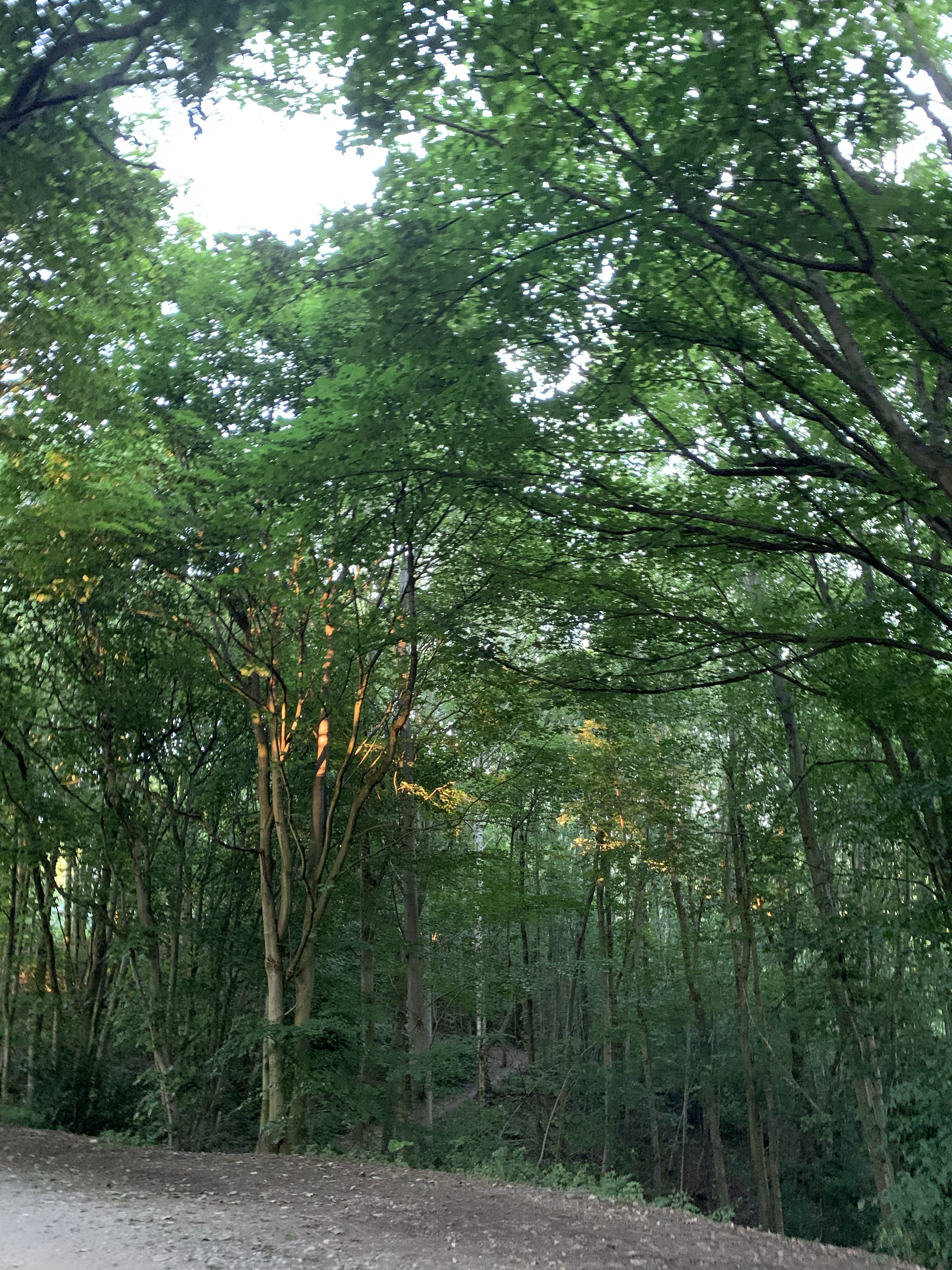
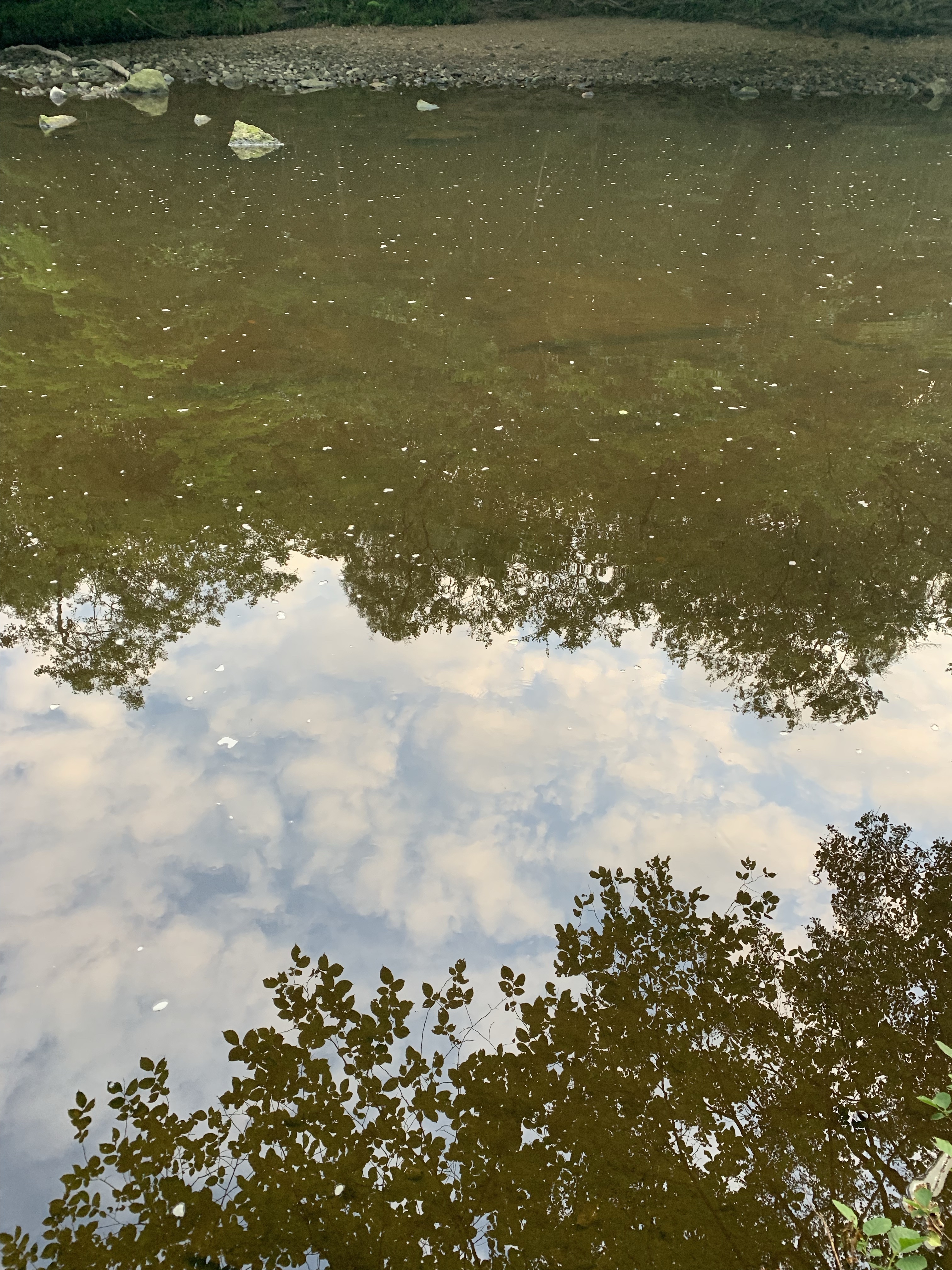
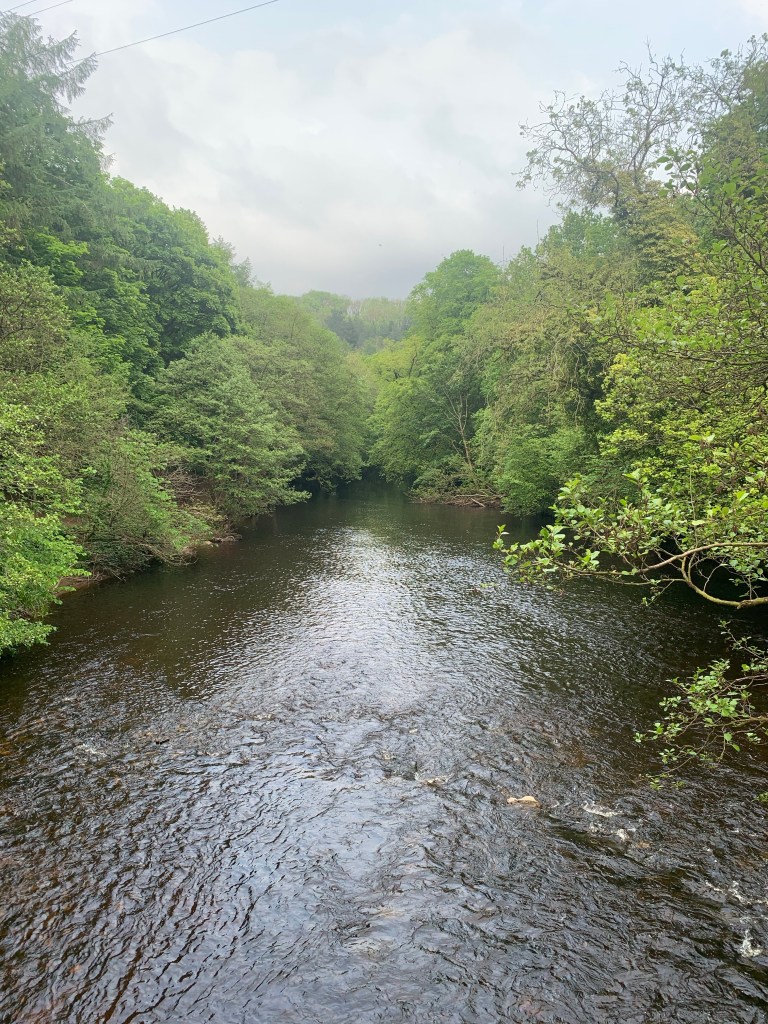
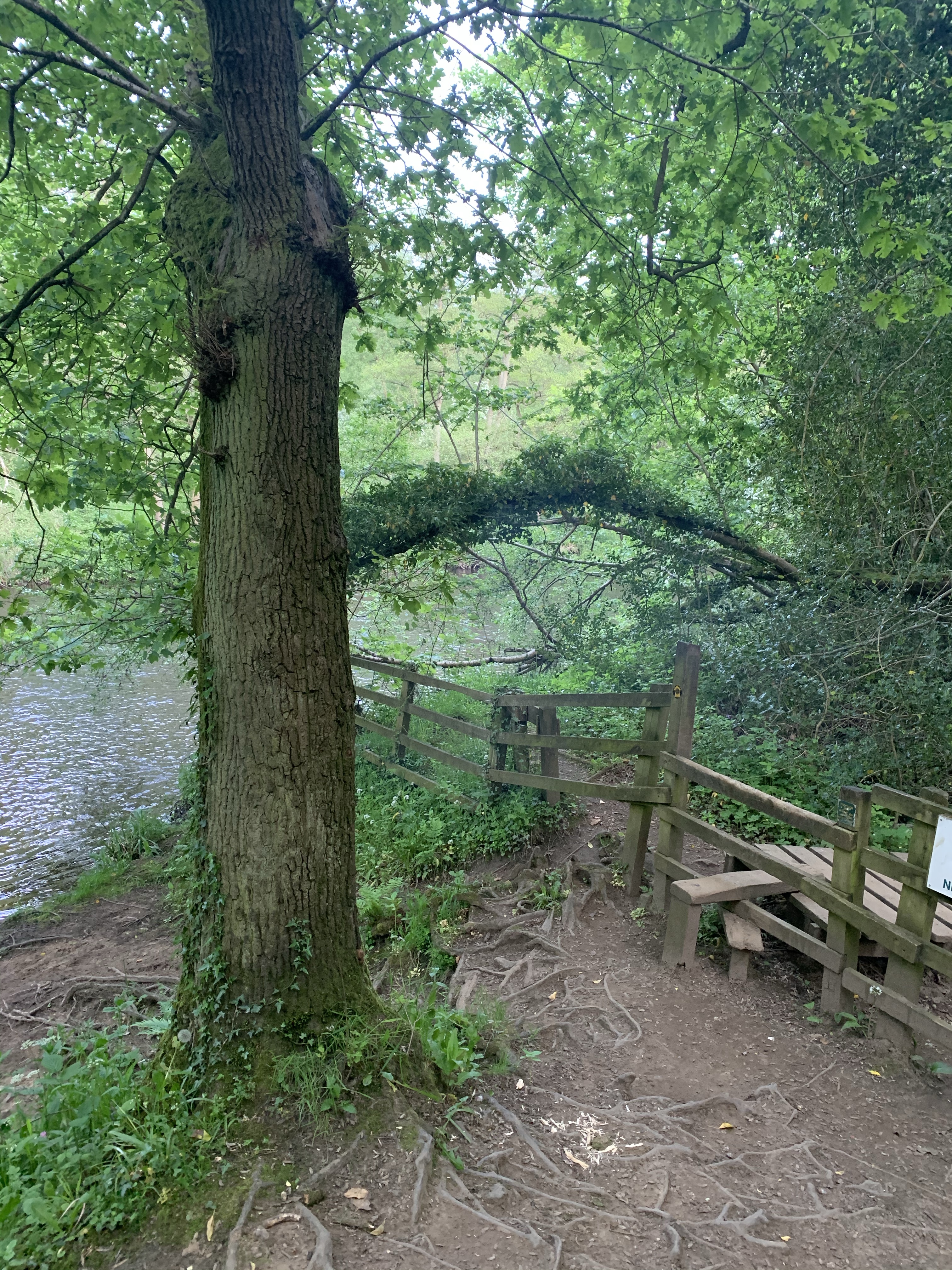
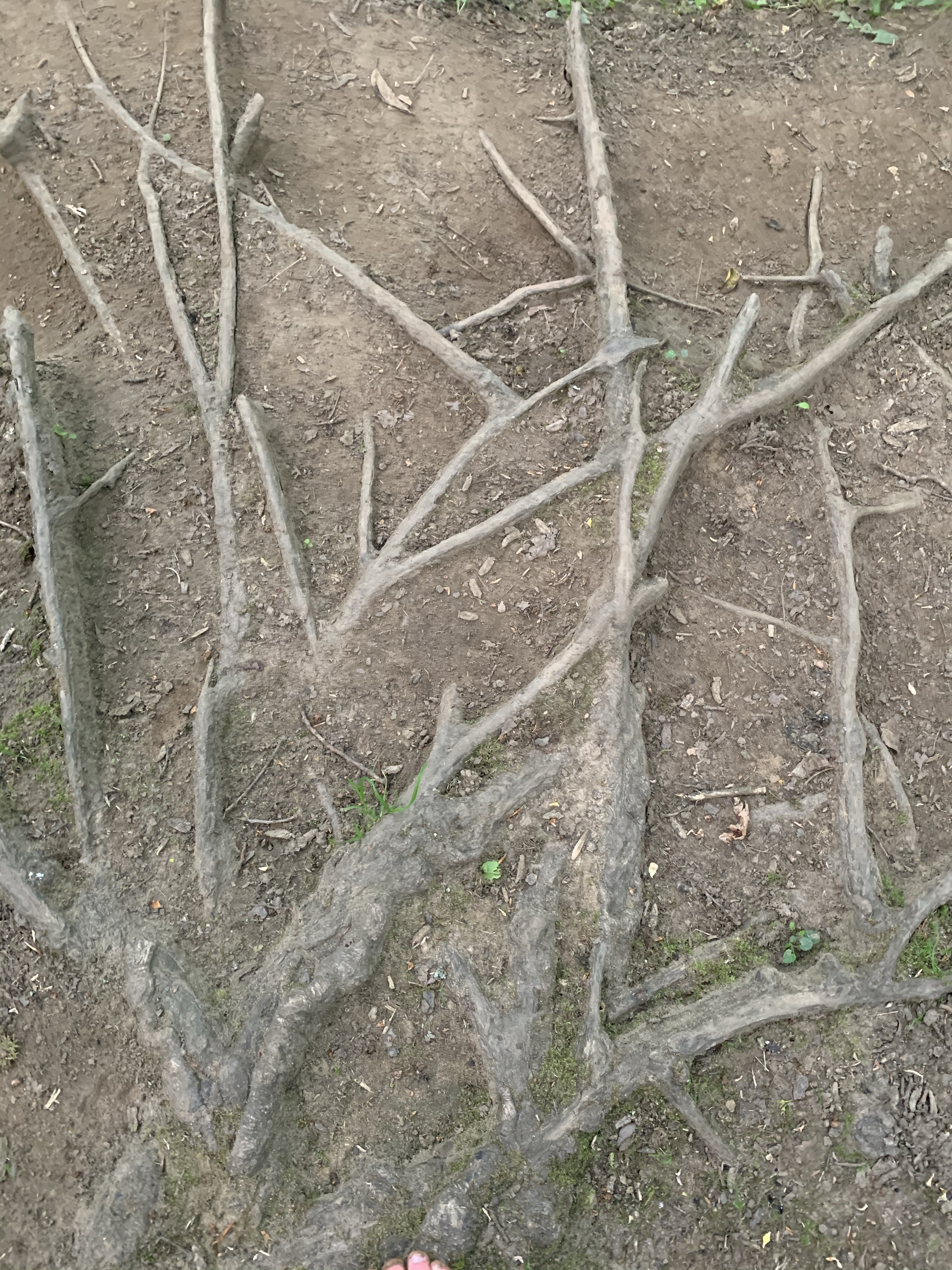
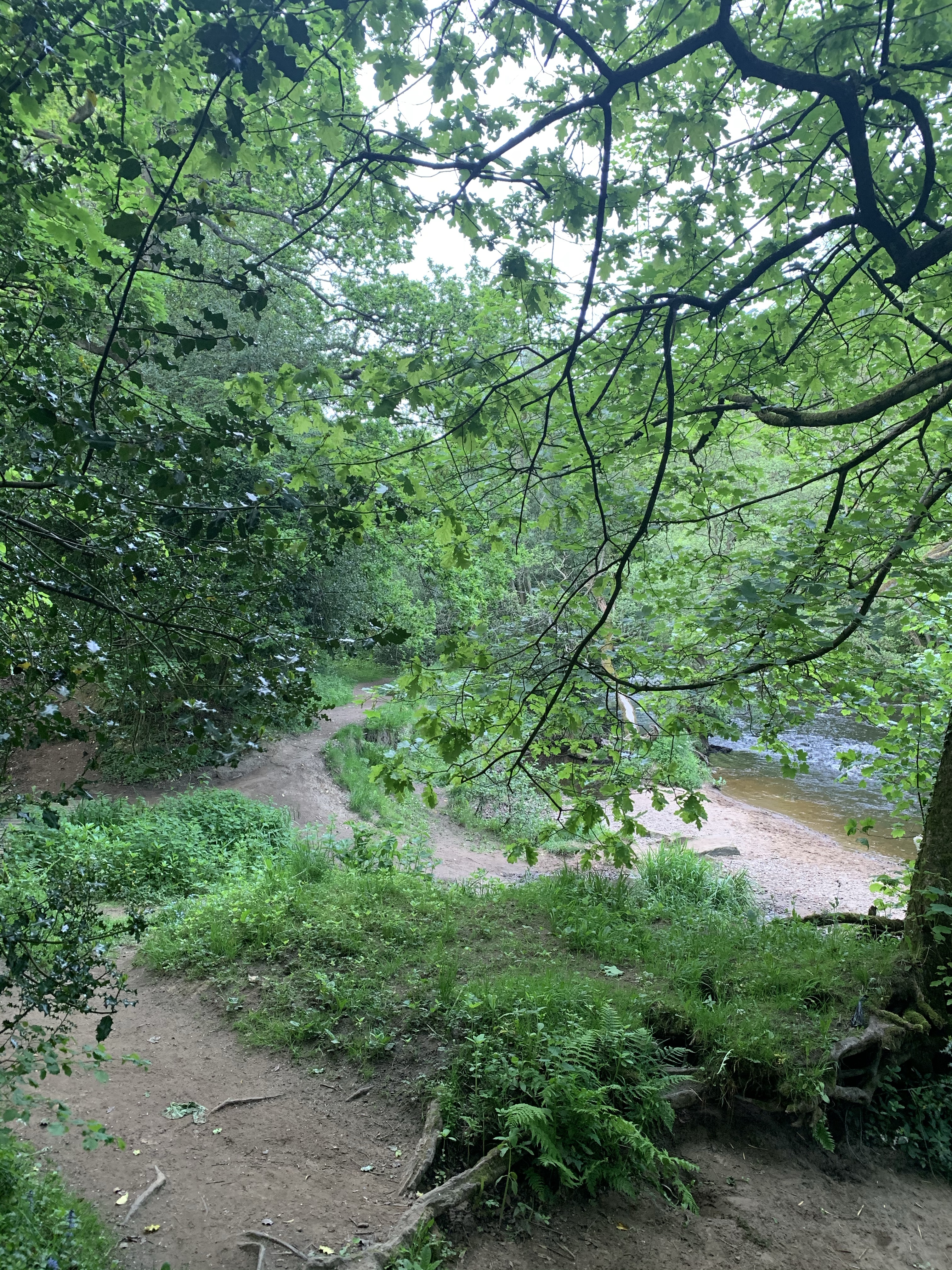
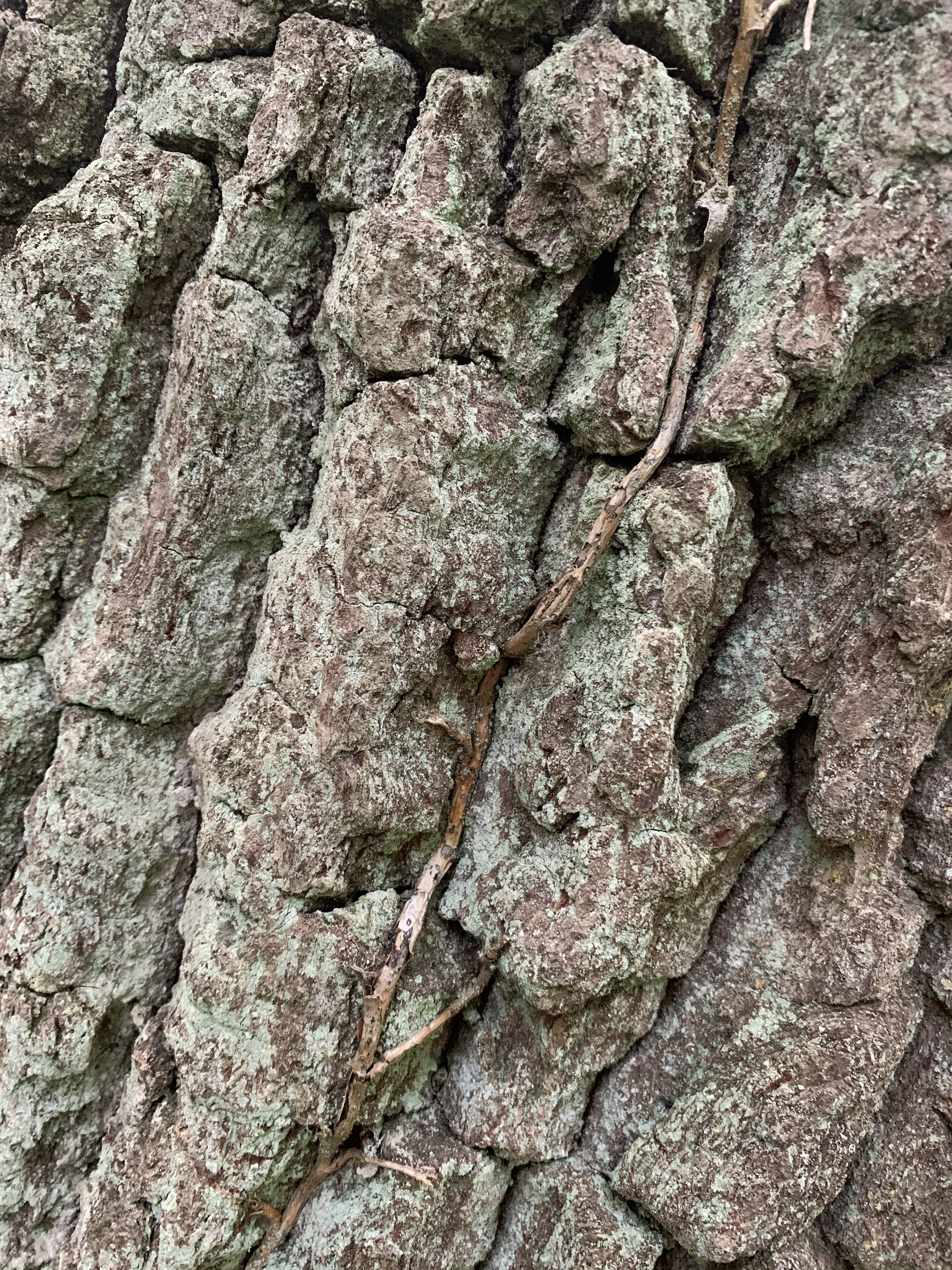
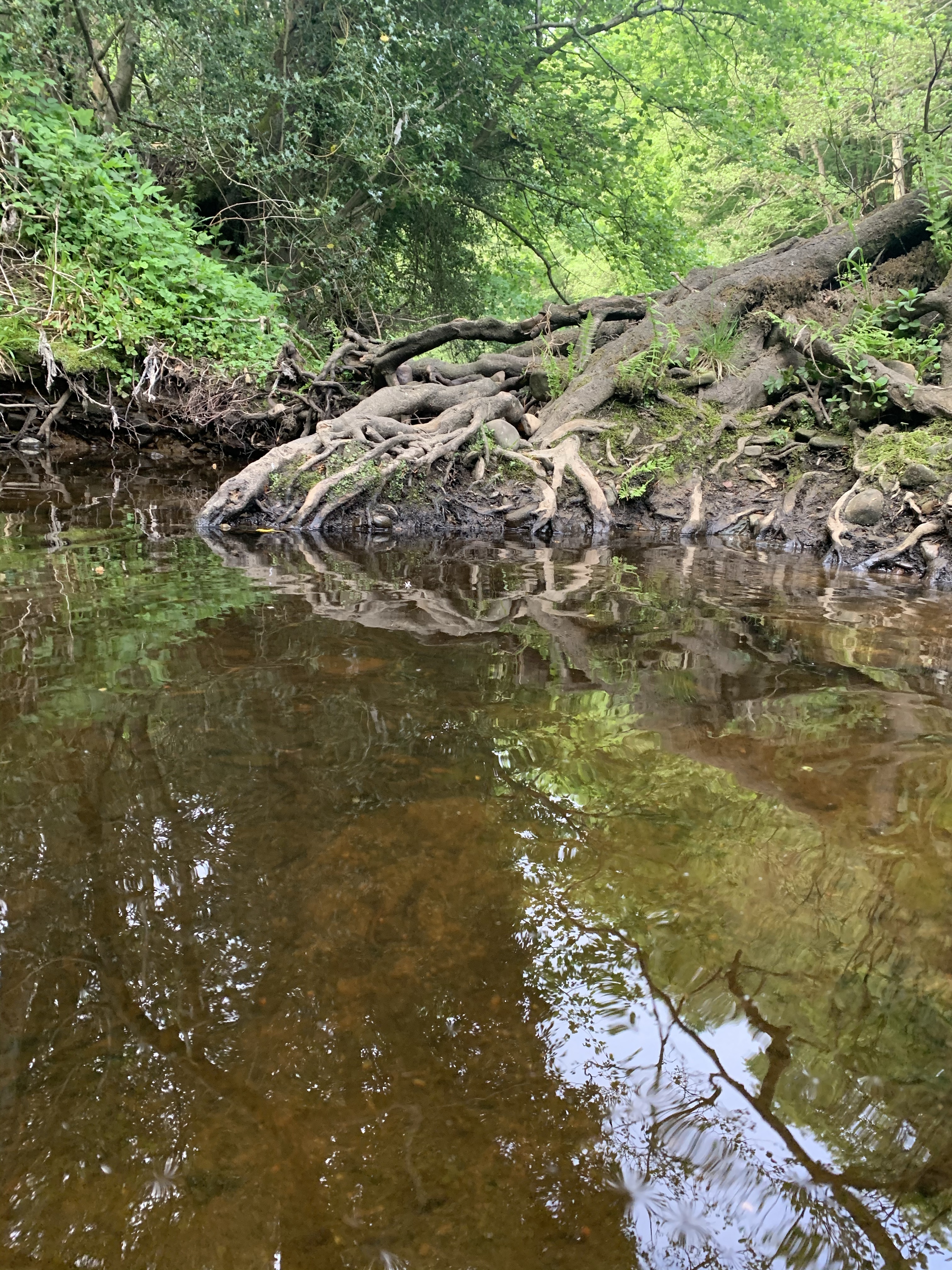
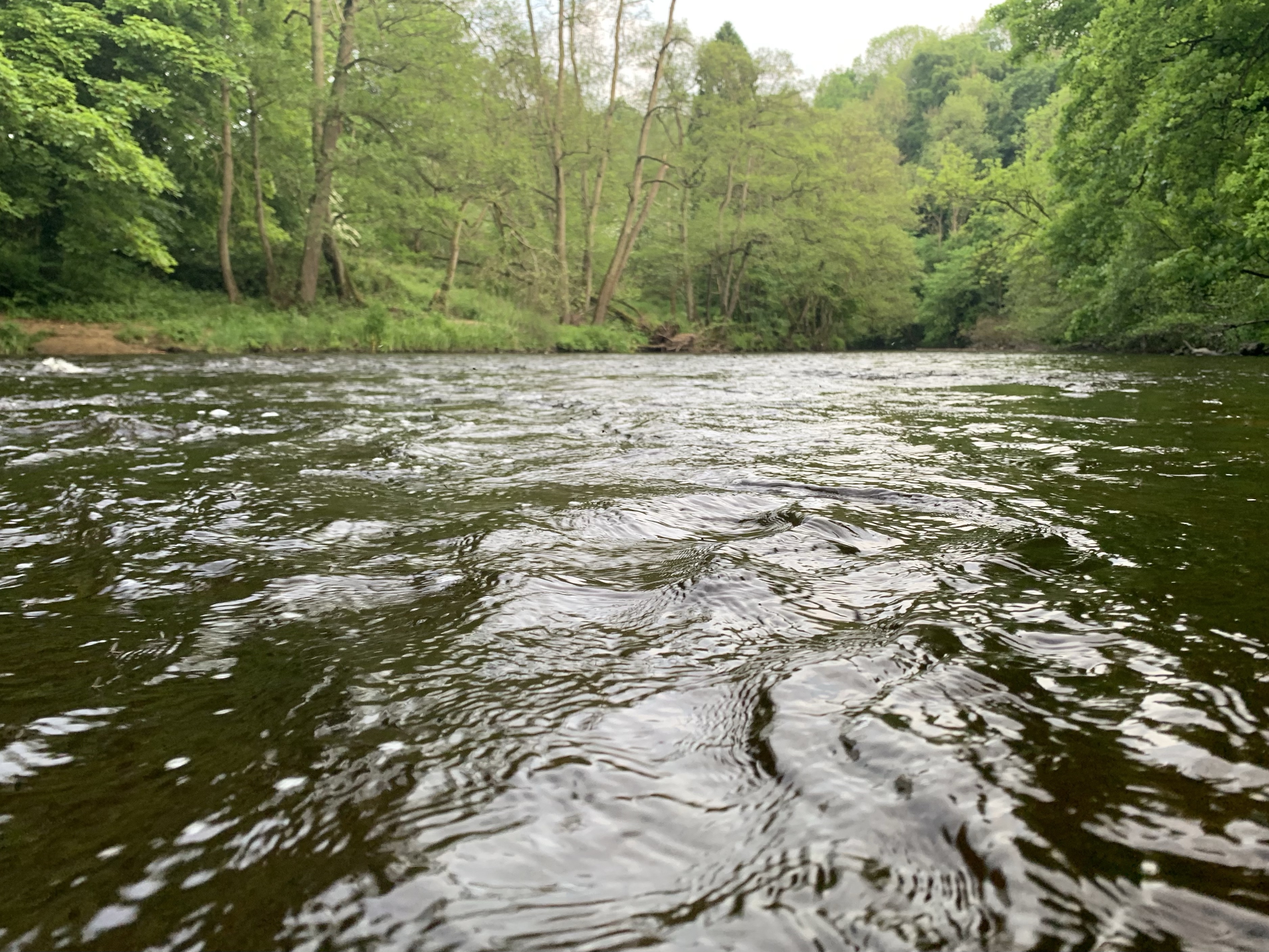
This weeks adventure from Base Camp was to The River Nidd Gorge. Shallow enough for river swimming and quiet enough to hear nothing but bird song and rushing water.
We like to go in the early evening when the day walkers are returning home. I love the way the evening light filters through the trees. This week it was misty when we arrived adding an ethereal feel to the valley.
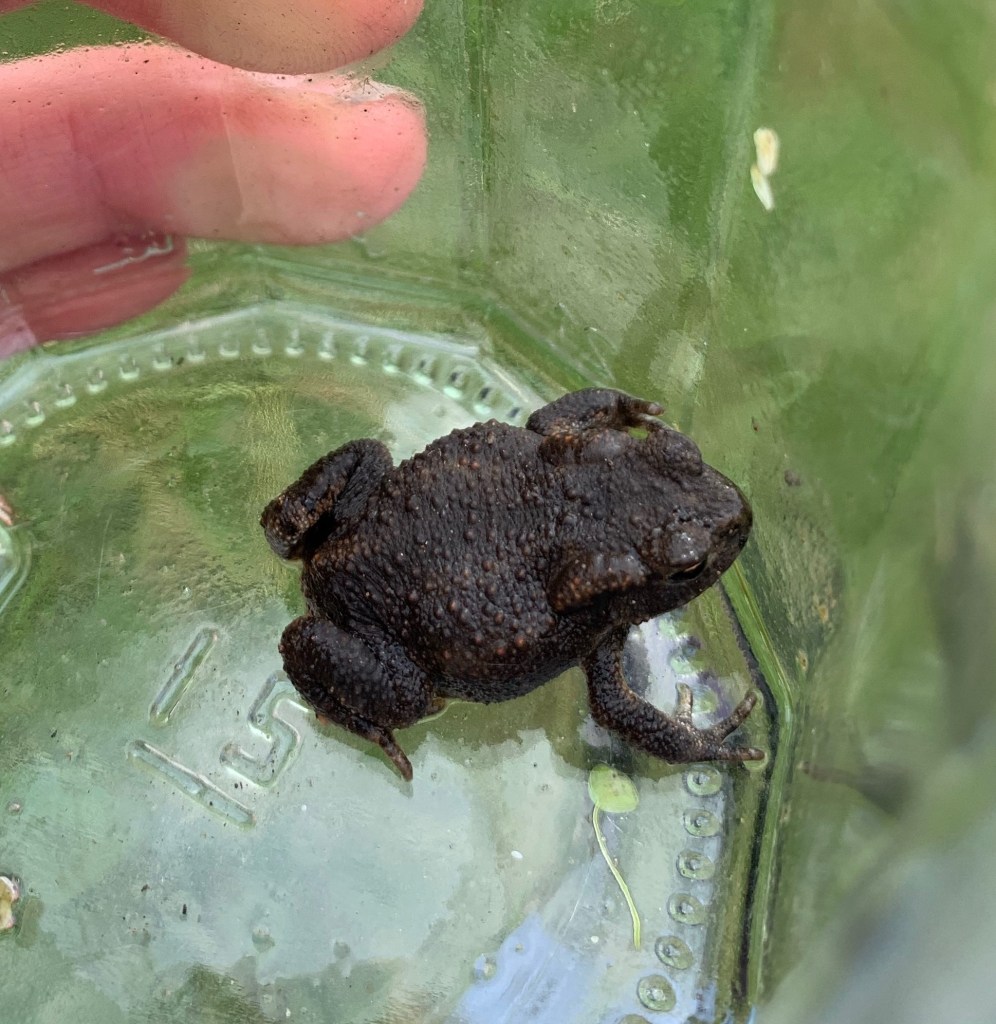
This week I was delighted when my daughter found a baby toad under a patch of grass on the allotment. A beautiful little creature, satisfyingly compact and full of character. (Don’t worry he was safely returned to his hiding place a few moments later).
I was doubly delighted to discover the poem Toad by Norman MacCaig via a Twitter feed. The last verse of the poem reads:
A jewel in your head? Toad,
you've put one in mine,
a tiny radiance in a dark place.
I love a poem that raises questions. ‘A jewel in the head?’ had me intrigued. A quick google later I discovered there is such a thing as a ‘toadstone’ a highly polished stone which was thought in medieval times to hold magical powers and act as an amulet. They are in fact fossilised fish teeth! There is a great article here if you want the technical fossil info.
A toad stone was thought to sweat if venom or poison was detected and protect the wearer from the effects. My favourite part of the information on the ‘Wartski’ web page is that in ‘1658 the English cleric Edward Topsell suggested a method of harvesting toadstones by placing a toad on a red cloth and waiting for it to cough up the stone.’
Fascinating!
I once read of a toad that lived in an enclosed courtyard in France for 50 years, quite happily, it sounds like an urban myth, if only I could find the article again! Ah well 🙂 I will satisfy myself with the thought of magical toadstone amulets instead.