I’ve decided on a new term, ‘Cormoranting’.
Many months ago during a Field Studies Council course one of my writers wrote a beautiful poem about the lessons we can learn from nature. In the work she used the cormorant as a metaphor for coming out of difficult or challenging life situations when, just like the cormorant we must spread out our wings and rest. This is a habit of cormorants who dive so deeply that their wings become saturated and they must dry them out between swims.
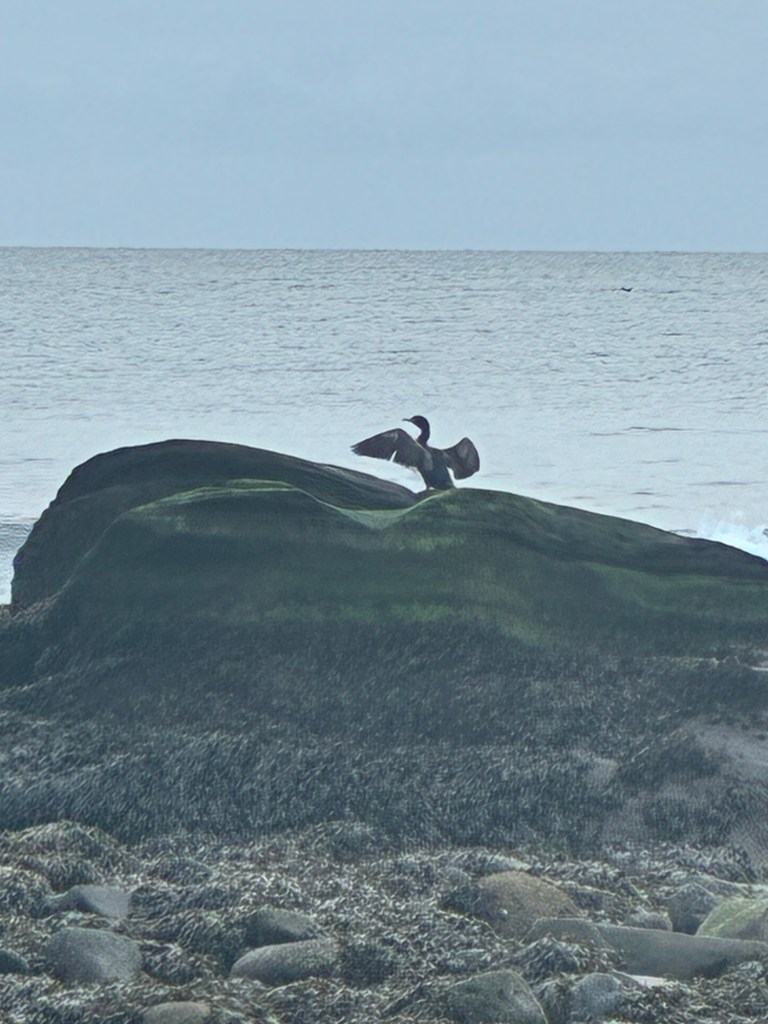
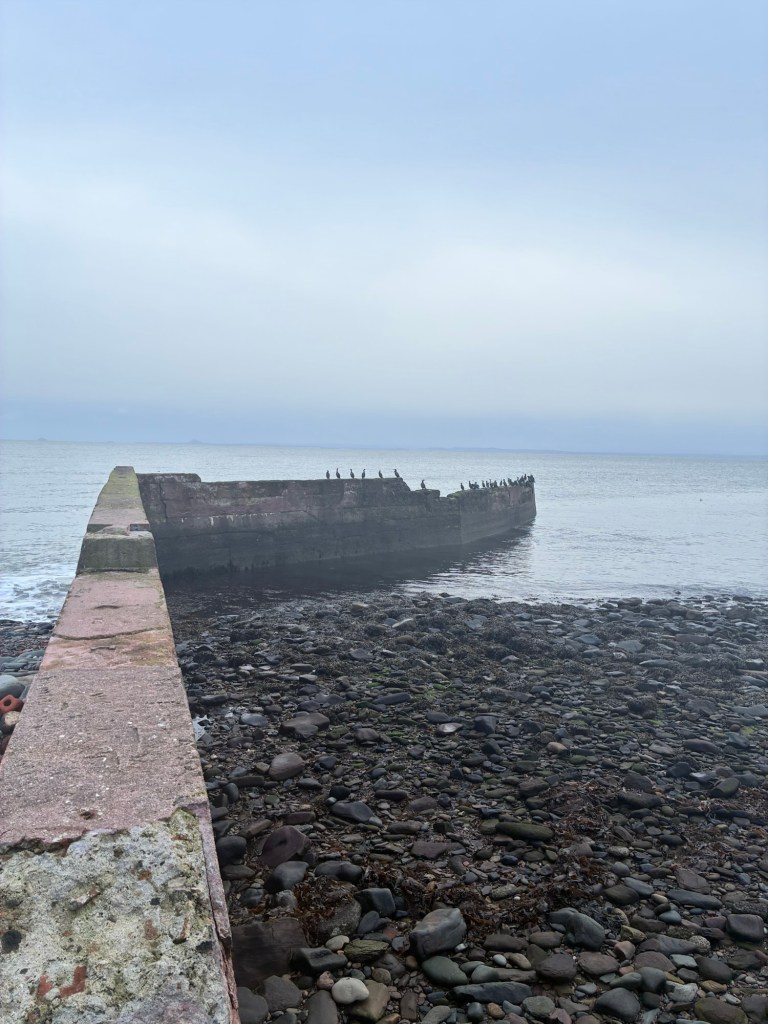
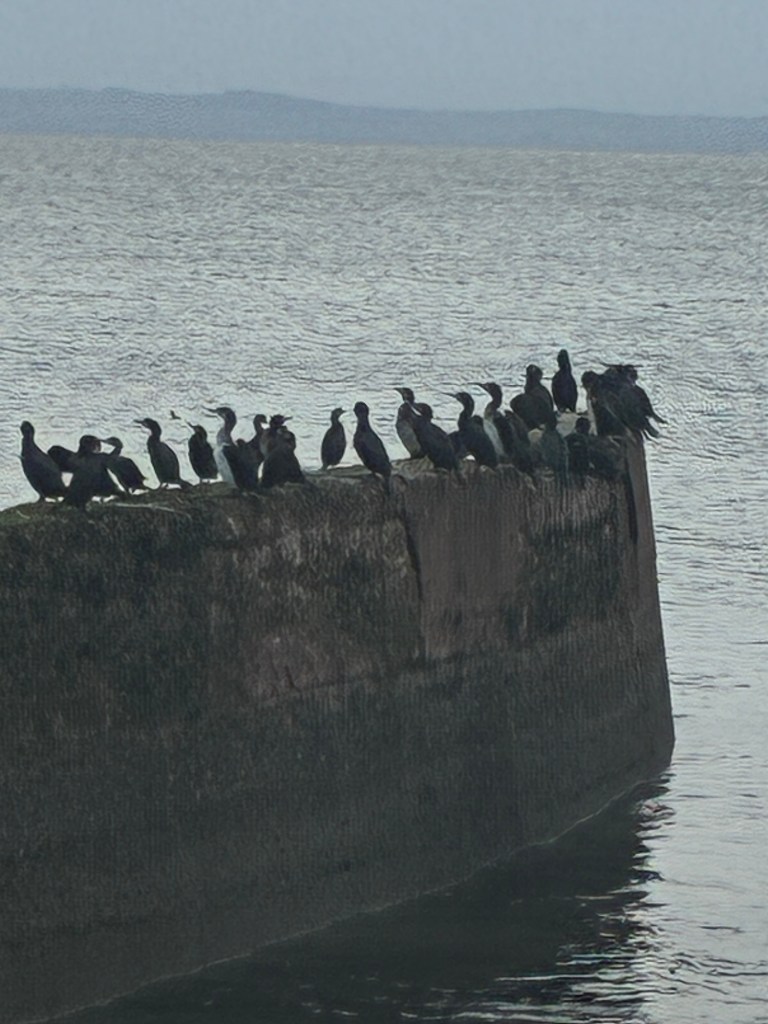
Edit – I assumed the birds that I see on our trips to Scotland were cormorants. They use an old jetty to line up together. I discovered since writing this post that the birds pictured here are a similar species called Shags. They are similar to cormorants but smaller. Like cormorants there’s something quite strange and prehistoric about them. I love their shape and long necks.
I always thought cormorants dived from a height like gannets, but a little research shows that there is no need for this. They are incredibly agile underwater so can swim great depths without the need for an initial plummet. Their bones are heavier than other bird species allowing them to reach deeper water and hidden places. Their feathers become waterlogged after such swims (as do the Shags) so they must dry them off before another swim.
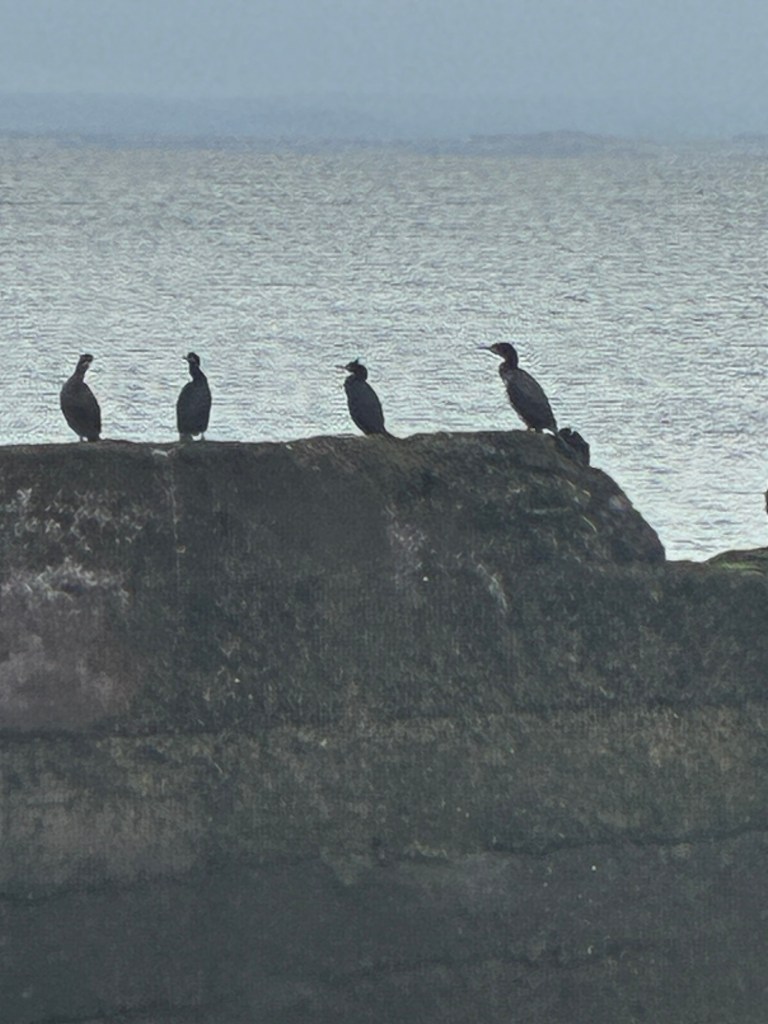
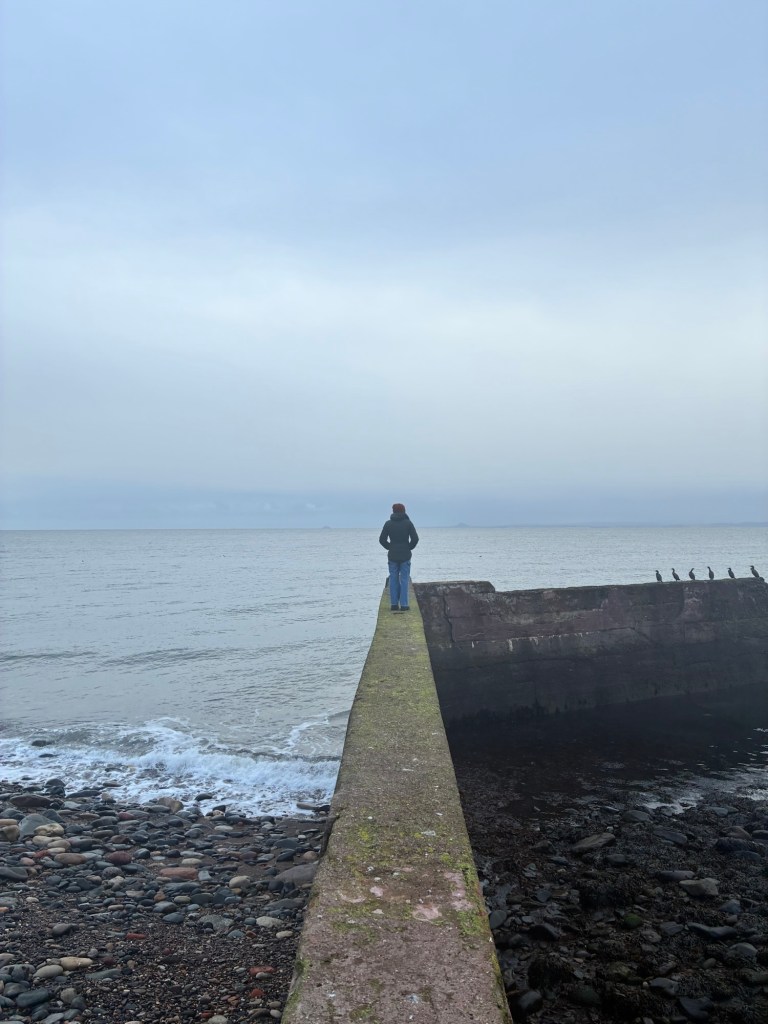
The strange thing is, I’ve recently noticed a colony of cormorants high up in the trees along the river Ouse in York. It started with one, so strange and out of place, to now 10 or 12 in the one tree at any given time. They are usually there as I cycle to work – prompting my husband and I to have started a funny text exchange of ‘12 today’ or ‘only 2 this morning’ on arrival at work.
Apparently cormorants are increasingly moving inland, no one is quite sure why. Perhaps food is depleting on the coastlines? Or they are simply venturing to new places for food sources, like seagulls who now are a familiar site inland.
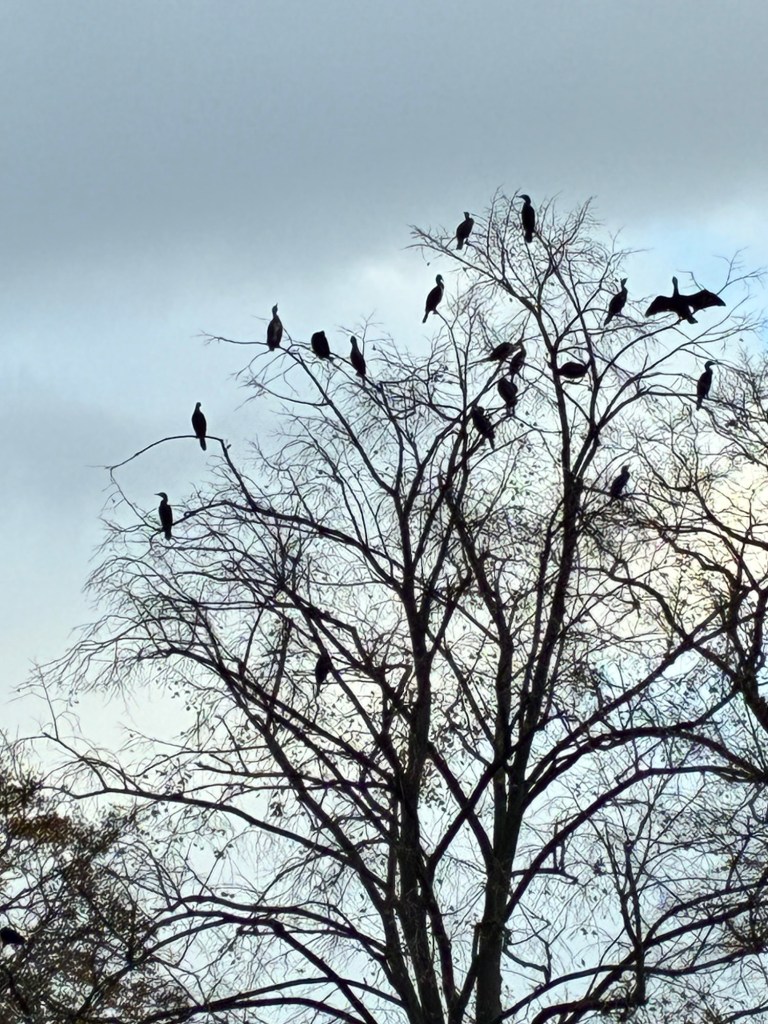
Whatever the reason I’m happy to see them. They are so strange and beautiful. My friend commented that they look like the work of Franz Sedlacek Ghosts on a Tree – a painting of magical realism – you can view the painting here .
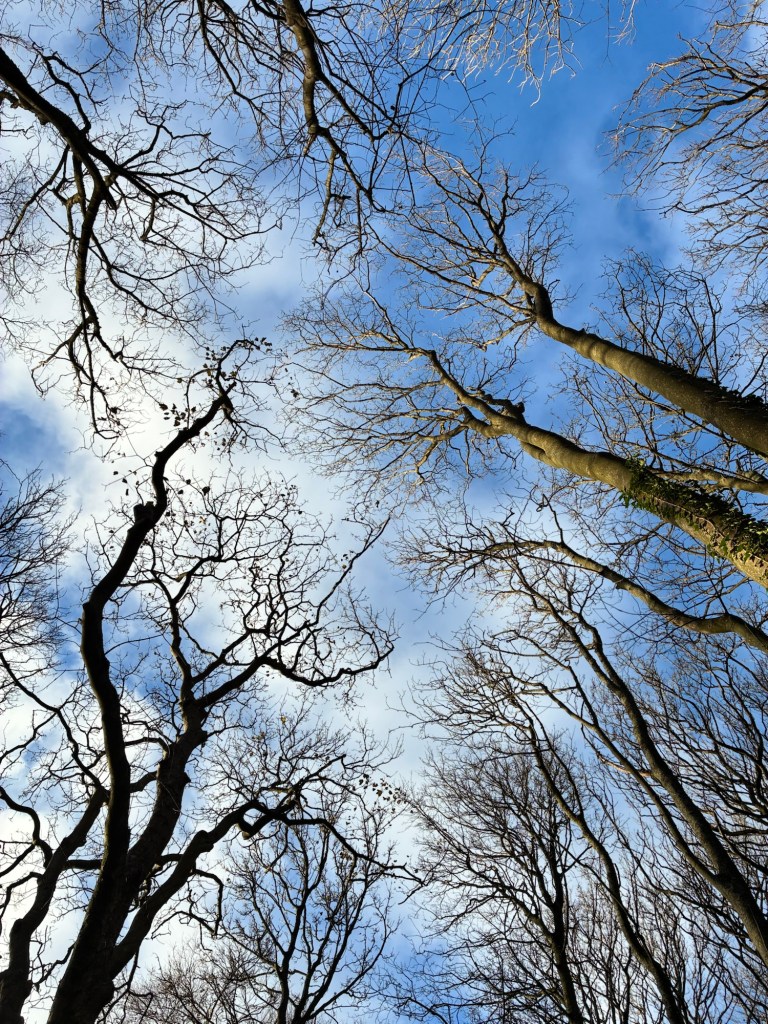
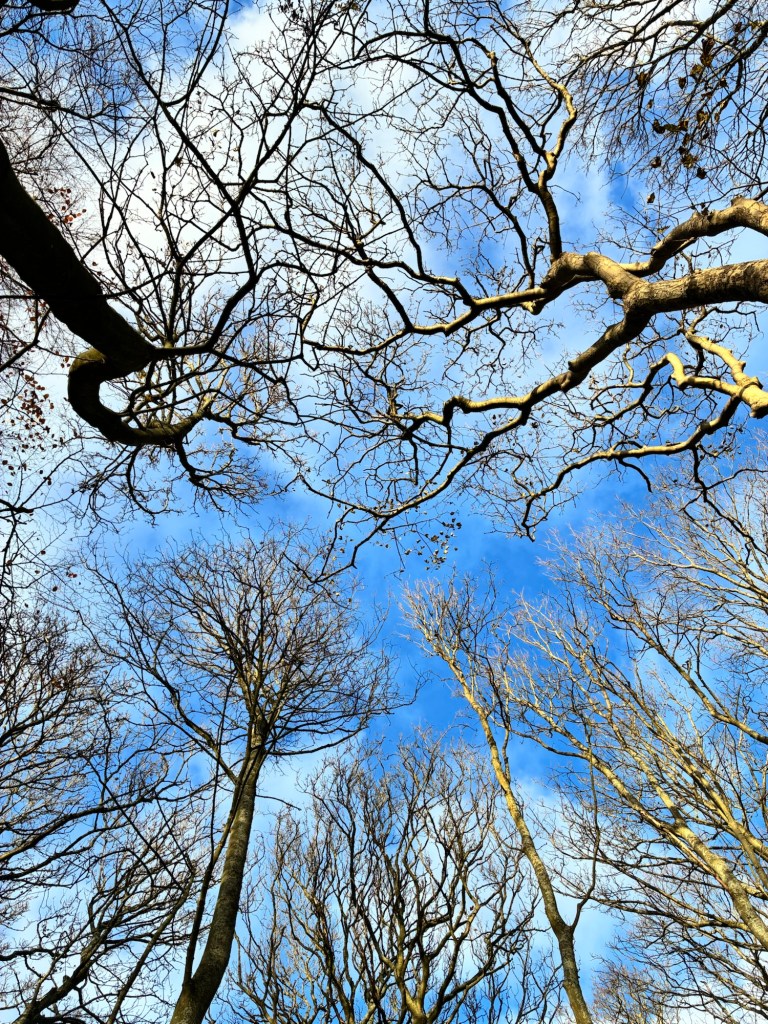
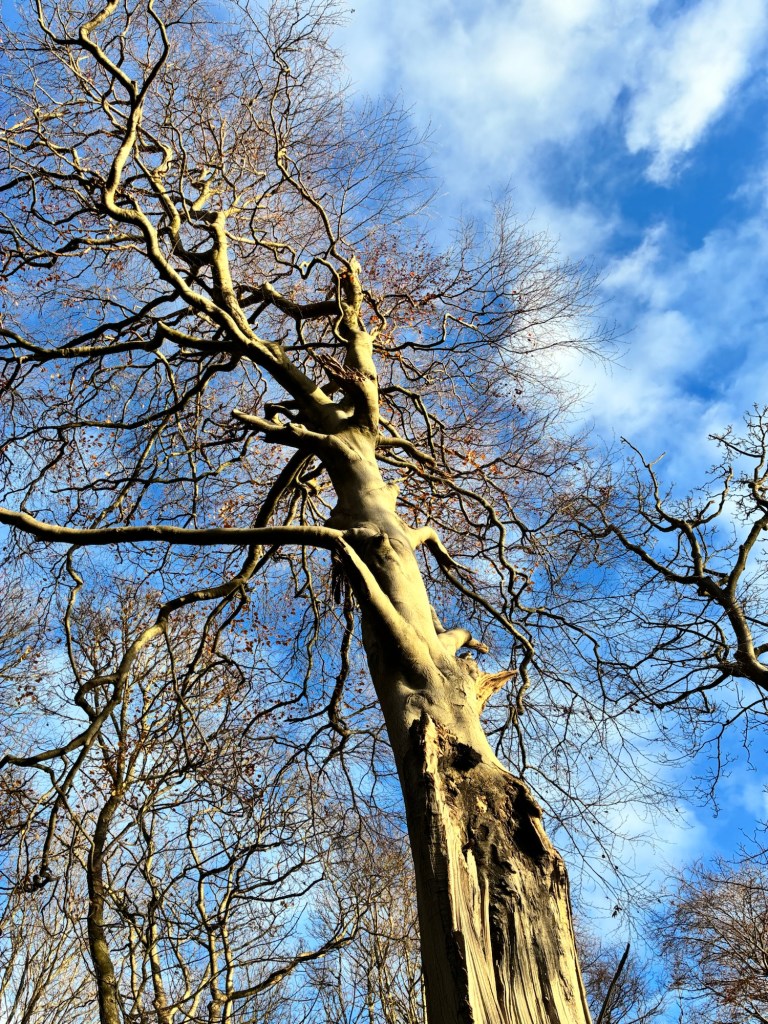
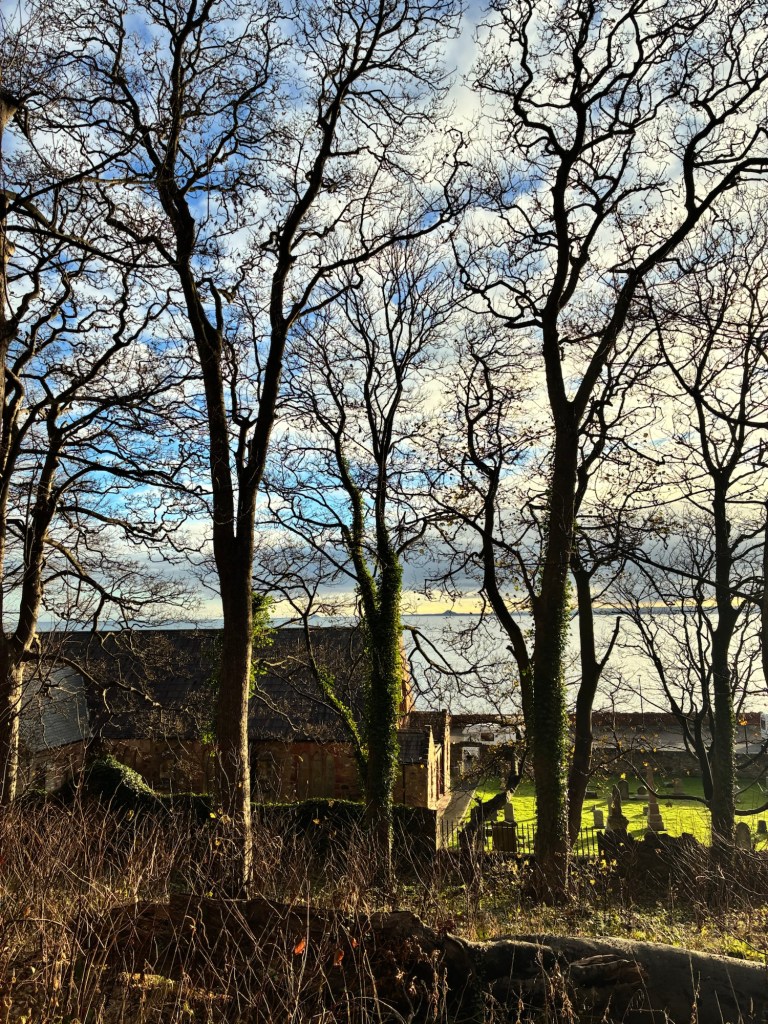
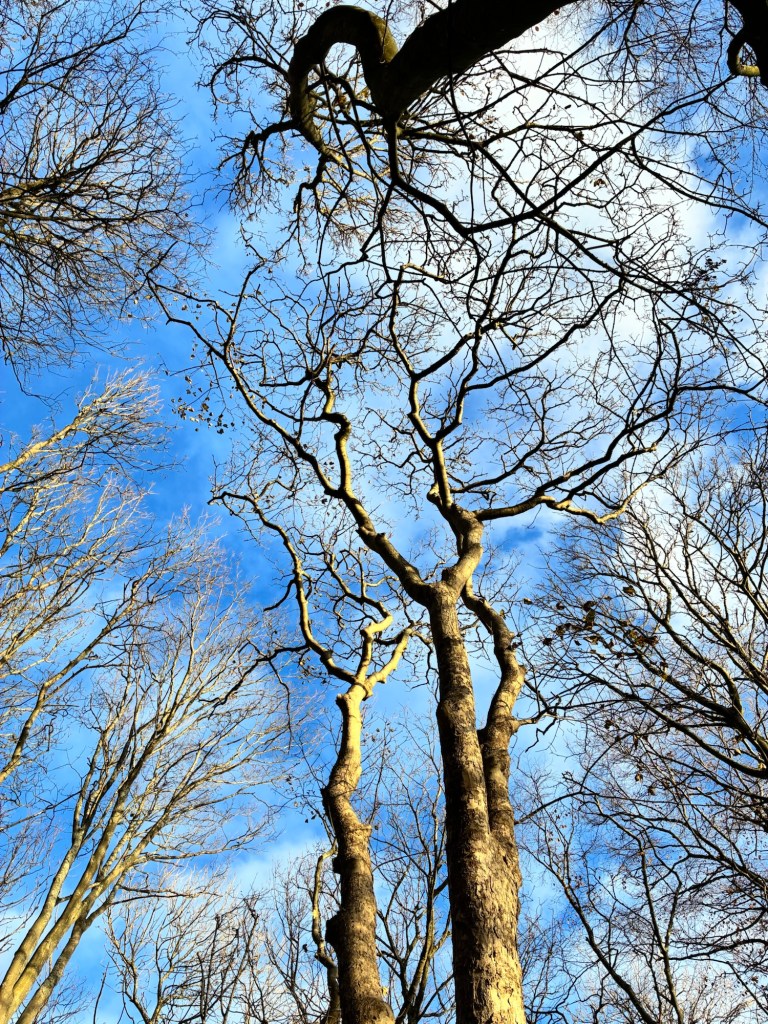
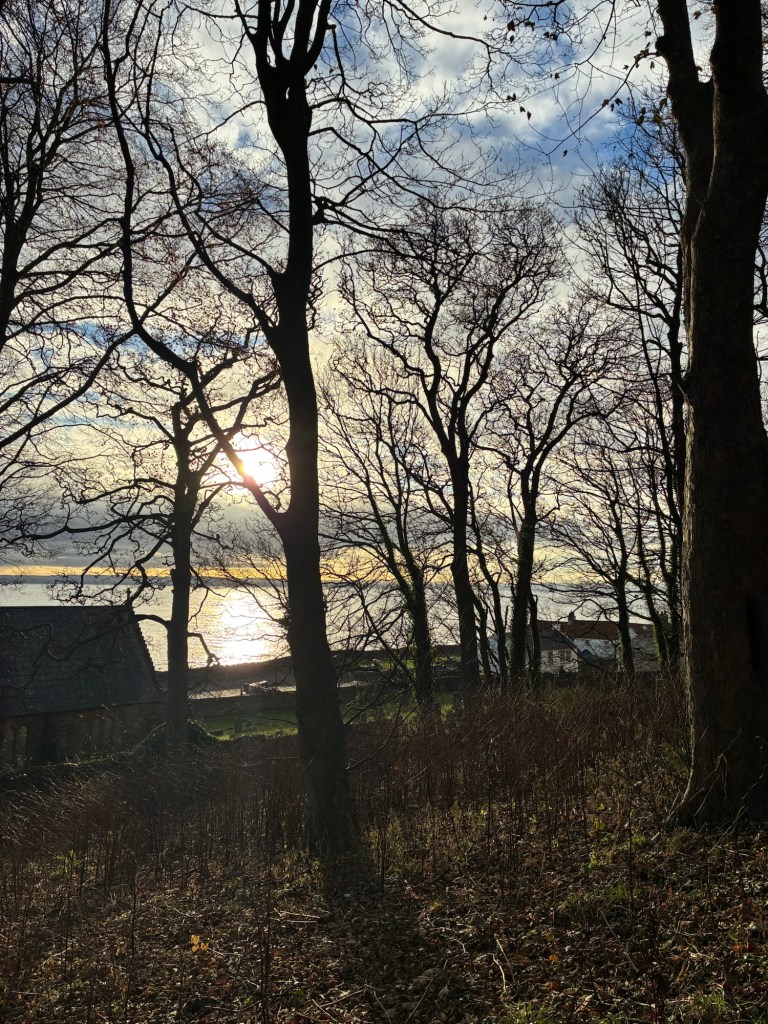
So this morning, I’ve taken a break from PhD writing to tell you about what I’m calling ‘Cormoranting’ a moment to stretch out my wings and rest. I’m currently in the middle of a beautiful ancient woodland in West Wemyss – and I’ve been sitting so quietly a baby wren has been rustling around the earth at my feet. It’s whole body is no bigger than a baby mouse. See if you can spot it…. There’s a close up at the end of this post.
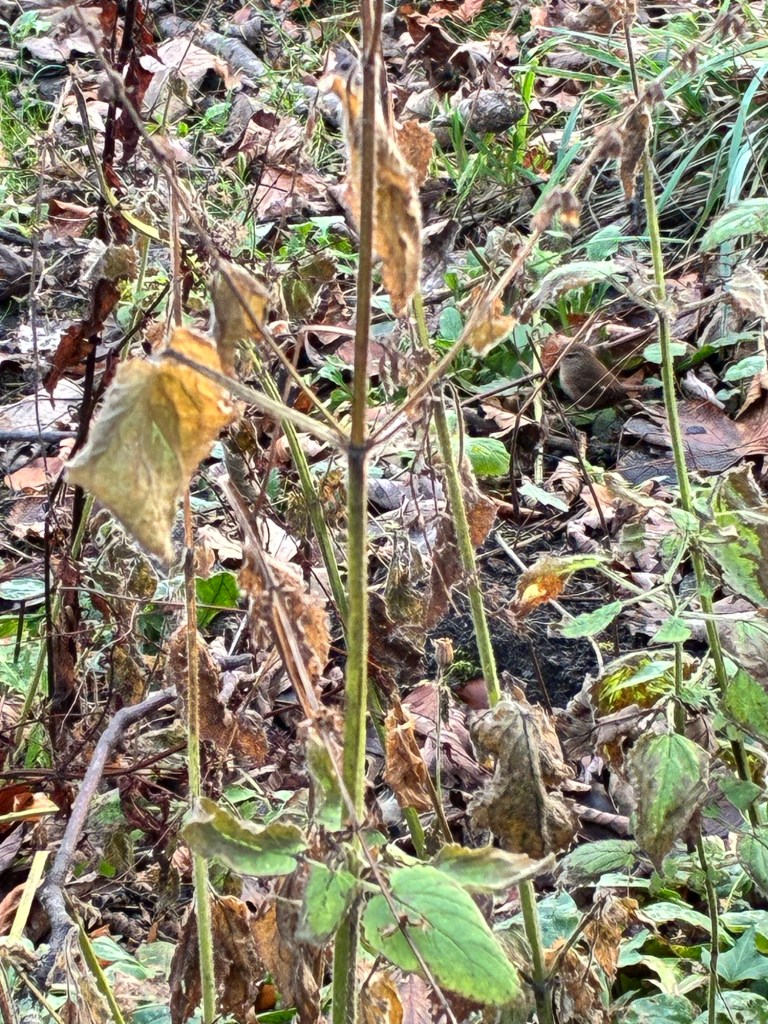
I hope that you’ve enjoyed this post. I also hope that it inspires you to do some Cormoranting. For anyone interested in the spiritual meaning of cormorants you can find some further information here.
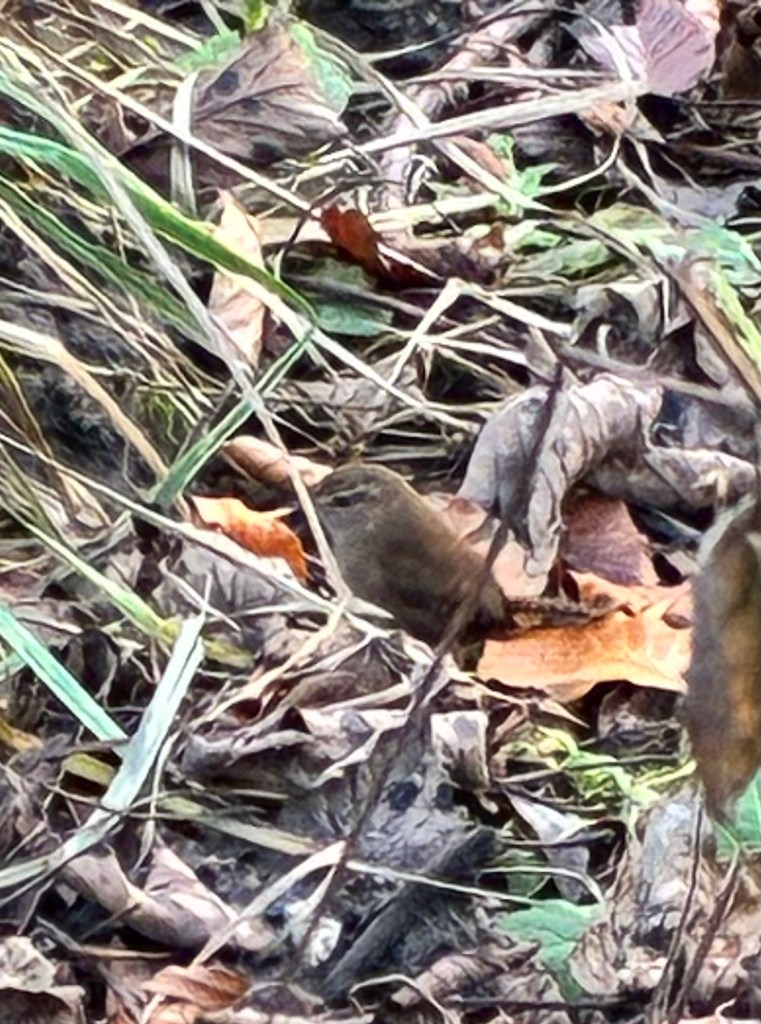
Beautiful wren ❤️
 Adventures from Base Camp